

Sign Up
Thank you for Submitting!
Using Large Language Models (LLMs) like GPT-4 accelerates enterprise productivity, but they also introduce exposure to privacy breaches and regulatory non-compliance. As their adoption grows, establishing rigorous governance frameworks is no longer optional. Every call to an LLM can represent a potential risk vector, especially when sensitive information flows through prompts and outputs. CIOs, IT security leaders, and compliance teams in regulated industries must equip themselves with practical strategies for adding guardrails, enforcing automatic PII redaction, and maintaining audit-ready visibility into every LLM transaction.
In this in-depth guide, we examine the core requirements for secure, policy-compliant LLM deployment, and how CloudNuro AI Custodian uniquely empowers organizations to meet these standards, protecting data while enabling responsible AI adoption.
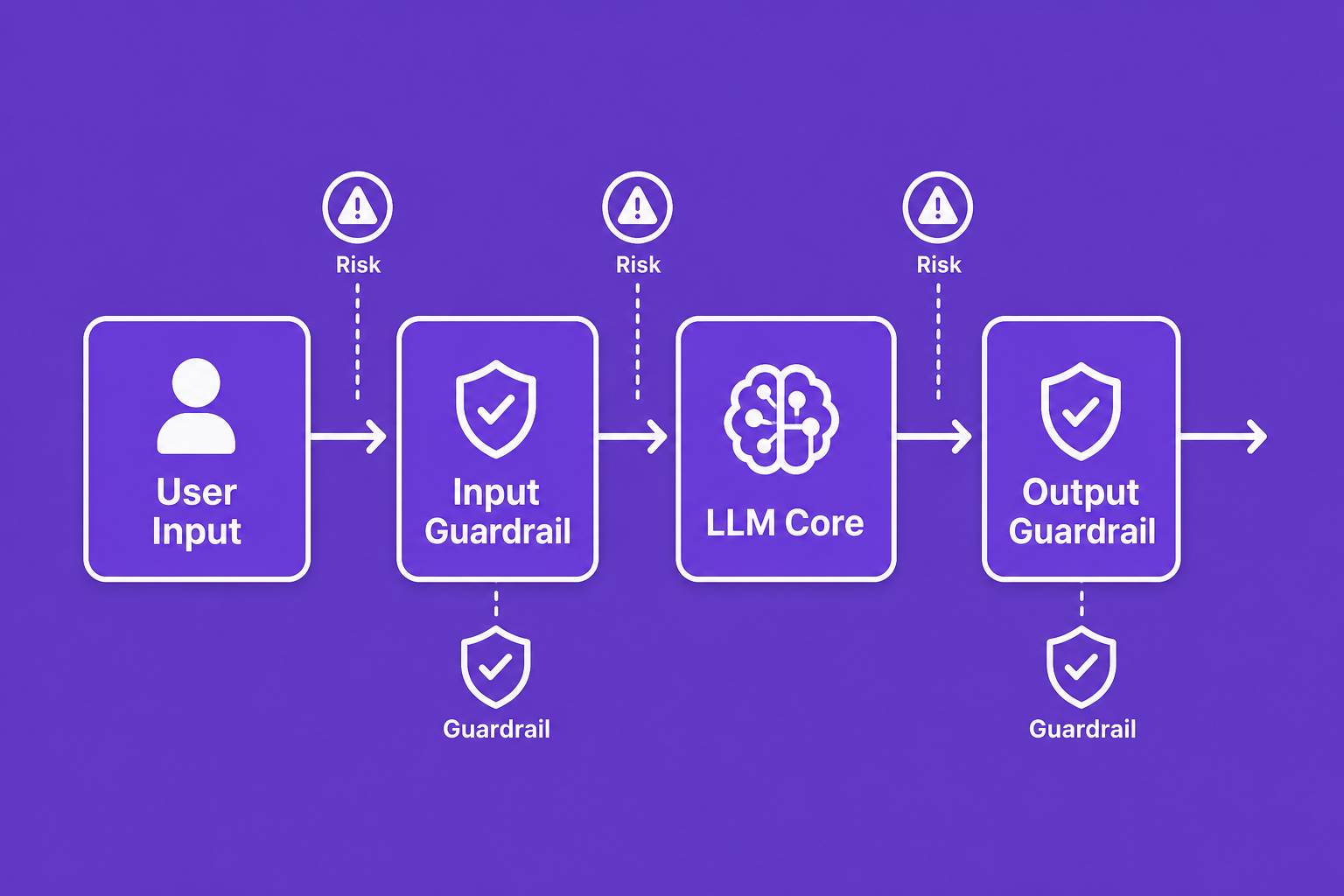
LLMs unlock significant value, but their flexible interaction model allows employees to inadvertently or intentionally share regulated or confidential data. Without strong guardrails, organizations face dramatic risks:
Guardrails are mandatory for regulated industries required to comply with privacy mandates. Despite this, only half of organizations have formal AI guardrails in place. This gap creates urgent challenges for security and governance.
CloudNuro AI Custodian confronts these realities by:
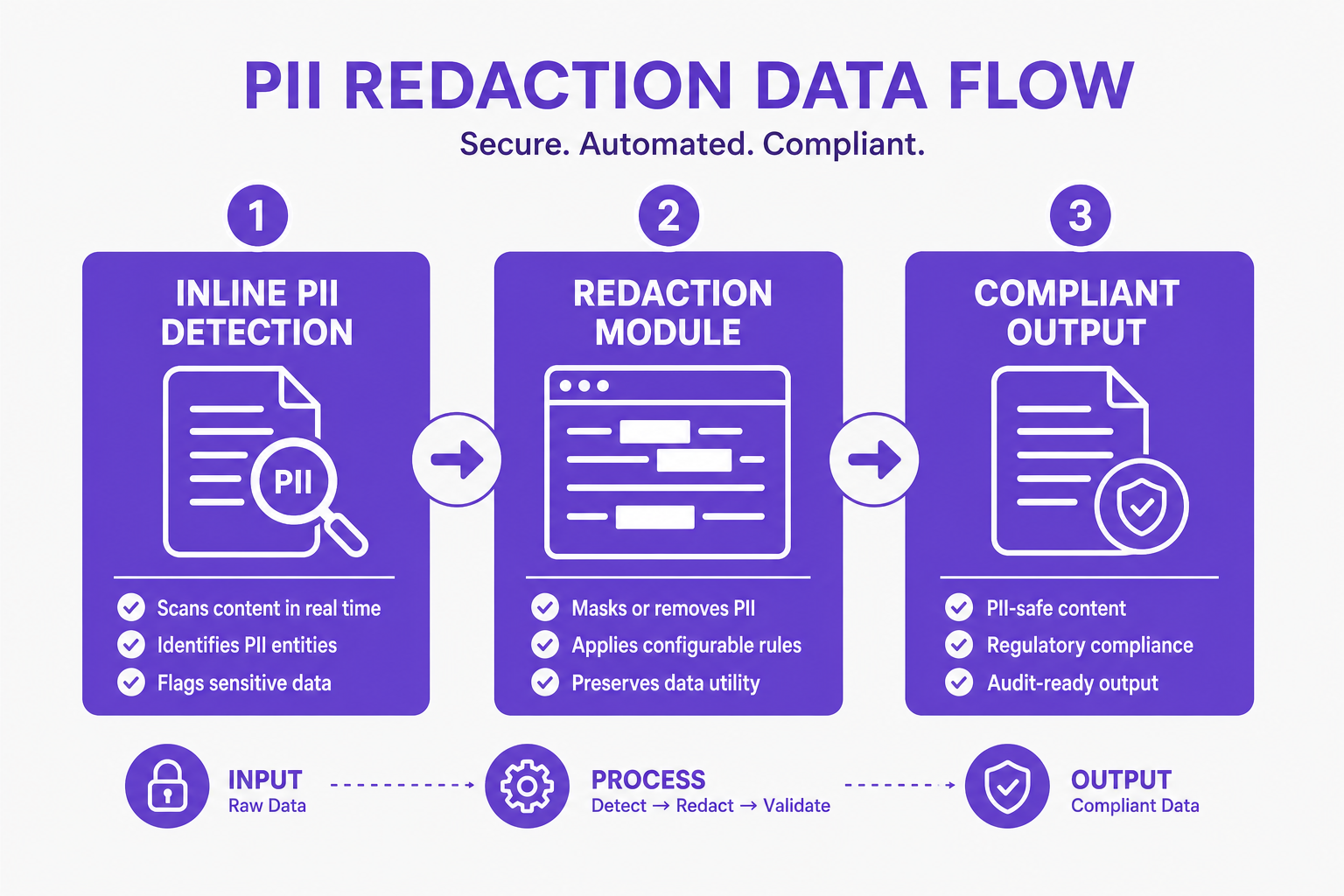
PII redaction has become the default design pattern for organizations prioritizing security and privacy in their AI workflows. With 40% of organizations having experienced an AI-related privacy incident, masking sensitive information before it reaches the LLM is essential.
Best Practices for PII Redaction:
CloudNuro governance architecture automates PII redaction while maintaining user productivity:
Auditability is a first-class requirement for responsible AI. Without clear audit trails, security teams lack both the forensics to investigate incidents and the records to demonstrate regulatory compliance.
What Makes an LLM Audit Trail Effective?
CloudNuro AI Custodian offers:
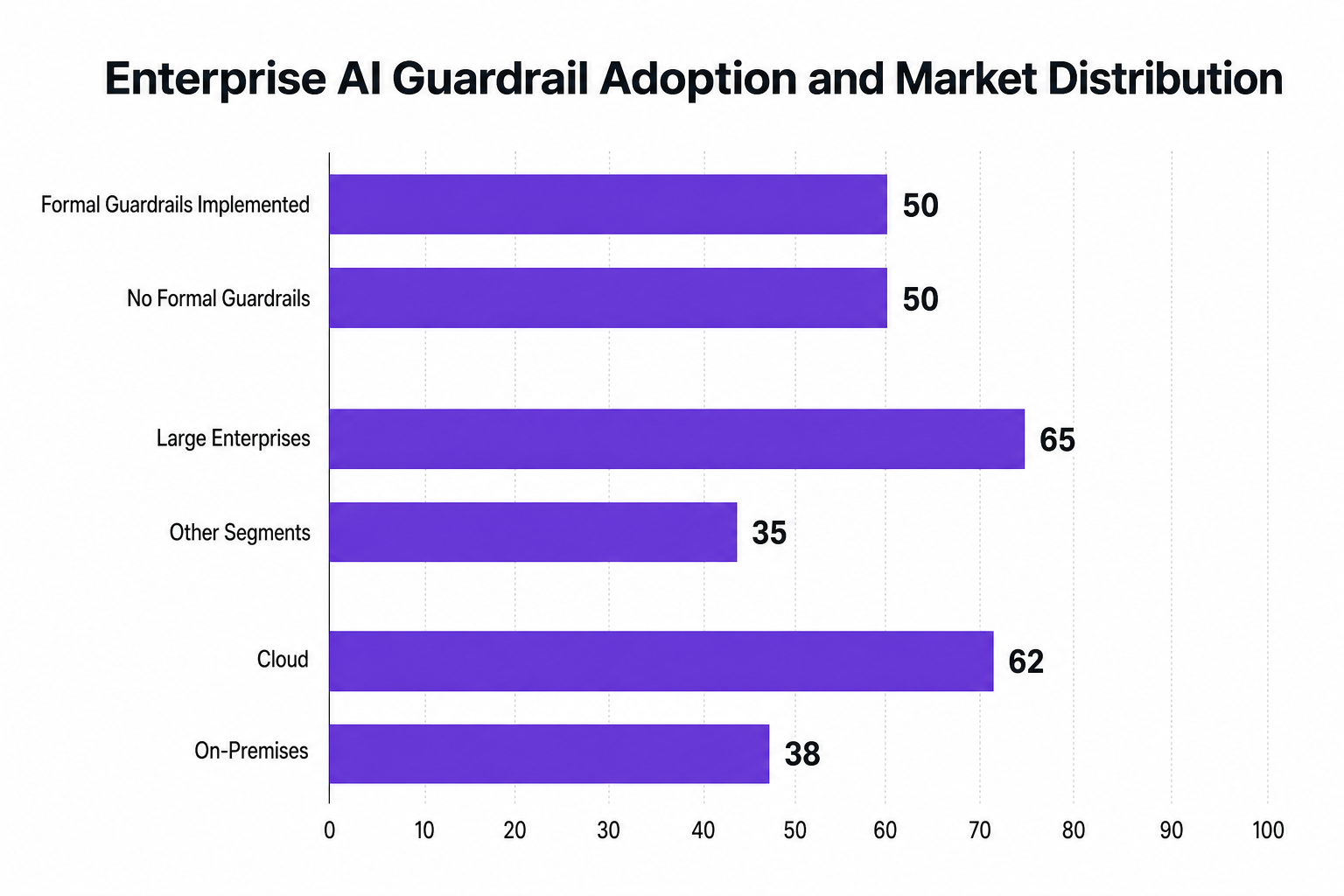
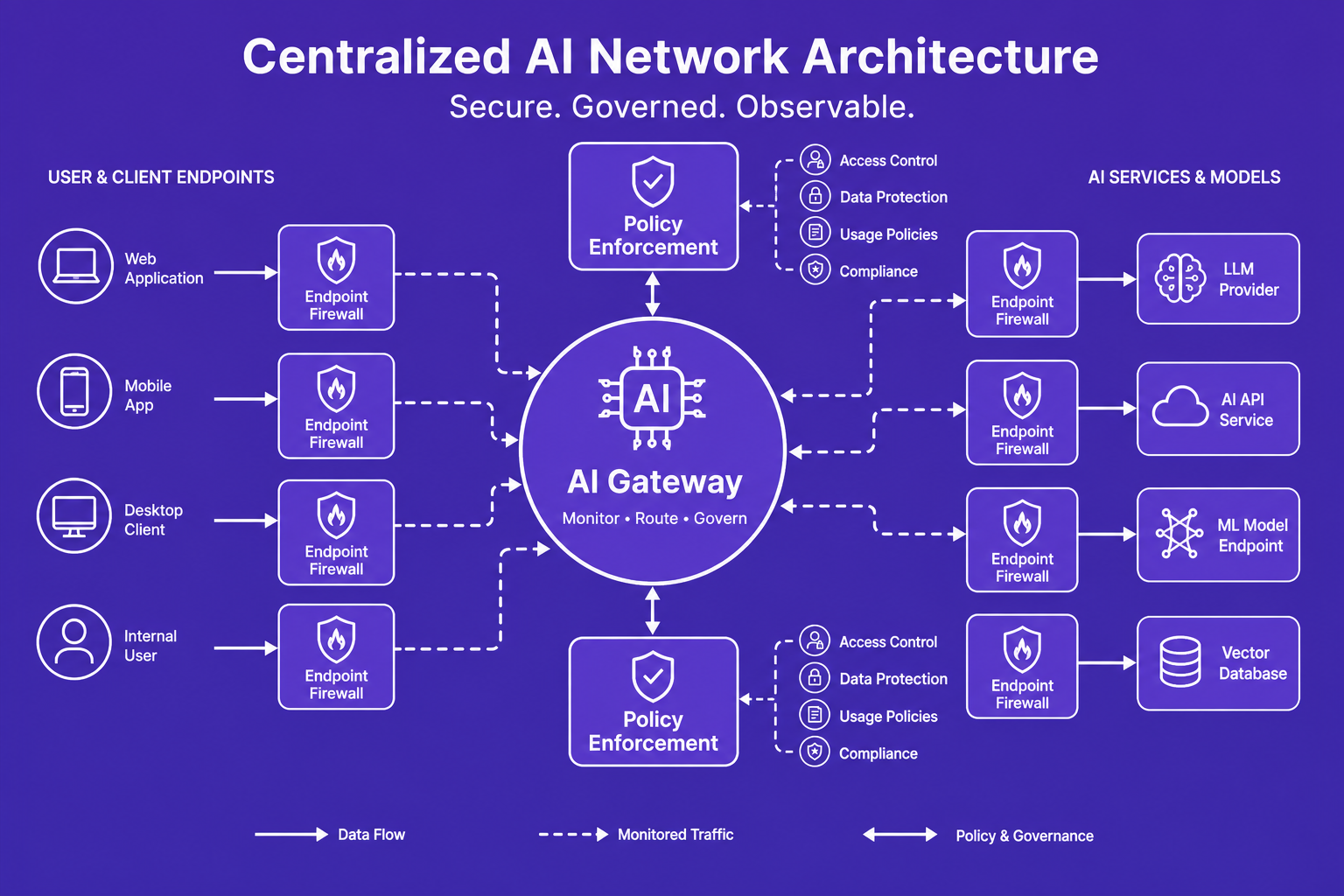
Market leaders increasingly adopt gateway-level controls for LLMs, especially in cloud deployments (covering over 62% of new implementations). This approach allows prompts, outputs, and tool calls across all applications to be inspected and controlled at a centralized point.
Key Capabilities:
CloudNuro delivers on these gateway principles through:
CloudNuro AI Custodian is architected for governance from the start:
Key cloud and enterprise buyers choose CloudNuro because:
What are LLM guardrails and why are they important?
LLM guardrails are automated checks, filters, and policy controls that restrict what data and actions are allowed in every AI workflow. They are critical for regulatory compliance, risk management, and enterprise AI adoption.
How can organizations enforce PII redaction in LLM calls?
By deploying inline input filtering and output scrubbing tools that detect and mask sensitive data before it is processed or displayed. Integration with leading data security solutions automates this enforcement at scale.
What audit trail capabilities should LLM solutions provide?
An ideal LLM audit trail captures only decision metadata (user ID, timestamp, model, redaction actions). It must maintain privacy by avoiding storage of sensitive prompt content, instead tracking enough details for compliance and forensics.
How do guardrails and audit trails support AI policy enforcement?
They provide centralized visibility and automated alerts for violations, helping IT and compliance to rapidly identify, investigate, and remediate risky behavior while continuously demonstrating regulatory adherence.
What best practices help implement LLM data governance?
Focus on end-to-end enforcement, integrate with your data security ecosystem, ensure transparency for all LLM interactions, block unsanctioned apps, and continually monitor and analyze audit logs to refine policy.
Guardrails, PII redaction, and audit trails are the foundation of an enterprise-ready, secure LLM deployment. As the stakes rise and regulatory standards tighten, CloudNuro empowers organizations to retain control and derive value from AI, without exposing themselves to compliance risk.
Get in touch to learn more about how CloudNuro AI Custodian can protect your organization, simplify compliance, and accelerate responsible AI innovation.
Request a no cost, no obligation free assessment —just 15 minutes to savings!
Get StartedUsing Large Language Models (LLMs) like GPT-4 accelerates enterprise productivity, but they also introduce exposure to privacy breaches and regulatory non-compliance. As their adoption grows, establishing rigorous governance frameworks is no longer optional. Every call to an LLM can represent a potential risk vector, especially when sensitive information flows through prompts and outputs. CIOs, IT security leaders, and compliance teams in regulated industries must equip themselves with practical strategies for adding guardrails, enforcing automatic PII redaction, and maintaining audit-ready visibility into every LLM transaction.
In this in-depth guide, we examine the core requirements for secure, policy-compliant LLM deployment, and how CloudNuro AI Custodian uniquely empowers organizations to meet these standards, protecting data while enabling responsible AI adoption.
LLMs unlock significant value, but their flexible interaction model allows employees to inadvertently or intentionally share regulated or confidential data. Without strong guardrails, organizations face dramatic risks:
Guardrails are mandatory for regulated industries required to comply with privacy mandates. Despite this, only half of organizations have formal AI guardrails in place. This gap creates urgent challenges for security and governance.
CloudNuro AI Custodian confronts these realities by:
PII redaction has become the default design pattern for organizations prioritizing security and privacy in their AI workflows. With 40% of organizations having experienced an AI-related privacy incident, masking sensitive information before it reaches the LLM is essential.
Best Practices for PII Redaction:
CloudNuro governance architecture automates PII redaction while maintaining user productivity:
Auditability is a first-class requirement for responsible AI. Without clear audit trails, security teams lack both the forensics to investigate incidents and the records to demonstrate regulatory compliance.
What Makes an LLM Audit Trail Effective?
CloudNuro AI Custodian offers:
Market leaders increasingly adopt gateway-level controls for LLMs, especially in cloud deployments (covering over 62% of new implementations). This approach allows prompts, outputs, and tool calls across all applications to be inspected and controlled at a centralized point.
Key Capabilities:
CloudNuro delivers on these gateway principles through:
CloudNuro AI Custodian is architected for governance from the start:
Key cloud and enterprise buyers choose CloudNuro because:
What are LLM guardrails and why are they important?
LLM guardrails are automated checks, filters, and policy controls that restrict what data and actions are allowed in every AI workflow. They are critical for regulatory compliance, risk management, and enterprise AI adoption.
How can organizations enforce PII redaction in LLM calls?
By deploying inline input filtering and output scrubbing tools that detect and mask sensitive data before it is processed or displayed. Integration with leading data security solutions automates this enforcement at scale.
What audit trail capabilities should LLM solutions provide?
An ideal LLM audit trail captures only decision metadata (user ID, timestamp, model, redaction actions). It must maintain privacy by avoiding storage of sensitive prompt content, instead tracking enough details for compliance and forensics.
How do guardrails and audit trails support AI policy enforcement?
They provide centralized visibility and automated alerts for violations, helping IT and compliance to rapidly identify, investigate, and remediate risky behavior while continuously demonstrating regulatory adherence.
What best practices help implement LLM data governance?
Focus on end-to-end enforcement, integrate with your data security ecosystem, ensure transparency for all LLM interactions, block unsanctioned apps, and continually monitor and analyze audit logs to refine policy.
Guardrails, PII redaction, and audit trails are the foundation of an enterprise-ready, secure LLM deployment. As the stakes rise and regulatory standards tighten, CloudNuro empowers organizations to retain control and derive value from AI, without exposing themselves to compliance risk.
Get in touch to learn more about how CloudNuro AI Custodian can protect your organization, simplify compliance, and accelerate responsible AI innovation.
Request a no cost, no obligation free assessment - just 15 minutes to savings!
Get StartedWe're offering complimentary ServiceNow license assessments to only 25 enterprises this quarter who want to unlock immediate savings without disrupting operations.
Get Free AssessmentGet Started




CloudNuro Corp
1755 Park St. Suite 207
Naperville, IL 60563
Phone : +1-630-277-9470
Email: info@cloudnuro.com




.webp)

Recognized Leader in SaaS Management Platforms by Info-Tech SoftwareReviews


.svg)