

Sign Up
Thank you for Submitting!

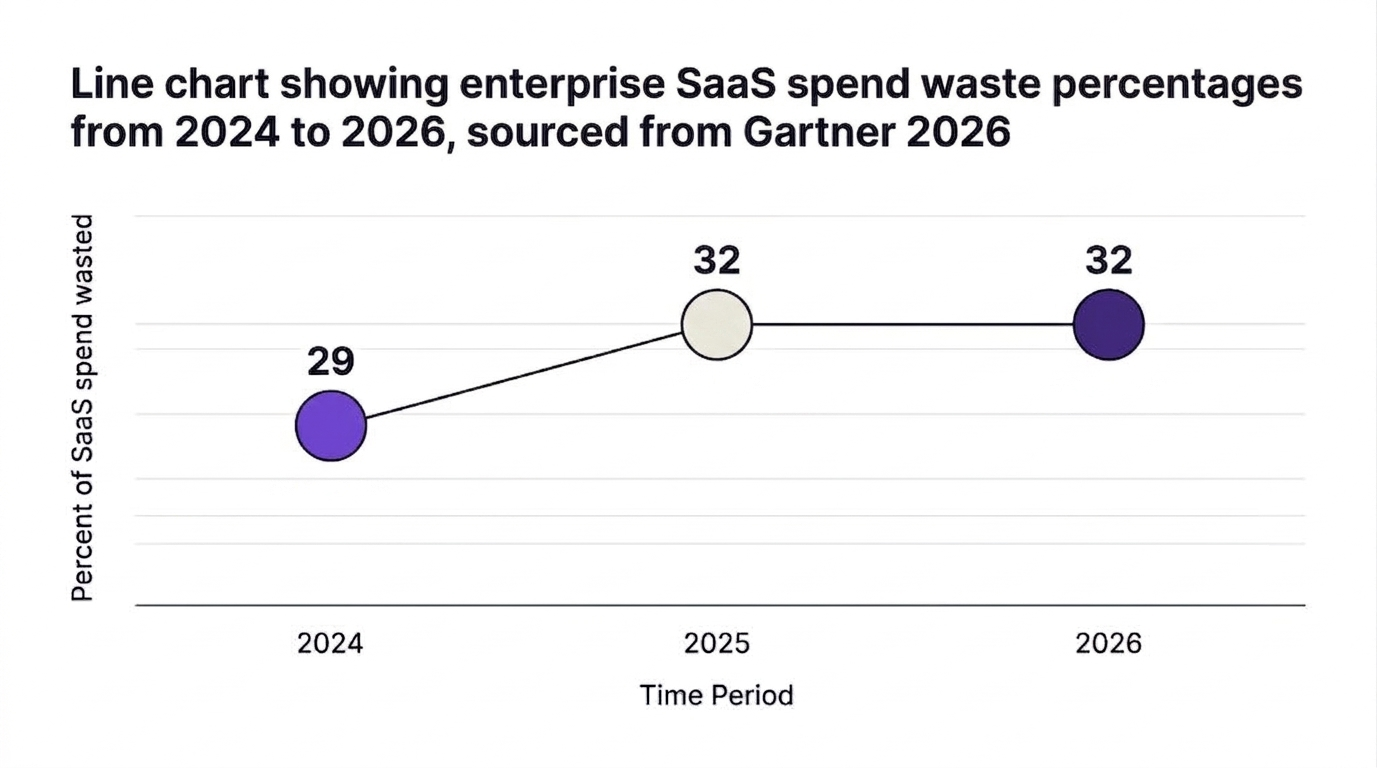
Enterprises are pouring millions into premium SaaS tiers every year, while large portions of those features sit untouched. License management software that includes feature utilization analysis has become a financial control, not a nice to have. According to Gartner (2026), enterprises waste up to 32% of their SaaS spend on underutilized features and unused licenses.
This post explains how feature utilization analysis works, why premium tiers quietly drain budgets, and how modern license management platforms and governance practices convert that waste into savings. You will see how CloudNuro operationalizes these ideas so CIOs and IT leaders can act in weeks, not years.
Feature utilization analysis is the practice of measuring which specific SaaS features and modules users actually engage with, how often, and in what contexts. Instead of only counting active users, you examine:
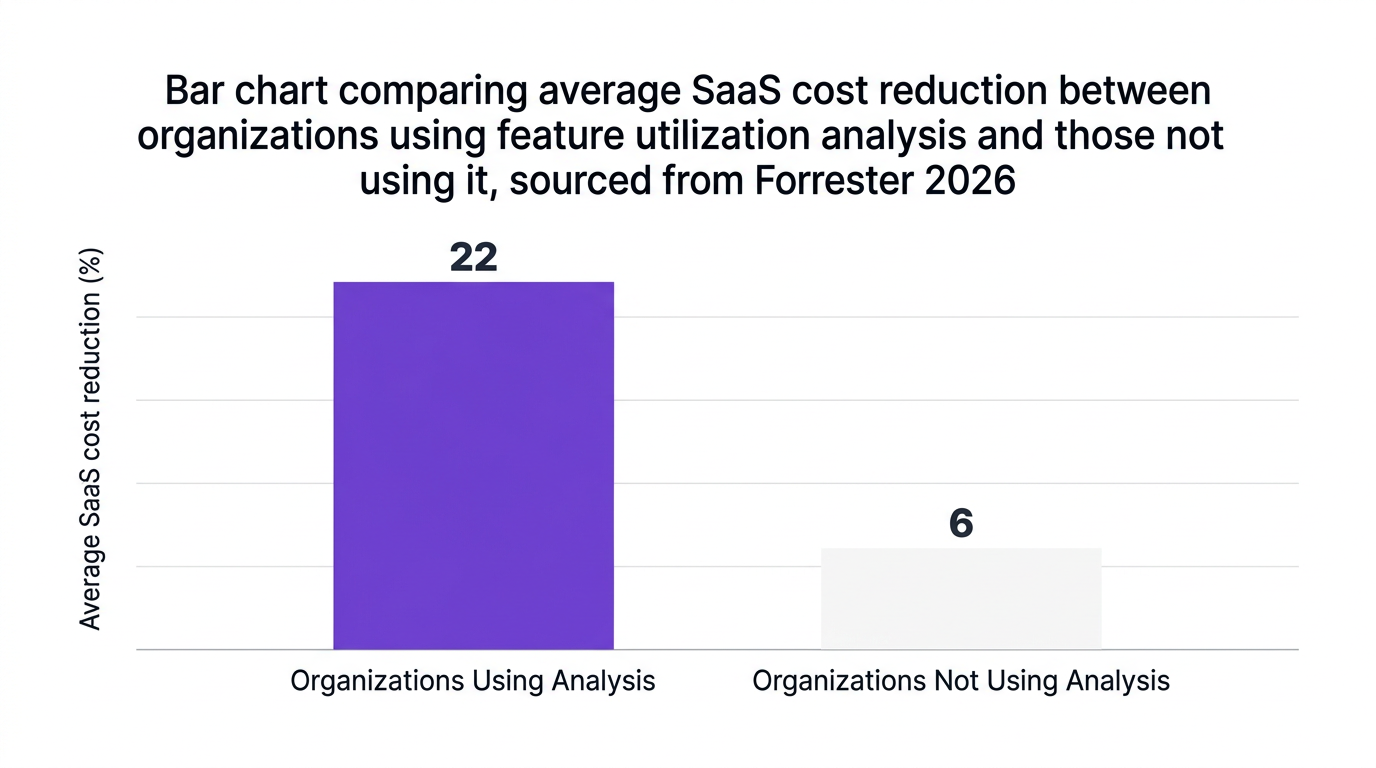
A Forrester 2026 study found that 65% of organizations using feature utilization analysis report an average 22% reduction in annual SaaS costs. As a SaaS Optimization Lead at Gartner, notes, "Visibility into actual feature use is the missing link in true SaaS cost governance for enterprises."
At its core, feature utilization analysis connects three data sets:
When those three are aligned and automated through a robust license management system, you avoid paying for premium SaaS tiers that add little business value.
Enterprise SaaS portfolios grow like an uncontrolled garden. New apps and add ons appear to solve urgent needs, but pruning rarely happens with the same urgency. IDC’s 2026 research found that 54% of CIOs cite lack of feature adoption visibility as the main barrier to SaaS cost optimization.
Several patterns drive overspend on premium SaaS tiers:
Automated utilization analytics have become a key differentiator in software license management tools. As one Forrester VP of IT Operations put it, "Automated utilization analytics are a key differentiator in license management; without them, enterprises are flying blind on software spend."

A useful analogy: most organizations are paying for business class seats for thousands of employees, while only a small percentage ever leave the economy cabin. Feature utilization analysis tells you exactly who is actually sitting in business class and who should be rebooked.
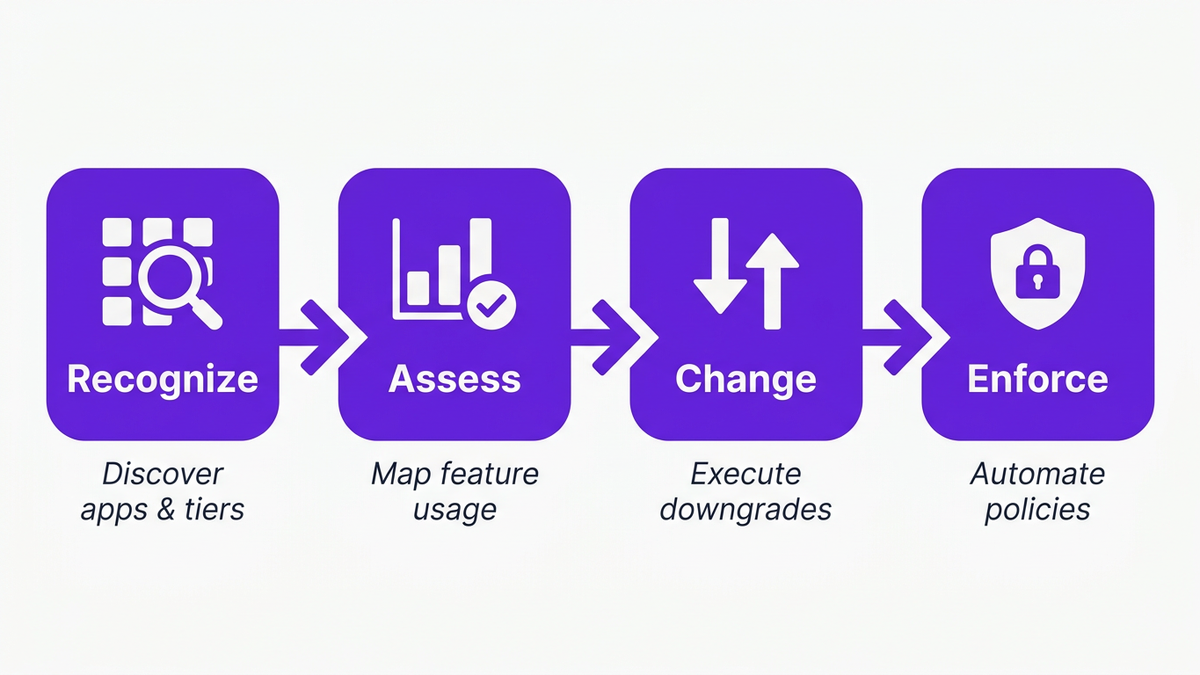
To make this concrete for CIOs and procurement leaders, use a repeatable cycle. Think of it as the RACE framework for SaaS feature optimization:
The first failure point in software license management solutions is an incomplete inventory. You cannot optimize what you cannot see.
Your Recognize step should include:
Gartner (2026) notes that modern, AI enabled licensing software solutions with real time discovery reduce manual inventory work by up to 60%. Without this foundation, any feature analysis will be partial and inaccurate.
Once inventory is stable, the Assess phase uses SaaS utilization analytics to determine which features justify premium pricing. Strong sw license management capabilities will:
A typical segmentation might look like:
As Deloitte CIO commented in 2026, "Switching from static license inventories to real time usage scoring unlocks significant cost efficiencies."
Analysis only pays off when you act. The Change phase is where saas cost optimization becomes tangible.
Practical moves include:
McKinsey (2026) found that automated license utilization solutions reduce premium tier spending by an average of 2.3 million dollars per enterprise annually. The key is to script and automate these changes through your license management tool, not handle them one spreadsheet at a time.
Cost optimization is not a one time project. Features, teams, and vendors change constantly.
The Enforce step closes the loop by:
This is where automated SaaS governance intersects with license compliance management. Policy driven automation prevents your environment from drifting back into waste.
Feature utilization analysis directly supports SaaS spend reduction across several dimensions of SaaS and cloud cost optimization.
When you downgrade underused premium tiers and remove true shelfware, savings can be dramatic. A 2026 Accenture study found that SaaS downgrading driven by usage analytics enabled 6.9 billion dollars in global enterprise savings across 2025 and 2026.
Case evidence aligns with this:
The pattern is consistent. Organizations that combine a strong license management solution with feature utilization analytics can usually achieve double digit reductions in software license spend within 12 months.
Overspending is not the only risk. Poor IT asset management of SaaS licenses often hides:
By tying feature usage to policies and audit logs, feature utilization analysis supports license compliance management. This is especially important for highly regulated sectors like healthcare, finance, and government, where regulators expect traceability across your software asset management program.
Data driven insight into actual feature adoption strengthens your hand with vendors.
You can:
Vendors may resist, arguing that higher tiers are needed for future growth or resilience. This is a valid concern. A balanced approach uses license optimization tools to model several scenarios, preserving a reasonable buffer for growth while still harvesting significant savings.
A nuanced license management strategy recognizes that not every premium tier is wasteful.
Two common counterarguments include:
The answer is not to blindly cut all high tier licenses. Instead, classify premium features into three buckets:
Feature utilization analysis, coupled with this classification, helps you preserve premium access where it truly matters and reduce it elsewhere. In other words, you shift from blanket subscription management to precise, risk aware optimization.
CloudNuro was built for CIOs and IT leaders who want saas cost optimization and governance in one platform. Its architecture turns the theory of feature utilization analysis into a practical, automated discipline.
CloudNuro’s Microsoft 365 Custodian and Salesforce Custodian modules provide granular telemetry on feature engagement, not just sign ins.
These modules:
This depth transforms software license management tools from static inventory systems into active optimization engines.
CloudNuro AI Custodian uses machine learning to correlate license data, utilization, security posture, and policy.
The platform:
Automated workflows then update licenses in connected SaaS systems, so you are not relying on manual spreadsheets or tickets to manage license allocations.
With Unified Cloud Custodian and ServiceNow Custodian, CloudNuro aggregates:
This provides a centralized license management system for IT and procurement teams to orchestrate software license management solutions at scale.
Critically, CloudNuro is SOC 2 Type II certified, which gives risk and compliance leaders confidence that automated SaaS governance will stand up to audits.
Based on industry data and CloudNuro customer outcomes, enterprises commonly achieve:
With 15 minute setup and measurable insights in under 24 hours, CloudNuro turns feature utilization analysis from a theoretical best practice into an operational capability.
Feature utilization analysis is the process of tracking which specific features and modules users actually engage with in your SaaS applications. Instead of just counting logins, you measure depth and frequency of use for each premium capability.
Integrated into license management software, this data shows where premium tiers are justified, where downgrades are safe, and where licenses should be reclaimed entirely.
By revealing gaps between what you pay for and what users actually use, feature utilization analysis highlights:
Automating downgrades and reallocations through a strong license management tool typically leads to double digit SaaS spend reduction. Forrester (2026) reports an average 22% annual SaaS cost reduction among organizations that systematically apply this approach.
For enterprises, software license management software should include:
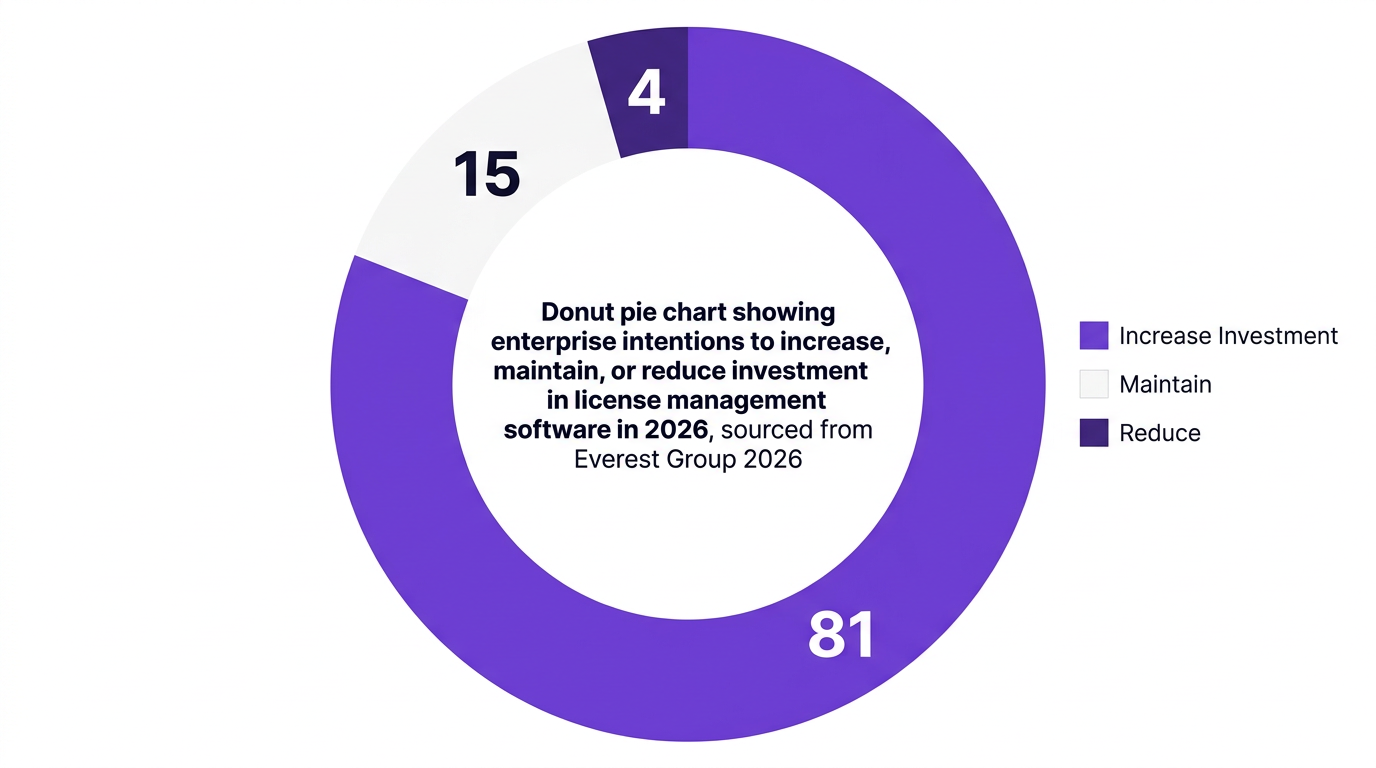
Platforms like CloudNuro that combine these capabilities with AI driven insights provide the strongest foundation for long term saas cost optimization.
Quarterly reviews are a practical baseline for most enterprises. However, any license management solution with automation should also:
This mix of continuous monitoring and periodic governance reviews keeps IT asset management aligned with actual business needs.
Aggressive cuts without context can frustrate users and stall innovation. To avoid this, combine utilization data with:
Use your licence management software to preserve premium access for critical and strategic use cases, while trimming discretionary usage. This approach keeps productivity and innovation intact while still reducing software license spend.
CloudNuro is a leader in Enterprise SaaS Management Platforms, giving enterprises unmatched visibility, governance, and cost optimization.
We are proud to be recognized twice in a row by Gartner in the SaaS Management Platforms and named a Leader in the Info-Tech SoftwareReviews Data Quadrant.
Trusted by global enterprises and government agencies, CloudNuro provides centralized SaaS inventory, license optimization, and renewal management. With a 15-minute setup and measurable results in under 24 hours, CloudNuro gives IT teams a fast path to value.
Request a Demo | Get Free Savings Assessment | Explore Product
Request a no cost, no obligation free assessment —just 15 minutes to savings!
Get StartedEnterprises are pouring millions into premium SaaS tiers every year, while large portions of those features sit untouched. License management software that includes feature utilization analysis has become a financial control, not a nice to have. According to Gartner (2026), enterprises waste up to 32% of their SaaS spend on underutilized features and unused licenses.
This post explains how feature utilization analysis works, why premium tiers quietly drain budgets, and how modern license management platforms and governance practices convert that waste into savings. You will see how CloudNuro operationalizes these ideas so CIOs and IT leaders can act in weeks, not years.
Feature utilization analysis is the practice of measuring which specific SaaS features and modules users actually engage with, how often, and in what contexts. Instead of only counting active users, you examine:
A Forrester 2026 study found that 65% of organizations using feature utilization analysis report an average 22% reduction in annual SaaS costs. As a SaaS Optimization Lead at Gartner, notes, "Visibility into actual feature use is the missing link in true SaaS cost governance for enterprises."
At its core, feature utilization analysis connects three data sets:
When those three are aligned and automated through a robust license management system, you avoid paying for premium SaaS tiers that add little business value.
Enterprise SaaS portfolios grow like an uncontrolled garden. New apps and add ons appear to solve urgent needs, but pruning rarely happens with the same urgency. IDC’s 2026 research found that 54% of CIOs cite lack of feature adoption visibility as the main barrier to SaaS cost optimization.
Several patterns drive overspend on premium SaaS tiers:
Automated utilization analytics have become a key differentiator in software license management tools. As one Forrester VP of IT Operations put it, "Automated utilization analytics are a key differentiator in license management; without them, enterprises are flying blind on software spend."
A useful analogy: most organizations are paying for business class seats for thousands of employees, while only a small percentage ever leave the economy cabin. Feature utilization analysis tells you exactly who is actually sitting in business class and who should be rebooked.
To make this concrete for CIOs and procurement leaders, use a repeatable cycle. Think of it as the RACE framework for SaaS feature optimization:
The first failure point in software license management solutions is an incomplete inventory. You cannot optimize what you cannot see.
Your Recognize step should include:
Gartner (2026) notes that modern, AI enabled licensing software solutions with real time discovery reduce manual inventory work by up to 60%. Without this foundation, any feature analysis will be partial and inaccurate.
Once inventory is stable, the Assess phase uses SaaS utilization analytics to determine which features justify premium pricing. Strong sw license management capabilities will:
A typical segmentation might look like:
As Deloitte CIO commented in 2026, "Switching from static license inventories to real time usage scoring unlocks significant cost efficiencies."
Analysis only pays off when you act. The Change phase is where saas cost optimization becomes tangible.
Practical moves include:
McKinsey (2026) found that automated license utilization solutions reduce premium tier spending by an average of 2.3 million dollars per enterprise annually. The key is to script and automate these changes through your license management tool, not handle them one spreadsheet at a time.
Cost optimization is not a one time project. Features, teams, and vendors change constantly.
The Enforce step closes the loop by:
This is where automated SaaS governance intersects with license compliance management. Policy driven automation prevents your environment from drifting back into waste.
Feature utilization analysis directly supports SaaS spend reduction across several dimensions of SaaS and cloud cost optimization.
When you downgrade underused premium tiers and remove true shelfware, savings can be dramatic. A 2026 Accenture study found that SaaS downgrading driven by usage analytics enabled 6.9 billion dollars in global enterprise savings across 2025 and 2026.
Case evidence aligns with this:
The pattern is consistent. Organizations that combine a strong license management solution with feature utilization analytics can usually achieve double digit reductions in software license spend within 12 months.
Overspending is not the only risk. Poor IT asset management of SaaS licenses often hides:
By tying feature usage to policies and audit logs, feature utilization analysis supports license compliance management. This is especially important for highly regulated sectors like healthcare, finance, and government, where regulators expect traceability across your software asset management program.
Data driven insight into actual feature adoption strengthens your hand with vendors.
You can:
Vendors may resist, arguing that higher tiers are needed for future growth or resilience. This is a valid concern. A balanced approach uses license optimization tools to model several scenarios, preserving a reasonable buffer for growth while still harvesting significant savings.
A nuanced license management strategy recognizes that not every premium tier is wasteful.
Two common counterarguments include:
The answer is not to blindly cut all high tier licenses. Instead, classify premium features into three buckets:
Feature utilization analysis, coupled with this classification, helps you preserve premium access where it truly matters and reduce it elsewhere. In other words, you shift from blanket subscription management to precise, risk aware optimization.
CloudNuro was built for CIOs and IT leaders who want saas cost optimization and governance in one platform. Its architecture turns the theory of feature utilization analysis into a practical, automated discipline.
CloudNuro’s Microsoft 365 Custodian and Salesforce Custodian modules provide granular telemetry on feature engagement, not just sign ins.
These modules:
This depth transforms software license management tools from static inventory systems into active optimization engines.
CloudNuro AI Custodian uses machine learning to correlate license data, utilization, security posture, and policy.
The platform:
Automated workflows then update licenses in connected SaaS systems, so you are not relying on manual spreadsheets or tickets to manage license allocations.
With Unified Cloud Custodian and ServiceNow Custodian, CloudNuro aggregates:
This provides a centralized license management system for IT and procurement teams to orchestrate software license management solutions at scale.
Critically, CloudNuro is SOC 2 Type II certified, which gives risk and compliance leaders confidence that automated SaaS governance will stand up to audits.
Based on industry data and CloudNuro customer outcomes, enterprises commonly achieve:
With 15 minute setup and measurable insights in under 24 hours, CloudNuro turns feature utilization analysis from a theoretical best practice into an operational capability.
Feature utilization analysis is the process of tracking which specific features and modules users actually engage with in your SaaS applications. Instead of just counting logins, you measure depth and frequency of use for each premium capability.
Integrated into license management software, this data shows where premium tiers are justified, where downgrades are safe, and where licenses should be reclaimed entirely.
By revealing gaps between what you pay for and what users actually use, feature utilization analysis highlights:
Automating downgrades and reallocations through a strong license management tool typically leads to double digit SaaS spend reduction. Forrester (2026) reports an average 22% annual SaaS cost reduction among organizations that systematically apply this approach.
For enterprises, software license management software should include:
Platforms like CloudNuro that combine these capabilities with AI driven insights provide the strongest foundation for long term saas cost optimization.
Quarterly reviews are a practical baseline for most enterprises. However, any license management solution with automation should also:
This mix of continuous monitoring and periodic governance reviews keeps IT asset management aligned with actual business needs.
Aggressive cuts without context can frustrate users and stall innovation. To avoid this, combine utilization data with:
Use your licence management software to preserve premium access for critical and strategic use cases, while trimming discretionary usage. This approach keeps productivity and innovation intact while still reducing software license spend.
CloudNuro is a leader in Enterprise SaaS Management Platforms, giving enterprises unmatched visibility, governance, and cost optimization.
We are proud to be recognized twice in a row by Gartner in the SaaS Management Platforms and named a Leader in the Info-Tech SoftwareReviews Data Quadrant.
Trusted by global enterprises and government agencies, CloudNuro provides centralized SaaS inventory, license optimization, and renewal management. With a 15-minute setup and measurable results in under 24 hours, CloudNuro gives IT teams a fast path to value.
Request a Demo | Get Free Savings Assessment | Explore Product
Request a no cost, no obligation free assessment - just 15 minutes to savings!
Get StartedWe're offering complimentary ServiceNow license assessments to only 25 enterprises this quarter who want to unlock immediate savings without disrupting operations.
Get Free AssessmentGet Started




CloudNuro Corp
1755 Park St. Suite 207
Naperville, IL 60563
Phone : +1-630-277-9470
Email: info@cloudnuro.com





.webp)

Recognized Leader in SaaS Management Platforms by Info-Tech SoftwareReviews


.png)
.svg)