
Should You Lock In Current M365 Pricing Before July 1, 2026? A Renewal Guide

Originally Published:
April 10, 2026
Last Updated:
April 10, 2026
7

Introduction: Racing the Clock to the July 2026 Deadline

Microsoft has announced a significant price increase of 9-25% across various Microsoft 365 (M365) plans worldwide, effective July 1, 2026 (Microsoft, 2024). For enterprise IT leaders, the choice is stark: renew early to lock in current, lower rates, or risk budget shocks and procurement headaches after the new pricing takes effect.

Flat illustration of a SaaS license management dashboard showing Microsoft 365 license utilization bars and a July 2026 renewal date indicator in CloudNuro brand colors

The stakes are high. Over 90% of Fortune 500 companies now rely on Microsoft 365, underscoring its role as critical SaaS infrastructure (Microsoft, 2024). However, research reveals that most enterprises leave substantial money on the table during renewal—due to missed deadlines, suboptimal license allocation, and a lack of pricing visibility.

The New Microsoft 365 Pricing Reality

  • 9–25% price increase across Microsoft 365 plans worldwide effective July 1, 2026.
  • Most enterprise agreements and volume licensing contracts are structured as multi-year deals, which means timing your renewal correctly can lock in lower legacy rates now.

Key Statistics:

  • 73% of enterprises lack real-time visibility into SaaS usage and spend (Flexera, 2023).
  • License waste due to overprovisioning and unused seats averages 30% in M365 deployments (Gartner, 2023).
  • 64% of organizations missed at least one SaaS renewal deadline in the past year (Blissfully SaaS Trends, 2023).

Why Lock In Now? Cost Certainty and Budget Protection

"Locking in Microsoft 365 pricing ahead of scheduled price increases is one of the most effective tactics for budgeting predictability in large enterprises."
– Wes Miller, Directions on Microsoft, 2024
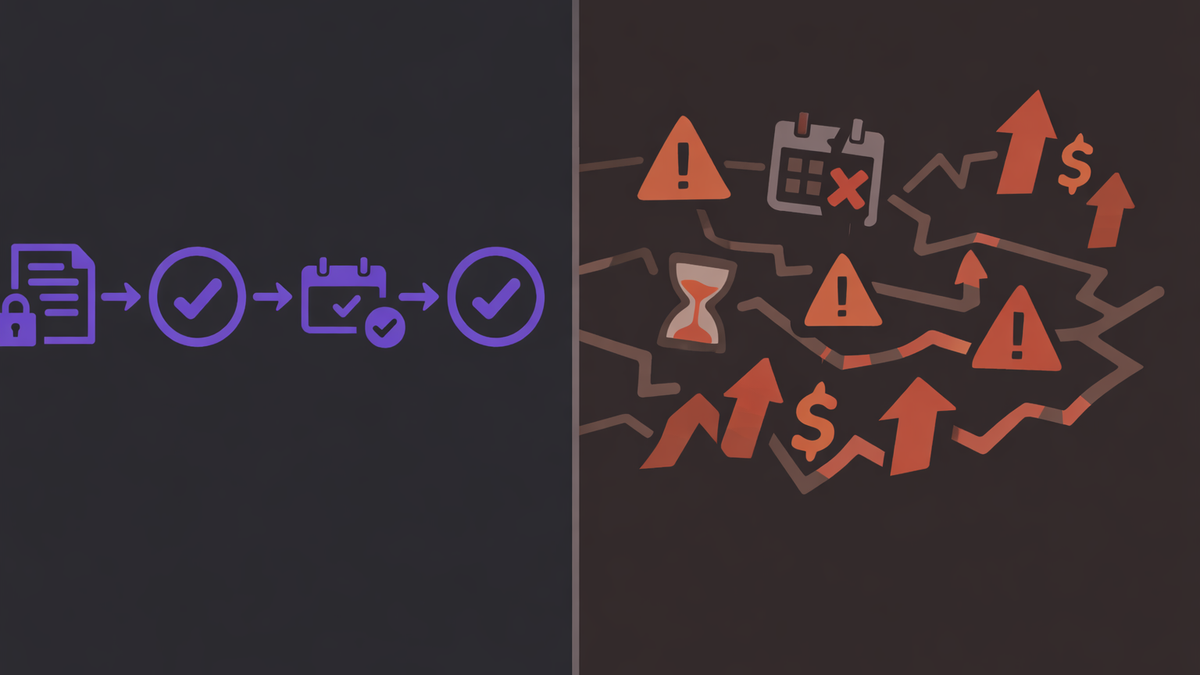
Split flat illustration contrasting a smooth proactive M365 renewal workflow on the left against a fragmented missed-deadline scenario with rising costs on the right, in CloudNuro brand colors
  • Negotiation Leverage: Vendors are often more flexible before a universal price hike.
  • Cost Avoidance: Modeling from Directions on Microsoft suggests enterprises that renew early can avert roughly 16% in increased spend versus defaulting to post-2026 rates.
  • Budget Planning: Early renewal provides price certainty for the next contract cycle, supporting predictable IT financial management.

How to Prepare: Data-Driven Renewal Strategies

Effective M365 renewal strategies rely on real-time visibility into usage, contract terms, and market pricing. Yet, just 1 in 5 CIOs feel equipped with the right tools (Jay McBain, Canalys, 2024).
Visibility Drives Optimization

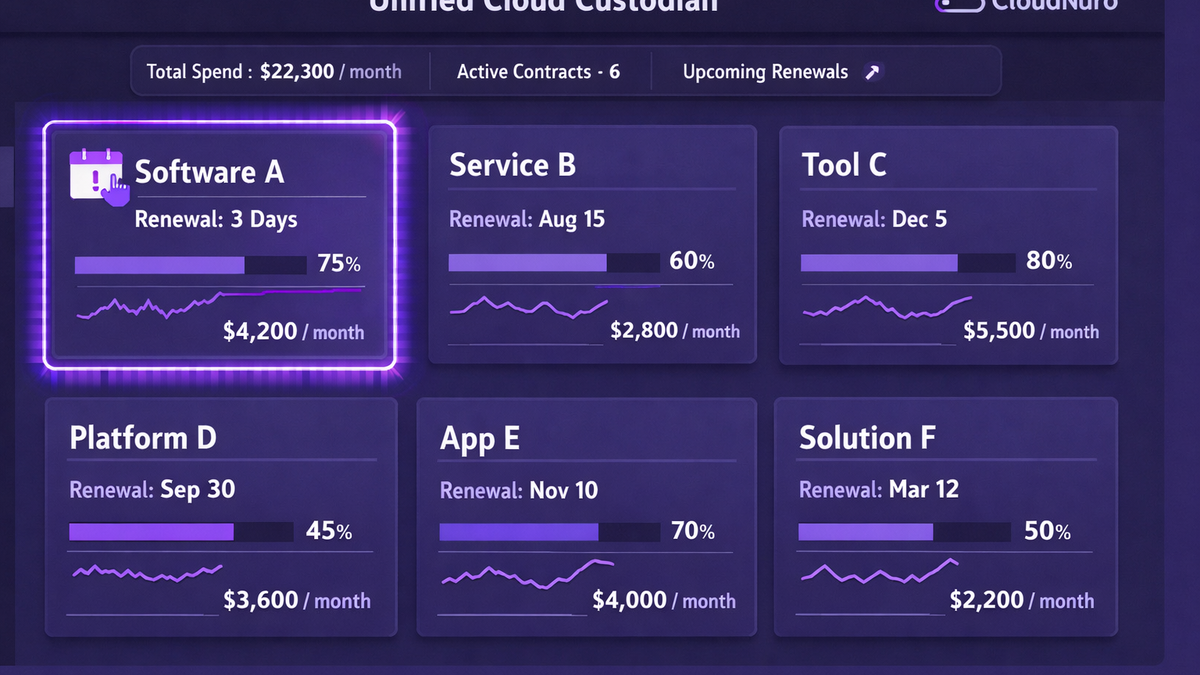
Flat illustration of a unified SaaS governance dashboard with multiple contract renewal cards, usage meters, and cost sparklines in CloudNuro brand colors, one card highlighted for imminent M365 renewal
  • Leverage integrated SaaS management platforms for a unified view of licenses, spend, and renewal dates.
  • Conduct usage analysis to detect underutilized licenses, drive downsizing, and ensure only the right users have premium entitlements.
  • Centralize contract management to avoid missed deadlines.

Benchmark and Negotiate

"The most successful organizations treat SaaS renewals as critical negotiation opportunities, leveraging data on actual usage and market benchmarks to drive savings."
– Michael Silver, Gartner, 2023

  • Benchmark your renewal against sector peers and public list rates.
  • Engage procurement, legal, and technical teams early; start negotiations 6–9 months before expiration.
  • Be ready to ask for custom terms, value-added bundles, or price holds.

Analyzing the Data: Where Enterprises Lose (or Save) Millions

The impact of lax license management is visible in every large Microsoft 365 deployment. Consider the data below:
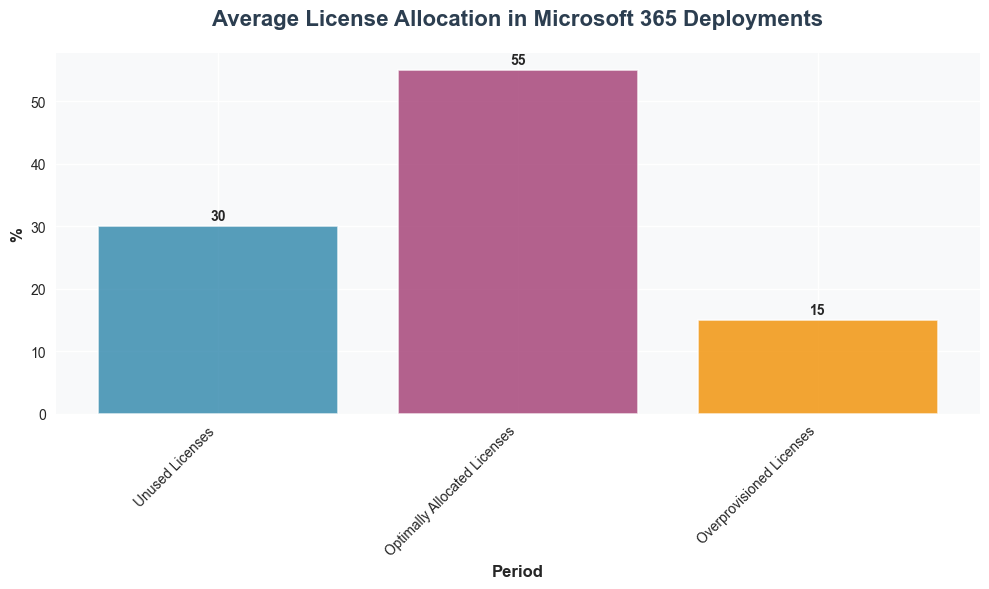
Bar chart showing Microsoft 365 license allocation breakdown: 30% unused, 55% optimally allocated, and 15% overprovisioned, based on Gartner 2023 data

License Waste Breakdown (Gartner 2023):

  • 30% unused
  • 55% optimally allocated
  • 15% overprovisioned

Enterprises that actively optimize their SaaS stacks can reduce total spend by an average of 15-20% annually (Forrester, 2023).

CloudNuro's Microsoft 365 Custodian and FinOps Services deliver actionable insights on usage and optimization scenarios—enabling IT leaders to rightsize before renewal and present hard savings evidence during negotiation.
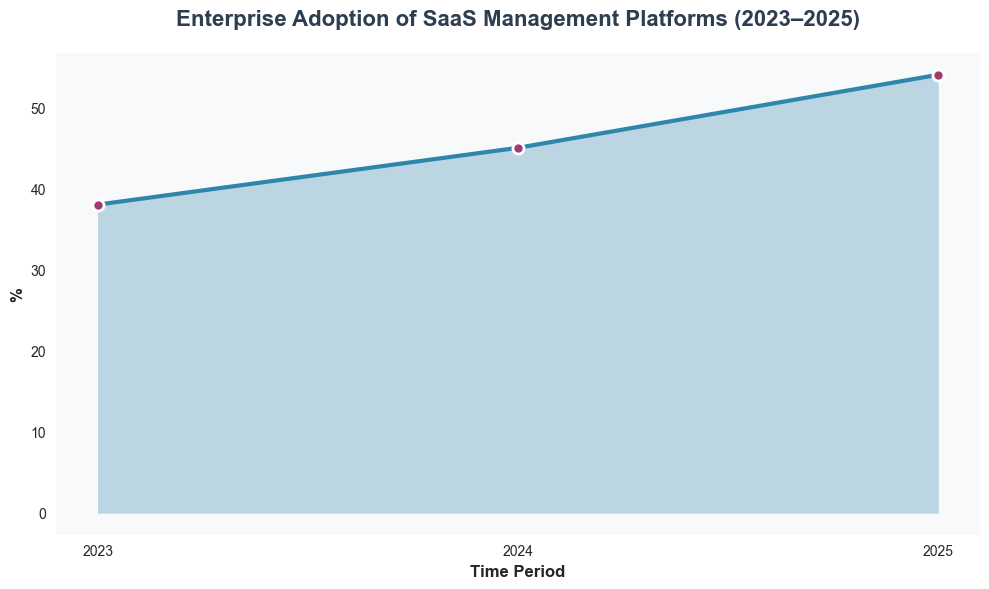
Market Shifts: Why Renewal Agility is Mission Critical

Line chart showing the percentage of enterprises planning to use SaaS management platforms rising from 38% in 2023 to 54% in 2025, based on Gartner 2024 data
  • More than 50% of enterprises plan to invest in automated SaaS management platforms by 2025 (Gartner, 2024).
  • Renewal cycles are accelerating as organizations race to pre-empt vendor price hikes.
  • Shadow IT and SaaS sprawl drive the need for unified license governance and contract tracking.

Case Studies: Enterprise Results

Global Manufacturer: Leveraged usage analytics to rightsize and locked in 2024 M365 E5 rates, saving 16% vs. projected post-2026 costs (Directions on Microsoft, 2024).

North American Financial Firm: Adopted AI-powered SaaS management, achieving a 22% reduction in SaaS overspend (Flexera, 2023).
Checklist: M365 Renewal Triggers and Timing

  • Audit current license allocation and usage
  • Map all renewal dates—start negotiations 6–9 months in advance
  • Engage executive and procurement stakeholders
  • Proactively seek pricing benchmarks and value-add terms
  • Use a unified SaaS management dashboard for real-time visibility

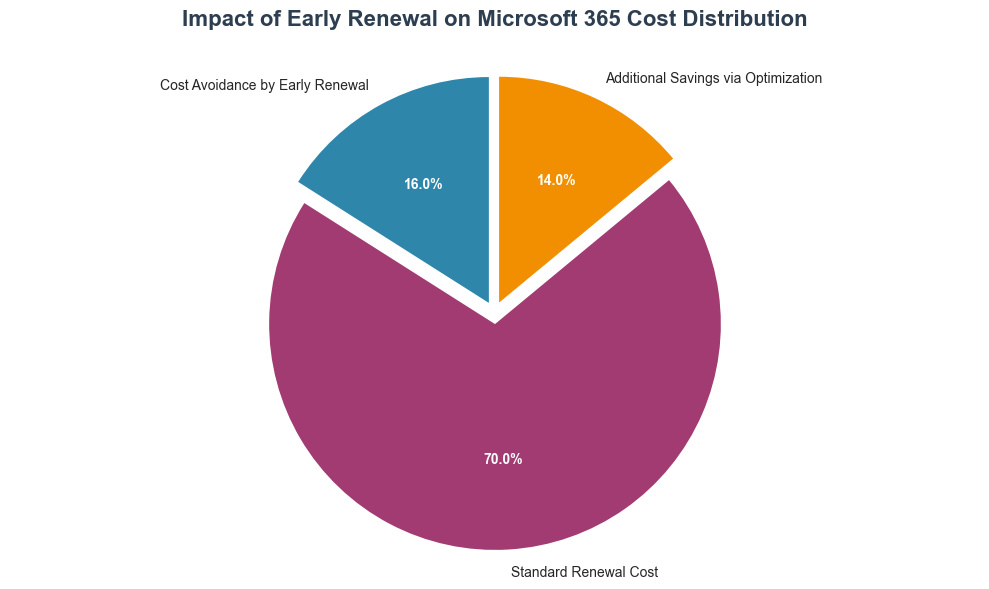
What’s the Payoff? Quantifying Cost Avoidance

Pie chart illustrating Microsoft 365 cost distribution impact of early renewal: 16% cost avoidance, 70% standard renewal cost, and 14% additional savings via optimization, based on Directions on Microsoft 2024 data

Early renewal can avert up to 16% of avoidable cost increases, and organizations seeking optimization routinely find an additional 10–20% in savings.

Conclusion: Take Action Now — Or Risk Budget Turbulence

The July 1, 2026 price increase is a hard deadline—ignore it at your organization’s peril. By combining renewal timing, license optimization, negotiation agility, and unified SaaS management, IT leaders can both lock in current rates and deliver outsized cost savings.

Ready to analyze your renewal path? See how CloudNuro enables Microsoft 365 renewal optimization with immediate savings insights.

Table of Content

Start saving with CloudNuro

Request a no cost, no obligation free assessment —just 15 minutes to savings!

Get Started

Table of Contents

Introduction: Racing the Clock to the July 2026 Deadline

Microsoft has announced a significant price increase of 9-25% across various Microsoft 365 (M365) plans worldwide, effective July 1, 2026 (Microsoft, 2024). For enterprise IT leaders, the choice is stark: renew early to lock in current, lower rates, or risk budget shocks and procurement headaches after the new pricing takes effect.

Flat illustration of a SaaS license management dashboard showing Microsoft 365 license utilization bars and a July 2026 renewal date indicator in CloudNuro brand colors

The stakes are high. Over 90% of Fortune 500 companies now rely on Microsoft 365, underscoring its role as critical SaaS infrastructure (Microsoft, 2024). However, research reveals that most enterprises leave substantial money on the table during renewal—due to missed deadlines, suboptimal license allocation, and a lack of pricing visibility.

The New Microsoft 365 Pricing Reality

  • 9–25% price increase across Microsoft 365 plans worldwide effective July 1, 2026.
  • Most enterprise agreements and volume licensing contracts are structured as multi-year deals, which means timing your renewal correctly can lock in lower legacy rates now.

Key Statistics:

  • 73% of enterprises lack real-time visibility into SaaS usage and spend (Flexera, 2023).
  • License waste due to overprovisioning and unused seats averages 30% in M365 deployments (Gartner, 2023).
  • 64% of organizations missed at least one SaaS renewal deadline in the past year (Blissfully SaaS Trends, 2023).

Why Lock In Now? Cost Certainty and Budget Protection

"Locking in Microsoft 365 pricing ahead of scheduled price increases is one of the most effective tactics for budgeting predictability in large enterprises."
– Wes Miller, Directions on Microsoft, 2024

Split flat illustration contrasting a smooth proactive M365 renewal workflow on the left against a fragmented missed-deadline scenario with rising costs on the right, in CloudNuro brand colors
  • Negotiation Leverage: Vendors are often more flexible before a universal price hike.
  • Cost Avoidance: Modeling from Directions on Microsoft suggests enterprises that renew early can avert roughly 16% in increased spend versus defaulting to post-2026 rates.
  • Budget Planning: Early renewal provides price certainty for the next contract cycle, supporting predictable IT financial management.

How to Prepare: Data-Driven Renewal Strategies

Effective M365 renewal strategies rely on real-time visibility into usage, contract terms, and market pricing. Yet, just 1 in 5 CIOs feel equipped with the right tools (Jay McBain, Canalys, 2024).

Visibility Drives Optimization

Flat illustration of a unified SaaS governance dashboard with multiple contract renewal cards, usage meters, and cost sparklines in CloudNuro brand colors, one card highlighted for imminent M365 renewal
  • Leverage integrated SaaS management platforms for a unified view of licenses, spend, and renewal dates.
  • Conduct usage analysis to detect underutilized licenses, drive downsizing, and ensure only the right users have premium entitlements.
  • Centralize contract management to avoid missed deadlines.

Benchmark and Negotiate

"The most successful organizations treat SaaS renewals as critical negotiation opportunities, leveraging data on actual usage and market benchmarks to drive savings."
– Michael Silver, Gartner, 2023

  • Benchmark your renewal against sector peers and public list rates.
  • Engage procurement, legal, and technical teams early; start negotiations 6–9 months before expiration.
  • Be ready to ask for custom terms, value-added bundles, or price holds.

Analyzing the Data: Where Enterprises Lose (or Save) Millions

The impact of lax license management is visible in every large Microsoft 365 deployment. Consider the data below:

Bar chart showing Microsoft 365 license allocation breakdown: 30% unused, 55% optimally allocated, and 15% overprovisioned, based on Gartner 2023 data

License Waste Breakdown (Gartner 2023):

  • 30% unused
  • 55% optimally allocated
  • 15% overprovisioned

Enterprises that actively optimize their SaaS stacks can reduce total spend by an average of 15-20% annually (Forrester, 2023).

CloudNuro's Microsoft 365 Custodian and FinOps Services deliver actionable insights on usage and optimization scenarios—enabling IT leaders to rightsize before renewal and present hard savings evidence during negotiation.

Market Shifts: Why Renewal Agility is Mission Critical

Line chart showing the percentage of enterprises planning to use SaaS management platforms rising from 38% in 2023 to 54% in 2025, based on Gartner 2024 data
  • More than 50% of enterprises plan to invest in automated SaaS management platforms by 2025 (Gartner, 2024).
  • Renewal cycles are accelerating as organizations race to pre-empt vendor price hikes.
  • Shadow IT and SaaS sprawl drive the need for unified license governance and contract tracking.

Case Studies: Enterprise Results

Global Manufacturer: Leveraged usage analytics to rightsize and locked in 2024 M365 E5 rates, saving 16% vs. projected post-2026 costs (Directions on Microsoft, 2024).

North American Financial Firm: Adopted AI-powered SaaS management, achieving a 22% reduction in SaaS overspend (Flexera, 2023).

Checklist: M365 Renewal Triggers and Timing

  • Audit current license allocation and usage
  • Map all renewal dates—start negotiations 6–9 months in advance
  • Engage executive and procurement stakeholders
  • Proactively seek pricing benchmarks and value-add terms
  • Use a unified SaaS management dashboard for real-time visibility

What’s the Payoff? Quantifying Cost Avoidance

Pie chart illustrating Microsoft 365 cost distribution impact of early renewal: 16% cost avoidance, 70% standard renewal cost, and 14% additional savings via optimization, based on Directions on Microsoft 2024 data

Early renewal can avert up to 16% of avoidable cost increases, and organizations seeking optimization routinely find an additional 10–20% in savings.

Conclusion: Take Action Now — Or Risk Budget Turbulence

The July 1, 2026 price increase is a hard deadline—ignore it at your organization’s peril. By combining renewal timing, license optimization, negotiation agility, and unified SaaS management, IT leaders can both lock in current rates and deliver outsized cost savings.

Ready to analyze your renewal path? See how CloudNuro enables Microsoft 365 renewal optimization with immediate savings insights.

Start saving with CloudNuro

Request a no cost, no obligation free assessment - just 15 minutes to savings!

Get Started

Don't Let Hidden ServiceNow Costs Drain Your IT Budget - Claim Your Free

We're offering complimentary ServiceNow license assessments to only 25 enterprises this quarter who want to unlock immediate savings without disrupting operations.

Get Free AssessmentGet Started


Ask AI for a Summary of This Blog

Save 20% of your SaaS spends with CloudNuro.ai

Recognized Leader in SaaS Management Platforms by Info-Tech SoftwareReviews

Thank you! Your submission has been received!
Oops! Something went wrong while submitting the form.