

Sign Up
Thank you for Submitting!

AI pricing models are no longer a back-office detail. For CIOs, CTOs, and procurement leaders, how AI is priced now directly shapes AI ROI, governance, and risk exposure.
As per token, outcome-based, and hybrid AI pricing models grow, IT and FinOps teams must move beyond simple seat counts. According to Statista 2026, per token billing is projected to account for 42% of AI SaaS revenue by 2026, up from 29% in 2024, while IDC expects 68% of enterprise AI purchasers to favor hybrid pricing by 2026. That shift brings new opportunities for value, but also new complexity for budgeting, AI financial governance, and compliance.
This 2025 guide explains the main AI pricing models, where they work, where they fail, and how to manage AI costs with governance-first tooling.
Before you can compare AI pricing models or negotiate contracts, your team needs a shared vocabulary. Most AI pricing you will encounter falls into four categories, often combined in practice.

Per seat AI pricing charges a fixed fee per named user per month or year. This is still common for AI features embedded inside existing SaaS.
Where it fits:
Strengths:
Weaknesses:
A common failure mode: an organization buys 2,000 AI seats for a pilot, only 600 users become active, and no one has clear visibility to reclaim licenses. Your AI license model looks efficient on paper, but actual AI ROI is poor.
Per token pricing AI charges based on actual model consumption, typically measured in tokens or similar units for generative AI and NLP workloads.
Where it fits:
Strengths:
Weaknesses:
One counterargument you may hear is that per token pricing is “too unpredictable” for enterprise AI procurement. In reality, unpredictability is usually a governance problem, not a pricing problem. With the right controls, per token pricing can be more efficient than per seat, especially for AI workloads with wide variability.
Outcome based AI pricing ties cost to specific business results, such as fraud cases prevented, qualified leads generated, or hours saved.
Where it fits:
Strengths:
Weaknesses:
A counterargument is that outcome-based AI pricing “outsources” too much control to vendors. In practice, it forces both sides to define value clearly. The real risk arises when organizations lack reliable data and compliance-friendly tracking to prove outcomes.
Hybrid AI pricing mixes elements of per seat, per token, and outcome-based models. For example, a base AI subscription pricing per seat plus a variable per token component, with bonus tiers tied to performance.
According to IDC 2026, 68% of enterprise AI purchasers will favor hybrid pricing models by 2026. Hybrid pricing supports the nuanced demands of AI consumption models, where some usage is steady and some is highly variable.
Strengths:
Weaknesses:
Hybrid AI pricing is like a blended energy contract: a base rate for stability plus variable pricing for peak usage. It rewards organizations with strong visibility and governance.
To choose the best AI pricing model, you need to understand where the market is heading. Most enterprises are moving away from static per seat AI subscription pricing toward more usage-aware structures.
A Statista 2026 analysis of AI pricing trends in SaaS shows:
Gartner 2026 also projects that SaaS vendors using AI consumption-based billing will see a 2x increase in average contract value versus static subscription models. This does not automatically mean higher AI SaaS cost for buyers, but it does mean larger and more complex contracts.
Info-Tech 2026 notes that AI compliance and governance needs are driving adoption of platforms that provide real-time workload tracking and automated chargeback. As Dr. Priya Ganesh summarized in IDC 2026, “Hybrid AI pricing, merging usage and outcomes, is now essential for enterprises seeking predictable costs and measurable value.”
For CIOs and FinOps leaders, the implication is clear: AI pricing 2025 to 2026 will be more dynamic, and you will need tooling that can understand and compare AI pricing, not just count licenses.
Not all AI pricing models produce the same financial and operational outcomes. A Gartner 2026 comparison found that average ROI for enterprises varied significantly by pricing structure.
These are averages. Your reality will depend on AI use cases, maturity of AI governance, and your ability to monitor AI workloads.
Per seat AI pricing
Per token pricing AI
Outcome based AI pricing
Hybrid AI pricing
A practical guideline: if your AI governance is still emerging, gravitate toward simpler models for core workloads, and experiment with more advanced outcome-based or hybrid structures on limited, high-value pilots.
Once you understand the pricing mechanics, the real challenge is operationalizing them. AI billing strategies only work if they are embedded in your financial governance processes.
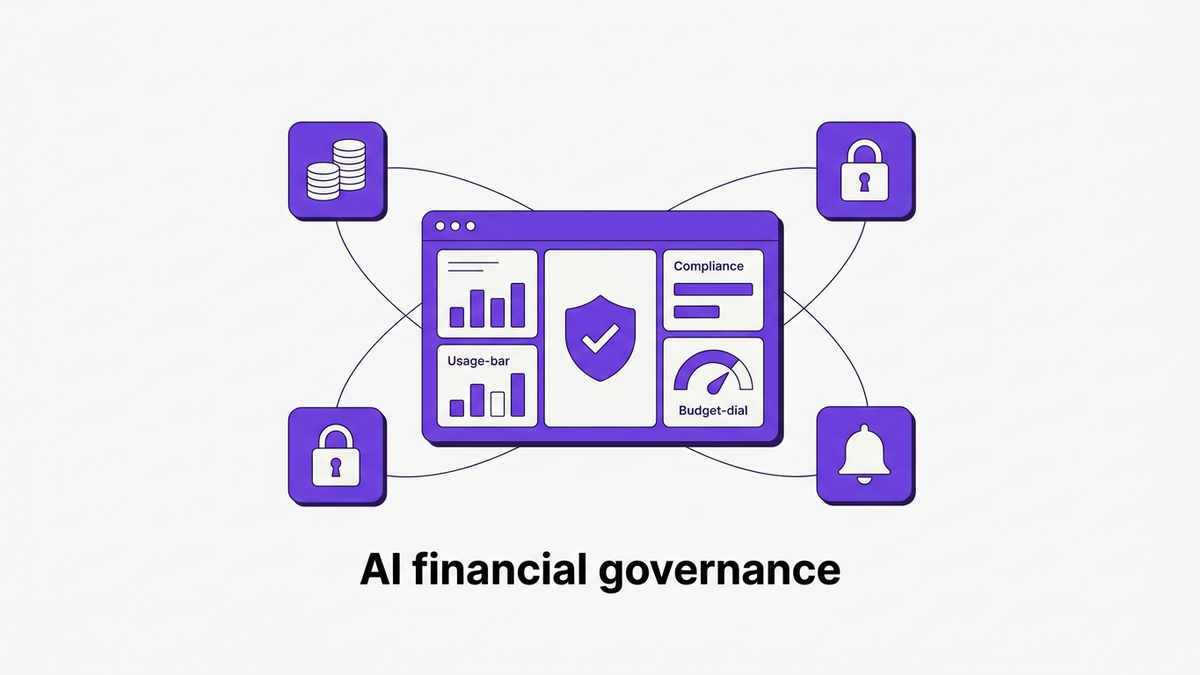
Start by treating AI spend as a distinct category with its own governance policies.
Key steps:
This provides a foundation for AI contract negotiation and for comparing AI pricing models across vendors.
You cannot forecast AI operational cost with a single method anymore. Build a budgeting framework that treats each model differently.
This is where a unified view of SaaS, PaaS, and IaaS spend, with AI-specific tags, becomes essential.
Static reports are not enough for AI consumption pricing. Info-Tech 2026 highlights that organizations with real-time AI workload tracking reduced cost overruns by 35% under per token schemes.
Core capabilities you need:
This monitoring enables tactical actions, such as throttling low-value workloads, pausing unused AI seats, or renegotiating AI subscription pricing based on real data.
AI pricing models are not only about money. They intersect with AI compliance and AI governance.
Treat AI pricing as part of your overall AI governance program, not as an isolated procurement decision.
CloudNuro is built for enterprises that want governance-first control of AI spend across all AI pricing models. Its platform provides a single pane of glass for SaaS, PaaS, and IaaS, including AI workloads.
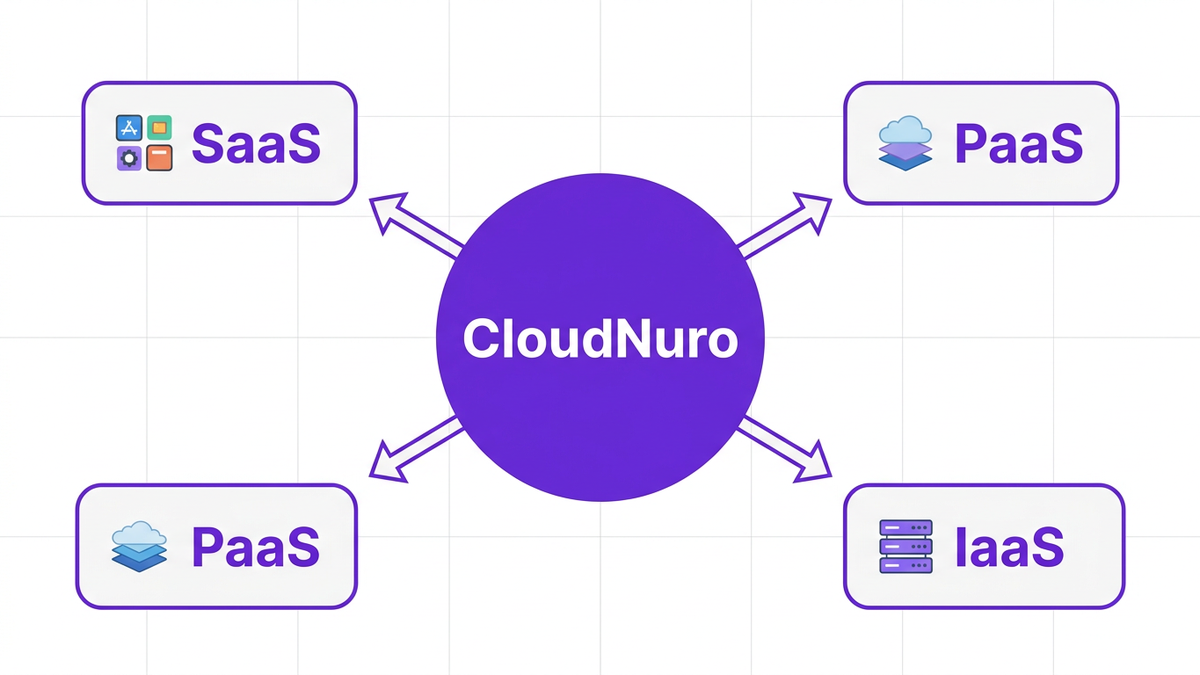
CloudNuro’s Unified Cloud Custodian and AI Custodian discover AI applications and services automatically, then map them to the underlying AI pricing models.
This allows IT, FinOps, and security teams to:
Because CloudNuro integrates with more than 400 SaaS and cloud providers, you get a complete view of AI SaaS cost, not just standalone AI platforms.
For per token pricing and hybrid AI pricing, CloudNuro provides granular workload tracking and chargeback capabilities.
Capabilities include:
Info-Tech 2026 points out that platforms with real-time AI workload tracking reduce cost overruns by 35% under per token pricing. CloudNuro’s AI Custodian is designed to meet exactly that need, with AI financial governance built in.
Outcome-based AI pricing requires strong governance and verifiable data. CloudNuro’s governance-first architecture provides:
This is particularly valuable for regulated sectors such as government, healthcare, and financial services, where AI compliance and AI governance are non-negotiable.
A leading financial services firm shifted its fraud detection AI from per seat AI pricing to a hybrid model: a base subscription plus variable AI consumption pricing.
Using CloudNuro’s Unified Cloud Custodian, the firm:
Within nine months, they achieved a 28% reduction in excess AI license spend and strengthened compliance reporting, aligning AI ROI with risk appetite.
A global healthcare group adopted per token billing for clinical decision support AI tools. They used CloudNuro’s AI Custodian to implement continuous usage analytics and chargeback.
Results included:
These examples show how a governance-first platform turns complex AI pricing models into manageable, auditable cost structures.
To operationalize AI pricing 2025 decisions, use a structured approach.
Start by listing your AI use cases and mapping each to a preferred pricing model.
This mapping aligns AI pricing with the nature of the workload and business value.
Your ability to manage complex AI SaaS pricing depends on governance maturity.
Ask:
If the answer is “no” to multiple questions, prioritize simpler contracts while you roll out a platform like CloudNuro.
Rather than moving everything to hybrid AI pricing at once, run targeted pilots.
This phased approach lets you compare AI pricing empirically, not just theoretically.
AI contract negotiation should explicitly address pricing models, governance, and data.
Include provisions for:
Gartner, IDC, and Forrester projections all align on the same point: 87% of CIOs plan to renegotiate AI SaaS contracts to accommodate hybrid or outcome-based models in 2026. Being prepared with your own data and governance policies will strengthen your negotiating position.
The primary AI pricing models are per seat, per token, outcome based AI pricing, and hybrid AI pricing that blends elements of the three. Per seat AI pricing charges per user, per token pricing AI bills by consumption, outcome-based models tie cost to business KPIs, and hybrid models combine fixed and variable elements.
For most enterprises, you will encounter a mix of these across different AI SaaS pricing agreements, especially as vendors shift to AI consumption-based billing.
Per seat AI pricing is simpler and more predictable, but often leads to overprovisioning and unused licenses. Per token pricing AI aligns cost with actual consumption, which can improve efficiency but requires strong AI financial governance to avoid surprises.
Outcome based AI pricing offers the highest potential AI ROI, since cost matches business results, but it demands robust data, monitoring, and contract sophistication. Hybrid models often deliver the best balance of predictability and value when backed by real-time AI workload tracking.
Pros:
Cons:
Hybrid AI pricing combines elements such as a fixed per seat base plus variable per token charges, or a minimum subscription with performance-based bonuses. IDC projects 68% adoption of hybrid models by 2026 because they blend predictability with flexibility.
For enterprises, hybrid AI pricing works best when you have platforms like CloudNuro that can track both fixed and variable components, allocate costs to business units, and enforce policies across SaaS, PaaS, and IaaS.
IT leaders should segment AI spend by pricing model, then use different forecasting methods for each. For per seat AI pricing, align with headcount and role-based access. For per token pricing AI and AI pay as you go structures, model historical usage patterns and apply guardrails and alerts.
For outcome-based and hybrid models, use scenario planning and link budgets to KPI targets. Across all models, invest in AI governance platforms that unify AI SaaS cost data and provide real-time visibility.
For AI governance platforms themselves, a hybrid AI pricing approach often works best. A baseline subscription can cover core governance capabilities, while variable components align with scale factors such as number of AI workloads or integrations.
The key is not just the AI subscription pricing, but your ability to monitor and control AI consumption. Platforms like CloudNuro help ensure that your chosen AI pricing models, across vendors, remain transparent, compliant, and optimized.
AI pricing models are rapidly shifting from simple per seat structures to a rich mix of per token, outcome-based, and hybrid AI pricing. Statista, Gartner, IDC, and others all point in the same direction: per token and hybrid models are becoming the default for enterprise AI costs.
To turn that shift into an advantage, you need three things: a clear understanding of AI pricing models, strong AI financial governance, and a unified platform that gives you real-time visibility into AI workloads and AI SaaS pricing across SaaS, PaaS, and IaaS.
CloudNuro was built for that reality. If you want to understand, compare, and optimize AI pricing models across your portfolio, explore how CloudNuro’s Unified Cloud Custodian and AI Custodian can give you the governance-first control you need.
Call to action: Visit CloudNuro to schedule a demo and see how you can govern AI pricing models, reduce AI SaaS cost, and strengthen compliance across your entire cloud estate.
Request a Demo | Get Free Savings Assessment | Explore Product
Request a no cost, no obligation free assessment —just 15 minutes to savings!
Get StartedAI pricing models are no longer a back-office detail. For CIOs, CTOs, and procurement leaders, how AI is priced now directly shapes AI ROI, governance, and risk exposure.
As per token, outcome-based, and hybrid AI pricing models grow, IT and FinOps teams must move beyond simple seat counts. According to Statista 2026, per token billing is projected to account for 42% of AI SaaS revenue by 2026, up from 29% in 2024, while IDC expects 68% of enterprise AI purchasers to favor hybrid pricing by 2026. That shift brings new opportunities for value, but also new complexity for budgeting, AI financial governance, and compliance.
This 2025 guide explains the main AI pricing models, where they work, where they fail, and how to manage AI costs with governance-first tooling.
Before you can compare AI pricing models or negotiate contracts, your team needs a shared vocabulary. Most AI pricing you will encounter falls into four categories, often combined in practice.
Per seat AI pricing charges a fixed fee per named user per month or year. This is still common for AI features embedded inside existing SaaS.
Where it fits:
Strengths:
Weaknesses:
A common failure mode: an organization buys 2,000 AI seats for a pilot, only 600 users become active, and no one has clear visibility to reclaim licenses. Your AI license model looks efficient on paper, but actual AI ROI is poor.
Per token pricing AI charges based on actual model consumption, typically measured in tokens or similar units for generative AI and NLP workloads.
Where it fits:
Strengths:
Weaknesses:
One counterargument you may hear is that per token pricing is “too unpredictable” for enterprise AI procurement. In reality, unpredictability is usually a governance problem, not a pricing problem. With the right controls, per token pricing can be more efficient than per seat, especially for AI workloads with wide variability.
Outcome based AI pricing ties cost to specific business results, such as fraud cases prevented, qualified leads generated, or hours saved.
Where it fits:
Strengths:
Weaknesses:
A counterargument is that outcome-based AI pricing “outsources” too much control to vendors. In practice, it forces both sides to define value clearly. The real risk arises when organizations lack reliable data and compliance-friendly tracking to prove outcomes.
Hybrid AI pricing mixes elements of per seat, per token, and outcome-based models. For example, a base AI subscription pricing per seat plus a variable per token component, with bonus tiers tied to performance.
According to IDC 2026, 68% of enterprise AI purchasers will favor hybrid pricing models by 2026. Hybrid pricing supports the nuanced demands of AI consumption models, where some usage is steady and some is highly variable.
Strengths:
Weaknesses:
Hybrid AI pricing is like a blended energy contract: a base rate for stability plus variable pricing for peak usage. It rewards organizations with strong visibility and governance.
To choose the best AI pricing model, you need to understand where the market is heading. Most enterprises are moving away from static per seat AI subscription pricing toward more usage-aware structures.
A Statista 2026 analysis of AI pricing trends in SaaS shows:
Gartner 2026 also projects that SaaS vendors using AI consumption-based billing will see a 2x increase in average contract value versus static subscription models. This does not automatically mean higher AI SaaS cost for buyers, but it does mean larger and more complex contracts.
Info-Tech 2026 notes that AI compliance and governance needs are driving adoption of platforms that provide real-time workload tracking and automated chargeback. As Dr. Priya Ganesh summarized in IDC 2026, “Hybrid AI pricing, merging usage and outcomes, is now essential for enterprises seeking predictable costs and measurable value.”
For CIOs and FinOps leaders, the implication is clear: AI pricing 2025 to 2026 will be more dynamic, and you will need tooling that can understand and compare AI pricing, not just count licenses.
Not all AI pricing models produce the same financial and operational outcomes. A Gartner 2026 comparison found that average ROI for enterprises varied significantly by pricing structure.
These are averages. Your reality will depend on AI use cases, maturity of AI governance, and your ability to monitor AI workloads.
Per seat AI pricing
Per token pricing AI
Outcome based AI pricing
Hybrid AI pricing
A practical guideline: if your AI governance is still emerging, gravitate toward simpler models for core workloads, and experiment with more advanced outcome-based or hybrid structures on limited, high-value pilots.
Once you understand the pricing mechanics, the real challenge is operationalizing them. AI billing strategies only work if they are embedded in your financial governance processes.
Start by treating AI spend as a distinct category with its own governance policies.
Key steps:
This provides a foundation for AI contract negotiation and for comparing AI pricing models across vendors.
You cannot forecast AI operational cost with a single method anymore. Build a budgeting framework that treats each model differently.
This is where a unified view of SaaS, PaaS, and IaaS spend, with AI-specific tags, becomes essential.
Static reports are not enough for AI consumption pricing. Info-Tech 2026 highlights that organizations with real-time AI workload tracking reduced cost overruns by 35% under per token schemes.
Core capabilities you need:
This monitoring enables tactical actions, such as throttling low-value workloads, pausing unused AI seats, or renegotiating AI subscription pricing based on real data.
AI pricing models are not only about money. They intersect with AI compliance and AI governance.
Treat AI pricing as part of your overall AI governance program, not as an isolated procurement decision.
CloudNuro is built for enterprises that want governance-first control of AI spend across all AI pricing models. Its platform provides a single pane of glass for SaaS, PaaS, and IaaS, including AI workloads.
CloudNuro’s Unified Cloud Custodian and AI Custodian discover AI applications and services automatically, then map them to the underlying AI pricing models.
This allows IT, FinOps, and security teams to:
Because CloudNuro integrates with more than 400 SaaS and cloud providers, you get a complete view of AI SaaS cost, not just standalone AI platforms.
For per token pricing and hybrid AI pricing, CloudNuro provides granular workload tracking and chargeback capabilities.
Capabilities include:
Info-Tech 2026 points out that platforms with real-time AI workload tracking reduce cost overruns by 35% under per token pricing. CloudNuro’s AI Custodian is designed to meet exactly that need, with AI financial governance built in.
Outcome-based AI pricing requires strong governance and verifiable data. CloudNuro’s governance-first architecture provides:
This is particularly valuable for regulated sectors such as government, healthcare, and financial services, where AI compliance and AI governance are non-negotiable.
A leading financial services firm shifted its fraud detection AI from per seat AI pricing to a hybrid model: a base subscription plus variable AI consumption pricing.
Using CloudNuro’s Unified Cloud Custodian, the firm:
Within nine months, they achieved a 28% reduction in excess AI license spend and strengthened compliance reporting, aligning AI ROI with risk appetite.
A global healthcare group adopted per token billing for clinical decision support AI tools. They used CloudNuro’s AI Custodian to implement continuous usage analytics and chargeback.
Results included:
These examples show how a governance-first platform turns complex AI pricing models into manageable, auditable cost structures.
To operationalize AI pricing 2025 decisions, use a structured approach.
Start by listing your AI use cases and mapping each to a preferred pricing model.
This mapping aligns AI pricing with the nature of the workload and business value.
Your ability to manage complex AI SaaS pricing depends on governance maturity.
Ask:
If the answer is “no” to multiple questions, prioritize simpler contracts while you roll out a platform like CloudNuro.
Rather than moving everything to hybrid AI pricing at once, run targeted pilots.
This phased approach lets you compare AI pricing empirically, not just theoretically.
AI contract negotiation should explicitly address pricing models, governance, and data.
Include provisions for:
Gartner, IDC, and Forrester projections all align on the same point: 87% of CIOs plan to renegotiate AI SaaS contracts to accommodate hybrid or outcome-based models in 2026. Being prepared with your own data and governance policies will strengthen your negotiating position.
The primary AI pricing models are per seat, per token, outcome based AI pricing, and hybrid AI pricing that blends elements of the three. Per seat AI pricing charges per user, per token pricing AI bills by consumption, outcome-based models tie cost to business KPIs, and hybrid models combine fixed and variable elements.
For most enterprises, you will encounter a mix of these across different AI SaaS pricing agreements, especially as vendors shift to AI consumption-based billing.
Per seat AI pricing is simpler and more predictable, but often leads to overprovisioning and unused licenses. Per token pricing AI aligns cost with actual consumption, which can improve efficiency but requires strong AI financial governance to avoid surprises.
Outcome based AI pricing offers the highest potential AI ROI, since cost matches business results, but it demands robust data, monitoring, and contract sophistication. Hybrid models often deliver the best balance of predictability and value when backed by real-time AI workload tracking.
Pros:
Cons:
Hybrid AI pricing combines elements such as a fixed per seat base plus variable per token charges, or a minimum subscription with performance-based bonuses. IDC projects 68% adoption of hybrid models by 2026 because they blend predictability with flexibility.
For enterprises, hybrid AI pricing works best when you have platforms like CloudNuro that can track both fixed and variable components, allocate costs to business units, and enforce policies across SaaS, PaaS, and IaaS.
IT leaders should segment AI spend by pricing model, then use different forecasting methods for each. For per seat AI pricing, align with headcount and role-based access. For per token pricing AI and AI pay as you go structures, model historical usage patterns and apply guardrails and alerts.
For outcome-based and hybrid models, use scenario planning and link budgets to KPI targets. Across all models, invest in AI governance platforms that unify AI SaaS cost data and provide real-time visibility.
For AI governance platforms themselves, a hybrid AI pricing approach often works best. A baseline subscription can cover core governance capabilities, while variable components align with scale factors such as number of AI workloads or integrations.
The key is not just the AI subscription pricing, but your ability to monitor and control AI consumption. Platforms like CloudNuro help ensure that your chosen AI pricing models, across vendors, remain transparent, compliant, and optimized.
AI pricing models are rapidly shifting from simple per seat structures to a rich mix of per token, outcome-based, and hybrid AI pricing. Statista, Gartner, IDC, and others all point in the same direction: per token and hybrid models are becoming the default for enterprise AI costs.
To turn that shift into an advantage, you need three things: a clear understanding of AI pricing models, strong AI financial governance, and a unified platform that gives you real-time visibility into AI workloads and AI SaaS pricing across SaaS, PaaS, and IaaS.
CloudNuro was built for that reality. If you want to understand, compare, and optimize AI pricing models across your portfolio, explore how CloudNuro’s Unified Cloud Custodian and AI Custodian can give you the governance-first control you need.
Call to action: Visit CloudNuro to schedule a demo and see how you can govern AI pricing models, reduce AI SaaS cost, and strengthen compliance across your entire cloud estate.
Request a Demo | Get Free Savings Assessment | Explore Product
Request a no cost, no obligation free assessment - just 15 minutes to savings!
Get StartedWe're offering complimentary ServiceNow license assessments to only 25 enterprises this quarter who want to unlock immediate savings without disrupting operations.
Get Free AssessmentGet Started




CloudNuro Corp
1755 Park St. Suite 207
Naperville, IL 60563
Phone : +1-630-277-9470
Email: info@cloudnuro.com





.webp)

Recognized Leader in SaaS Management Platforms by Info-Tech SoftwareReviews


.png)
.svg)