

Sign Up
Thank you for Submitting!
Microsoft Fabric cost optimization is rapidly becoming a board-level priority as enterprises push more analytics, AI, and data workloads into the platform. Enterprise SaaS expenditures are projected to rise by 18% in 2026, with Microsoft Fabric already taking a growing slice of the cloud budget. At the same time, 76% of IT leaders report heightened pressure to demonstrate measurable cost optimization for Fabric and other core SaaS tools.
For CIOs, CTOs, and finance leaders, this is no longer about trimming a few unused licenses. It is about building a FinOps operating model that treats Microsoft Fabric as a strategic, governed spend category with clear accountability, automation, and continuous optimization.
This 2026 playbook walks through how to do exactly that.
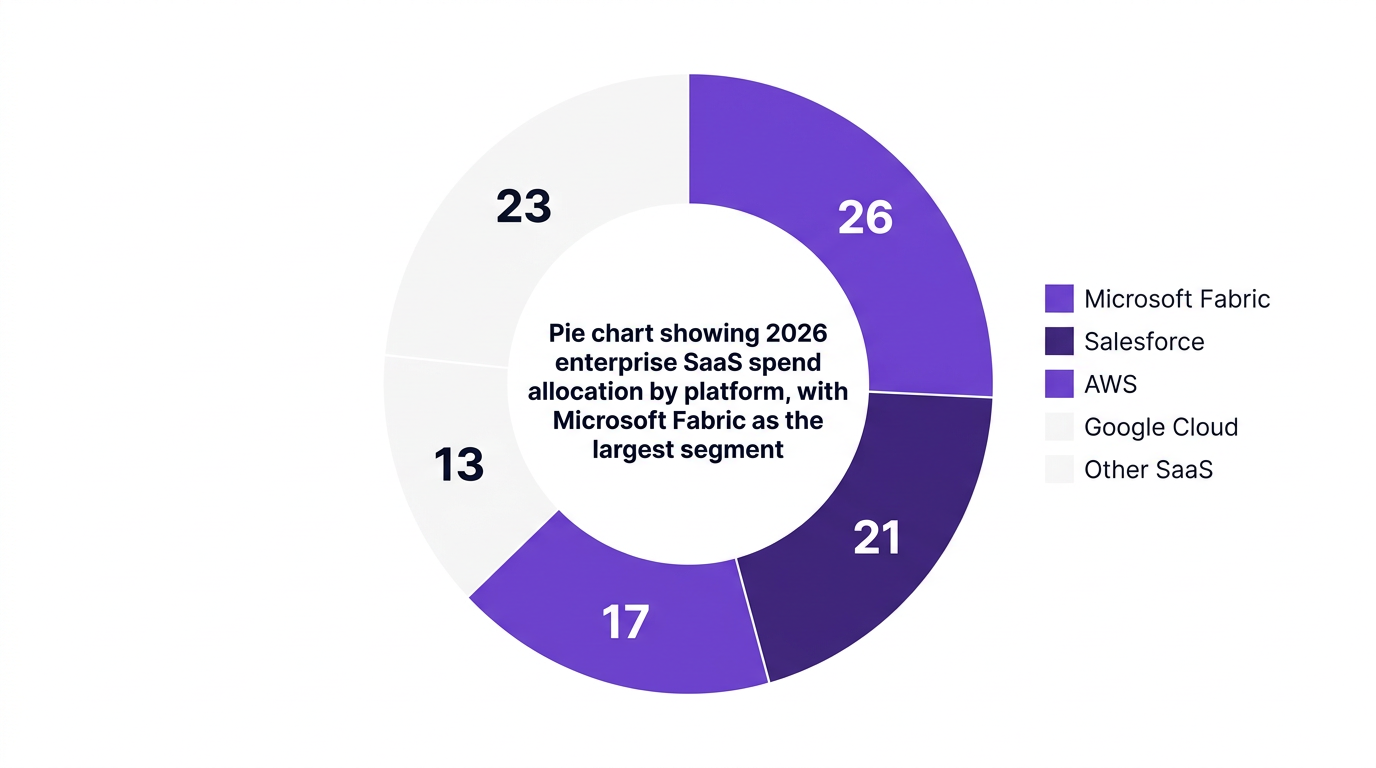
Microsoft Fabric is powerful, but it also concentrates a lot of spend into a single platform: compute, storage, analytics, AI, and collaboration. According to a recent SaaS trends outlook, Fabric now accounts for more than a quarter of total SaaS and cloud analytics spend in many large enterprises.
One market report on 2026 enterprise SaaS spend shows this pattern clearly: Fabric already rivals traditional cloud infrastructure and other enterprise SaaS categories in budget share.
At the same time, most organizations still treat Microsoft Fabric as an isolated line item. Procurement negotiates the contract once per year, IT provisions workspaces per project, and finance tracks costs at a coarse GL level. That approach misses three critical realities:
In other words, Microsoft Fabric cost optimization is no longer a one, time project. It belongs at the core of your enterprise FinOps strategies, with shared KPIs and automation that run every day, not once per quarter.
To bring structure to Microsoft Fabric cost optimization, it helps to use a maturity lens. The 2026 Fabric FinOps Maturity Model has four stages: Discover, Control, Optimize, and Govern.
Think of it like modernizing a factory. First you find where the machines are and what they produce, then you get basic controls in place, then you tune performance, and finally you institutionalize safety and audit.
Most enterprises underestimate how fragmented their Microsoft Fabric usage really is. Different business units spin up workspaces, data engineers provision capacities for pilots, and analytics teams test features that never graduate to production.
Key actions at this stage:
The goal is simple: no blind spots. According to a recent compliance market report, only 22% of enterprises currently have continuous, automated visibility into Microsoft Fabric license usage. Closing that gap is where meaningful Microsoft Fabric cost optimization work starts.
Once you see the footprint, you need to stop the bleeding. This means putting foundational controls around provisioning, assignment, and retirement.
Priority controls include:
At this stage, the focus is to reduce new waste, especially around:
Optimization is about right, sizing SaaS licenses, retiring idle resources, and aligning spend to value.
Optimization activities include:
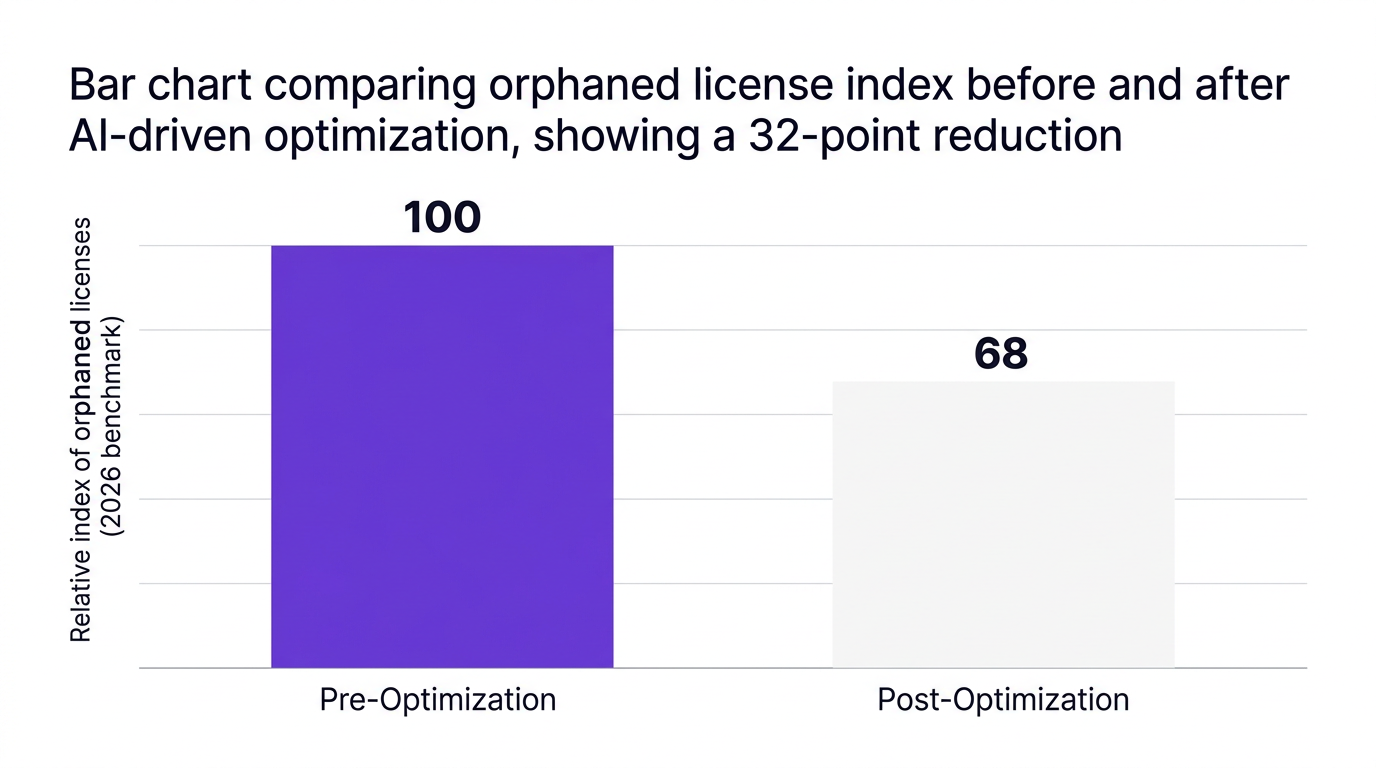
This is where FinOps automation begins to pay off. A 2026 SaaS optimization study observed that organizations adopting AI, driven license reclamation for tools like Fabric reduced orphaned licenses by roughly one, third after the first optimization cycle.
Finally, governance embeds Microsoft Fabric cost optimization into your operating model so savings persist.
Key elements:
According to a recent enterprise IT report, organizations that reach this stage often achieve up to 45% higher renewal value in Microsoft ecosystems versus peers, because they walk into negotiations with precise, defensible usage data.
With the maturity model in mind, here are six concrete FinOps plays you can run to control Microsoft Fabric costs in 2026.
New pricing structures and workload types in Fabric mean that idle or over, provisioned capacities become very expensive very quickly.
Actions:
A cloud efficiency analysis from 2026 shows many enterprises can reclaim 10 to 20% of capacity spend purely by right, sizing and scheduling.
Static spreadsheets and annual audits are not enough. As one SaaS finance leader noted in 2026, relying on manual audits for platforms like Microsoft Fabric is no longer viable when user churn and role changes are constant.
A stronger pattern is automated license reclamation:
A financial operations report from 2026 showed that organizations implementing automated reclamation across SaaS, including Fabric, saw average savings of 15% or more, often without any impact on user productivity.
Not all workloads belong on the same license tiers. A lot of hidden waste comes from high, end licenses used for simple, low, intensity analytics.
Best practices for Microsoft Fabric licensing best practices in 2026:
This workload, driven approach prevents overbuying and supports right, sizing SaaS licenses as your portfolio evolves.
If you want behavior change, you need chargeback for SaaS usage. Without it, central IT carries the cost while business units drive the consumption.
A pragmatic approach:
Chargeback is not punishment. It is a governance tool that helps business leaders weigh the ROI of Fabric projects against alternative investments.
Fabric should not live in its own reporting silo. It belongs in a broader enterprise SaaS spend management framework that covers Microsoft 365, CRM, collaboration, and other strategic platforms.
Practical steps:
A multi, cloud market insights study in 2026 found that over half of enterprises now require unified visibility across Microsoft environments, major IaaS providers, and other SaaS tools to maintain compliance and optimization.
With 2026 pricing changes and evolving bundles, renewal cycles can swing budgets by millions.
A renewal, ready data room should include:
A large financial services firm documented cutting renewal costs by 44% on Fabric through predictive renewal analytics and tight license optimization, while keeping audits clean and stakeholders satisfied.
A Fortune 500 healthcare enterprise offers a useful illustration of this 2026 playbook in action.
The organization was running hundreds of analytics workloads on Microsoft Fabric, but had little insight into who owned which capacities, which users were active, or which projects were still strategic. Finance saw the total bill climbing 20% year over year, yet there was no unified view of usage.
The company implemented an AI, based FinOps program focused on Fabric and broader SaaS optimization. Key actions:
Within the first year, the healthcare organization:
This mirrors broader trends: a 2026 SaaS benchmarking study reported similar levels of orphaned license reduction following AI, driven optimization across Microsoft environments.
Microsoft Fabric cost optimization works best when it is embedded in your SaaS management architecture. CloudNuro is built to do exactly that, especially for enterprises standardizing on Microsoft ecosystems.
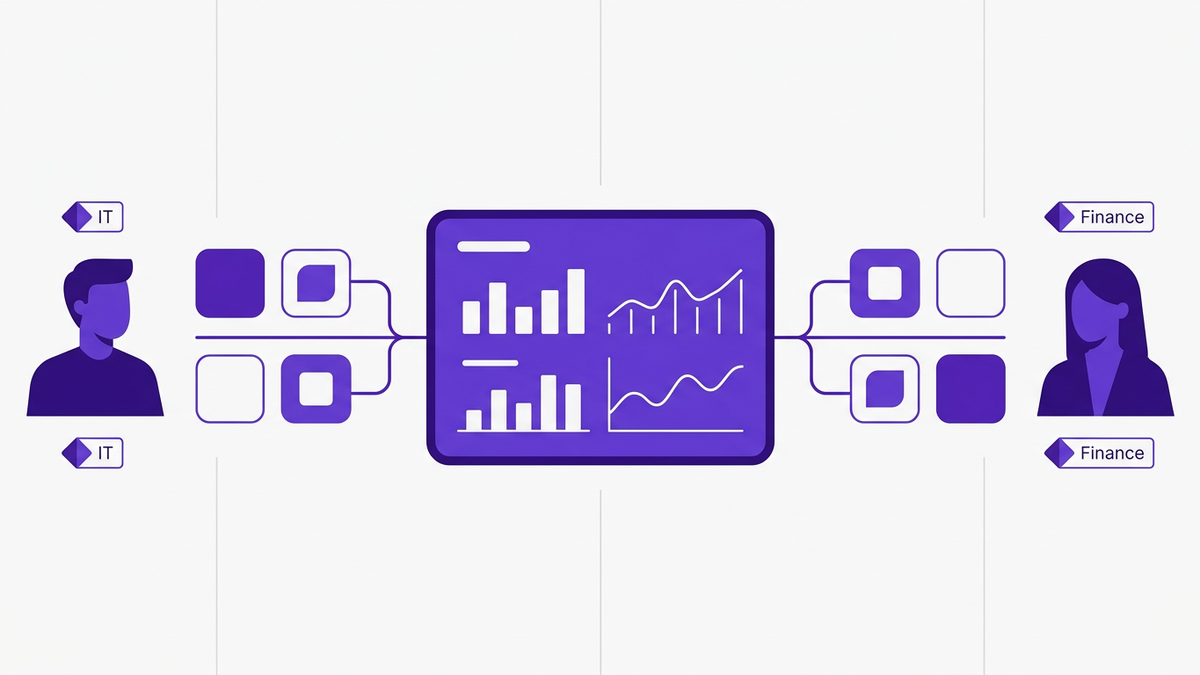
CloudNuro’s Microsoft 365 Custodian provides continuous inventory and telemetry across Microsoft workloads, including Fabric. IT and finance teams gain a single pane of glass for:
This usage visibility closes the gap that many enterprises report, where Fabric licenses proliferate but tracking remains manual or ad hoc.
CloudNuro’s governance, first architecture includes AI, driven SaaS savings capabilities that directly support Microsoft Fabric cost optimization:
Enterprises using advanced automated optimization approaches like this have documented up to 45% renewal value gains in Microsoft ecosystems, as reported in 2026 impact studies.
CloudNuro’s FinOps Services team helps enterprises translate data into action by:
This combination of automation and advisory support is particularly valuable ahead of 2026 pricing shifts, when many contracts will be re, based on new bundles and higher list prices.
For regulated industries, Fabric optimization cannot come at the expense of control. CloudNuro AI Custodian provides:
Public sector and large enterprise customers use these capabilities to support public sector SaaS optimization, multi, cloud FinOps, and stringent audit requirements without sacrificing flexibility for their data teams.
Even with strong intentions, organizations often repeat the same missteps when they start working on Microsoft Fabric cost optimization.
Many IT teams run a single license cleanup to address short, term budget pressure, then move on. Six months later, waste has crept back in.
Counterpoint: Microsoft Fabric optimization must be continuous. User churn, project changes, and new workloads appear every week. Without automation and recurring governance, savings decay quickly.
Some organizations react to big Fabric bills by cutting capacities aggressively or downgrading power users. This can degrade performance and stall analytics initiatives.
More balanced approach: Tie optimization to business outcomes, such as cost per active analytic user or cost per dashboard consumed. Use data to distinguish strategic workloads from experiments, then size and schedule accordingly.
Fabric is often integrated with data sources and downstream tools: data pipelines, BI, collaboration platforms, and line, of, business applications.
If you optimize Fabric in isolation, you may:
A better approach is to include Fabric inside cloud expense consolidation reporting so you see net impact across your digital estate.
IT teams often run Fabric optimization as a purely technical project. Meanwhile, finance manages budgeting and forecasting based on old patterns.
Given that more than half of finance leaders now view IT collaboration as essential for SaaS discipline, this split is unsustainable. Build a shared cost, saving for CIOs and CFOs roadmap for Fabric, with agreed, upon targets and dashboards.
Start by building continuous visibility into Fabric capacities and licenses, then put automated policies in place to right, size resources and reclaim unused licenses. Integrate Fabric into your broader enterprise SaaS spend management process so it is governed alongside other strategic platforms.
Use FinOps automation for recurring tasks such as utilization monitoring, license reclamation, and anomaly detection, and pair it with a cross, functional FinOps committee to oversee policy and exception handling.
High, impact enterprise FinOps strategies for Fabric include capacity right, sizing, usage, based chargeback, automated license reclamation, and renewal, ready analytics. Align license tiers with workload profiles and enforce tagging across all workspaces.
These strategies work best when supported by centralized tools for multi, platform SaaS management and strong governance guardrails.
New Microsoft pricing structures expected in 2026 will increase the baseline cost of certain SKUs and may shift feature bundles. For most enterprises, this will raise Fabric’s share of overall SaaS and analytics spend if usage patterns remain unchanged.
To offset these changes, organizations should prioritize Microsoft Fabric spend analytics, scenario modeling for renewals, and early optimization of underutilized capacities and licenses, ideally 6 to 12 months before contract end dates.
Specialized SaaS management and FinOps platforms, such as CloudNuro, provide automated discovery, license monitoring, and policy, driven optimization for Microsoft ecosystems including Fabric. They centralize cloud usage visibility, highlight underused workloads, and trigger automated license reclamation workflows.
These SaaS cost reduction tools also integrate Fabric usage into broader reporting, so IT and finance teams can see tradeoffs and outcomes across the entire SaaS portfolio.
IT should own the technical controls and usage analysis for Fabric, while Finance sets budget envelopes, defines allocation models, and helps quantify business value. Together, they should agree on KPIs, such as cost per active user and utilization targets, and review them in recurring FinOps forums.
Using a shared platform for SaaS spend benchmarking, renewal planning, and cloud expense consolidation makes this collaboration far more efficient and evidence, based.
Warning signs include rapidly growing Fabric invoices without a clear link to new initiatives, multiple high, tier licenses assigned to users with little activity, and capacities that run at very low utilization for extended periods. Another red flag is the absence of clear ownership for Fabric workspaces and capacities.
If you see these signals, prioritize a Fabric, specific enterprise software audit, followed by implementation of automated monitoring and governance policies.
Microsoft Fabric cost optimization in 2026 is not a nice, to, have; it is a structural requirement for responsible cloud spending. With double, digit SaaS growth and upcoming pricing changes, unmanaged Fabric environments can erode budgets, strain IT, finance relationships, and slow down data initiatives.
The path forward is clear:
CloudNuro helps IT and finance leaders operationalize this approach, unifying Microsoft Fabric cost optimization with broader SaaS management, AI, driven savings, and compliance reporting.
For enterprises ready to bring financial discipline to Microsoft Fabric and beyond, now is the time to act.
CloudNuro is a leader in Enterprise SaaS Management Platforms, providing enterprises with unmatched visibility, governance, and cost optimization. Recognized twice in a row in the SaaS Management Platforms category and named a Leader in the SoftwareReviews Data Quadrant, CloudNuro is trusted by global enterprises and government agencies to bring financial discipline to SaaS, cloud, and AI. Trusted by enterprises such as Konica Minolta and Federal Signal, CloudNuro provides centralized SaaS inventory, license optimization, and renewal management along with advanced cost allocation and chargeback, giving IT and Finance leaders the visibility, control, and cost-conscious culture needed to drive financial discipline. Request a Demo | Get Free Savings | Explore Product
Request a no cost, no obligation free assessment —just 15 minutes to savings!
Get StartedMicrosoft Fabric cost optimization is rapidly becoming a board-level priority as enterprises push more analytics, AI, and data workloads into the platform. Enterprise SaaS expenditures are projected to rise by 18% in 2026, with Microsoft Fabric already taking a growing slice of the cloud budget. At the same time, 76% of IT leaders report heightened pressure to demonstrate measurable cost optimization for Fabric and other core SaaS tools.
For CIOs, CTOs, and finance leaders, this is no longer about trimming a few unused licenses. It is about building a FinOps operating model that treats Microsoft Fabric as a strategic, governed spend category with clear accountability, automation, and continuous optimization.
This 2026 playbook walks through how to do exactly that.
Microsoft Fabric is powerful, but it also concentrates a lot of spend into a single platform: compute, storage, analytics, AI, and collaboration. According to a recent SaaS trends outlook, Fabric now accounts for more than a quarter of total SaaS and cloud analytics spend in many large enterprises.
One market report on 2026 enterprise SaaS spend shows this pattern clearly: Fabric already rivals traditional cloud infrastructure and other enterprise SaaS categories in budget share.
At the same time, most organizations still treat Microsoft Fabric as an isolated line item. Procurement negotiates the contract once per year, IT provisions workspaces per project, and finance tracks costs at a coarse GL level. That approach misses three critical realities:
In other words, Microsoft Fabric cost optimization is no longer a one, time project. It belongs at the core of your enterprise FinOps strategies, with shared KPIs and automation that run every day, not once per quarter.
To bring structure to Microsoft Fabric cost optimization, it helps to use a maturity lens. The 2026 Fabric FinOps Maturity Model has four stages: Discover, Control, Optimize, and Govern.
Think of it like modernizing a factory. First you find where the machines are and what they produce, then you get basic controls in place, then you tune performance, and finally you institutionalize safety and audit.
Most enterprises underestimate how fragmented their Microsoft Fabric usage really is. Different business units spin up workspaces, data engineers provision capacities for pilots, and analytics teams test features that never graduate to production.
Key actions at this stage:
The goal is simple: no blind spots. According to a recent compliance market report, only 22% of enterprises currently have continuous, automated visibility into Microsoft Fabric license usage. Closing that gap is where meaningful Microsoft Fabric cost optimization work starts.
Once you see the footprint, you need to stop the bleeding. This means putting foundational controls around provisioning, assignment, and retirement.
Priority controls include:
At this stage, the focus is to reduce new waste, especially around:
Optimization is about right, sizing SaaS licenses, retiring idle resources, and aligning spend to value.
Optimization activities include:
This is where FinOps automation begins to pay off. A 2026 SaaS optimization study observed that organizations adopting AI, driven license reclamation for tools like Fabric reduced orphaned licenses by roughly one, third after the first optimization cycle.
Finally, governance embeds Microsoft Fabric cost optimization into your operating model so savings persist.
Key elements:
According to a recent enterprise IT report, organizations that reach this stage often achieve up to 45% higher renewal value in Microsoft ecosystems versus peers, because they walk into negotiations with precise, defensible usage data.
With the maturity model in mind, here are six concrete FinOps plays you can run to control Microsoft Fabric costs in 2026.
New pricing structures and workload types in Fabric mean that idle or over, provisioned capacities become very expensive very quickly.
Actions:
A cloud efficiency analysis from 2026 shows many enterprises can reclaim 10 to 20% of capacity spend purely by right, sizing and scheduling.
Static spreadsheets and annual audits are not enough. As one SaaS finance leader noted in 2026, relying on manual audits for platforms like Microsoft Fabric is no longer viable when user churn and role changes are constant.
A stronger pattern is automated license reclamation:
A financial operations report from 2026 showed that organizations implementing automated reclamation across SaaS, including Fabric, saw average savings of 15% or more, often without any impact on user productivity.
Not all workloads belong on the same license tiers. A lot of hidden waste comes from high, end licenses used for simple, low, intensity analytics.
Best practices for Microsoft Fabric licensing best practices in 2026:
This workload, driven approach prevents overbuying and supports right, sizing SaaS licenses as your portfolio evolves.
If you want behavior change, you need chargeback for SaaS usage. Without it, central IT carries the cost while business units drive the consumption.
A pragmatic approach:
Chargeback is not punishment. It is a governance tool that helps business leaders weigh the ROI of Fabric projects against alternative investments.
Fabric should not live in its own reporting silo. It belongs in a broader enterprise SaaS spend management framework that covers Microsoft 365, CRM, collaboration, and other strategic platforms.
Practical steps:
A multi, cloud market insights study in 2026 found that over half of enterprises now require unified visibility across Microsoft environments, major IaaS providers, and other SaaS tools to maintain compliance and optimization.
With 2026 pricing changes and evolving bundles, renewal cycles can swing budgets by millions.
A renewal, ready data room should include:
A large financial services firm documented cutting renewal costs by 44% on Fabric through predictive renewal analytics and tight license optimization, while keeping audits clean and stakeholders satisfied.
A Fortune 500 healthcare enterprise offers a useful illustration of this 2026 playbook in action.
The organization was running hundreds of analytics workloads on Microsoft Fabric, but had little insight into who owned which capacities, which users were active, or which projects were still strategic. Finance saw the total bill climbing 20% year over year, yet there was no unified view of usage.
The company implemented an AI, based FinOps program focused on Fabric and broader SaaS optimization. Key actions:
Within the first year, the healthcare organization:
This mirrors broader trends: a 2026 SaaS benchmarking study reported similar levels of orphaned license reduction following AI, driven optimization across Microsoft environments.
Microsoft Fabric cost optimization works best when it is embedded in your SaaS management architecture. CloudNuro is built to do exactly that, especially for enterprises standardizing on Microsoft ecosystems.
CloudNuro’s Microsoft 365 Custodian provides continuous inventory and telemetry across Microsoft workloads, including Fabric. IT and finance teams gain a single pane of glass for:
This usage visibility closes the gap that many enterprises report, where Fabric licenses proliferate but tracking remains manual or ad hoc.
CloudNuro’s governance, first architecture includes AI, driven SaaS savings capabilities that directly support Microsoft Fabric cost optimization:
Enterprises using advanced automated optimization approaches like this have documented up to 45% renewal value gains in Microsoft ecosystems, as reported in 2026 impact studies.
CloudNuro’s FinOps Services team helps enterprises translate data into action by:
This combination of automation and advisory support is particularly valuable ahead of 2026 pricing shifts, when many contracts will be re, based on new bundles and higher list prices.
For regulated industries, Fabric optimization cannot come at the expense of control. CloudNuro AI Custodian provides:
Public sector and large enterprise customers use these capabilities to support public sector SaaS optimization, multi, cloud FinOps, and stringent audit requirements without sacrificing flexibility for their data teams.
Even with strong intentions, organizations often repeat the same missteps when they start working on Microsoft Fabric cost optimization.
Many IT teams run a single license cleanup to address short, term budget pressure, then move on. Six months later, waste has crept back in.
Counterpoint: Microsoft Fabric optimization must be continuous. User churn, project changes, and new workloads appear every week. Without automation and recurring governance, savings decay quickly.
Some organizations react to big Fabric bills by cutting capacities aggressively or downgrading power users. This can degrade performance and stall analytics initiatives.
More balanced approach: Tie optimization to business outcomes, such as cost per active analytic user or cost per dashboard consumed. Use data to distinguish strategic workloads from experiments, then size and schedule accordingly.
Fabric is often integrated with data sources and downstream tools: data pipelines, BI, collaboration platforms, and line, of, business applications.
If you optimize Fabric in isolation, you may:
A better approach is to include Fabric inside cloud expense consolidation reporting so you see net impact across your digital estate.
IT teams often run Fabric optimization as a purely technical project. Meanwhile, finance manages budgeting and forecasting based on old patterns.
Given that more than half of finance leaders now view IT collaboration as essential for SaaS discipline, this split is unsustainable. Build a shared cost, saving for CIOs and CFOs roadmap for Fabric, with agreed, upon targets and dashboards.
Start by building continuous visibility into Fabric capacities and licenses, then put automated policies in place to right, size resources and reclaim unused licenses. Integrate Fabric into your broader enterprise SaaS spend management process so it is governed alongside other strategic platforms.
Use FinOps automation for recurring tasks such as utilization monitoring, license reclamation, and anomaly detection, and pair it with a cross, functional FinOps committee to oversee policy and exception handling.
High, impact enterprise FinOps strategies for Fabric include capacity right, sizing, usage, based chargeback, automated license reclamation, and renewal, ready analytics. Align license tiers with workload profiles and enforce tagging across all workspaces.
These strategies work best when supported by centralized tools for multi, platform SaaS management and strong governance guardrails.
New Microsoft pricing structures expected in 2026 will increase the baseline cost of certain SKUs and may shift feature bundles. For most enterprises, this will raise Fabric’s share of overall SaaS and analytics spend if usage patterns remain unchanged.
To offset these changes, organizations should prioritize Microsoft Fabric spend analytics, scenario modeling for renewals, and early optimization of underutilized capacities and licenses, ideally 6 to 12 months before contract end dates.
Specialized SaaS management and FinOps platforms, such as CloudNuro, provide automated discovery, license monitoring, and policy, driven optimization for Microsoft ecosystems including Fabric. They centralize cloud usage visibility, highlight underused workloads, and trigger automated license reclamation workflows.
These SaaS cost reduction tools also integrate Fabric usage into broader reporting, so IT and finance teams can see tradeoffs and outcomes across the entire SaaS portfolio.
IT should own the technical controls and usage analysis for Fabric, while Finance sets budget envelopes, defines allocation models, and helps quantify business value. Together, they should agree on KPIs, such as cost per active user and utilization targets, and review them in recurring FinOps forums.
Using a shared platform for SaaS spend benchmarking, renewal planning, and cloud expense consolidation makes this collaboration far more efficient and evidence, based.
Warning signs include rapidly growing Fabric invoices without a clear link to new initiatives, multiple high, tier licenses assigned to users with little activity, and capacities that run at very low utilization for extended periods. Another red flag is the absence of clear ownership for Fabric workspaces and capacities.
If you see these signals, prioritize a Fabric, specific enterprise software audit, followed by implementation of automated monitoring and governance policies.
Microsoft Fabric cost optimization in 2026 is not a nice, to, have; it is a structural requirement for responsible cloud spending. With double, digit SaaS growth and upcoming pricing changes, unmanaged Fabric environments can erode budgets, strain IT, finance relationships, and slow down data initiatives.
The path forward is clear:
CloudNuro helps IT and finance leaders operationalize this approach, unifying Microsoft Fabric cost optimization with broader SaaS management, AI, driven savings, and compliance reporting.
For enterprises ready to bring financial discipline to Microsoft Fabric and beyond, now is the time to act.
CloudNuro is a leader in Enterprise SaaS Management Platforms, providing enterprises with unmatched visibility, governance, and cost optimization. Recognized twice in a row in the SaaS Management Platforms category and named a Leader in the SoftwareReviews Data Quadrant, CloudNuro is trusted by global enterprises and government agencies to bring financial discipline to SaaS, cloud, and AI. Trusted by enterprises such as Konica Minolta and Federal Signal, CloudNuro provides centralized SaaS inventory, license optimization, and renewal management along with advanced cost allocation and chargeback, giving IT and Finance leaders the visibility, control, and cost-conscious culture needed to drive financial discipline. Request a Demo | Get Free Savings | Explore Product
Request a no cost, no obligation free assessment - just 15 minutes to savings!
Get StartedWe're offering complimentary ServiceNow license assessments to only 25 enterprises this quarter who want to unlock immediate savings without disrupting operations.
Get Free AssessmentGet Started




CloudNuro Corp
1755 Park St. Suite 207
Naperville, IL 60563
Phone : +1-630-277-9470
Email: info@cloudnuro.com





.webp)

Recognized Leader in SaaS Management Platforms by Info-Tech SoftwareReviews



.svg)