

Sign Up
Thank you for Submitting!
Artificial intelligence is fundamentally reshaping how modern organizations process information, accelerating decision-making and operational efficiency across the board. Implementing a cohesive Microsoft Fabric enterprise data platform acts as a critical foundation for structuring advanced intelligence workloads. However, as business units independently deploy artificial intelligence tools to accelerate day-to-day operations, executive leadership faces a severe visibility deficit. Secure intelligence requires absolute clarity over the data ecosystem. When left unmanaged, the rush to deploy autonomous agents introduces profound compliance vulnerabilities and escalating software expenditures. Establishing strict governance is no longer just an IT concern; it is a board-level imperative.
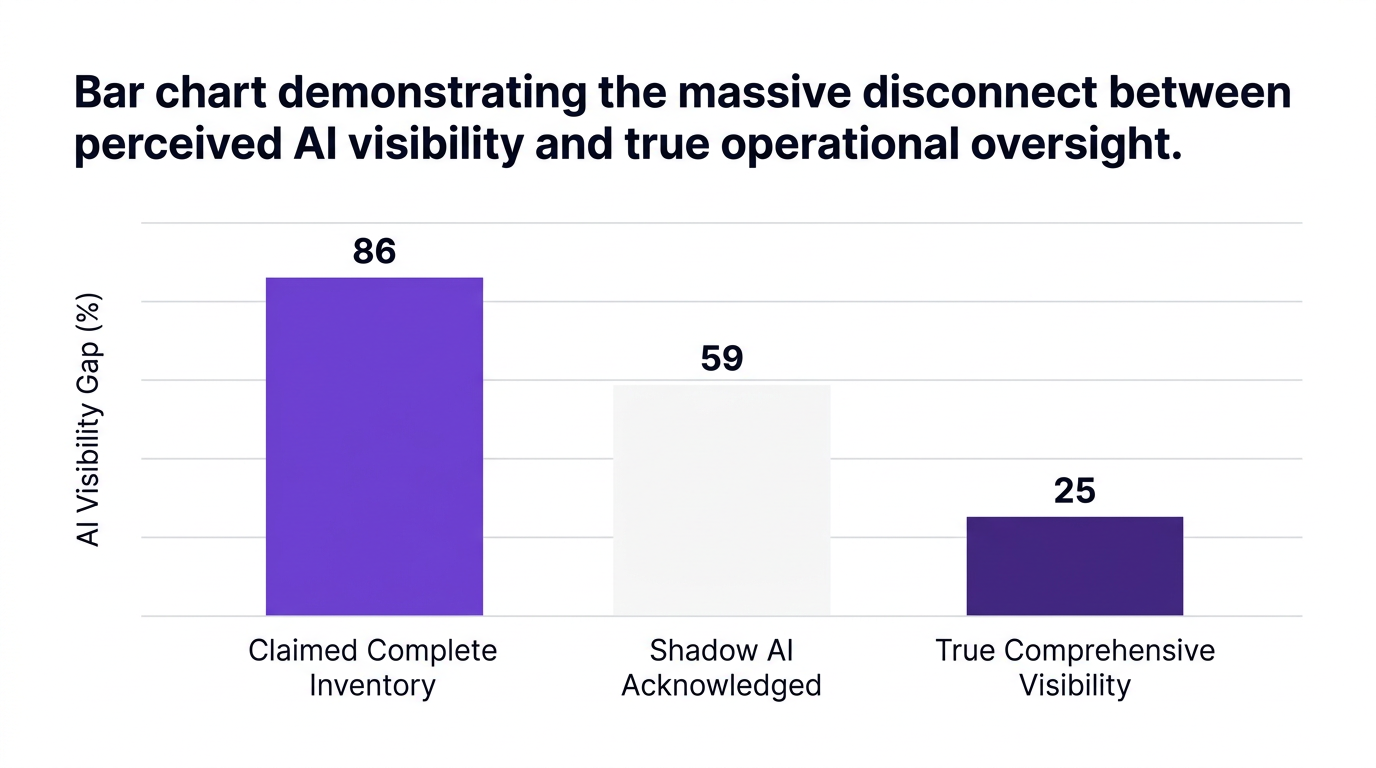
Deploying advanced analytics without an infrastructure to manage data flows creates significant security blind spots. According to 2026 market analysis from ArmorCode, 88% of organizations actively utilize artificial intelligence in at least one core business function. Despite this rapid adoption, executive confidence vastly outweighs operational capability. While 86% of security leaders confidently claim they have a complete AI inventory, independent audits reveal that 59% of these exact environments suffer from pervasive, ungoverned shadow AI (ArmorCode 2026). True operational oversight is even rarer, as only 25% of organizations possess comprehensive visibility into how employees actually use autonomous applications (Optro 2026).
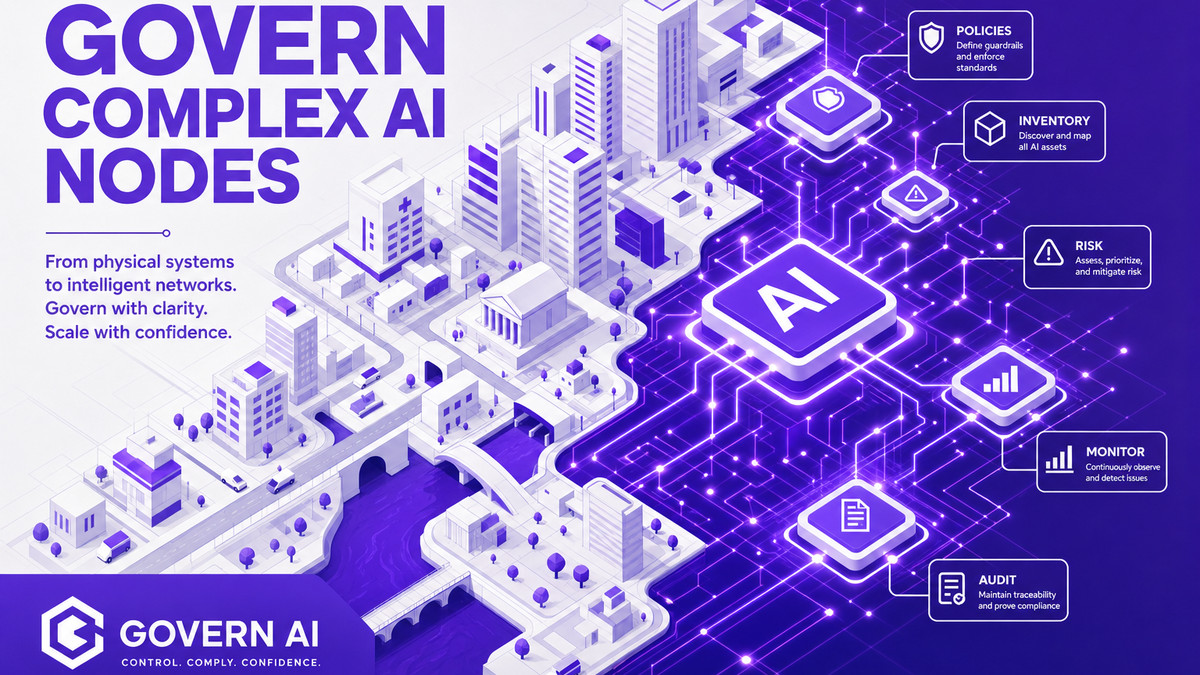
This visibility gap creates substantial vulnerability. The average enterprise operates 3,891 software environments with over 23,021 autonomous applications running completely outside centralized IT visibility (Grip Security 2026). Attempting to govern these modern, autonomous workflows with static legacy frameworks is comparable to navigating a constantly expanding metropolitan city using an outdated paper map. As new pathways, intersections, and localized agents appear by the minute, static perimeters fail to capture the reality on the ground. A comprehensive Microsoft Fabric data governance framework helps map these evolving pathways, providing structured oversight across dispersed applications.
Some technologists argue that imposing strict controls on self-service analytics throttles innovation. Opponents of strict policies often state that prioritizing over-governance vs data agility in SaaS environments will trap organizations in a state of continuous analysis paralysis, thereby halting operational velocity. While agility is paramount, prioritizing speed over security is a dangerous strategy. Relying purely on basic perimeter defenses rapidly leads to the shadow IT and governance trap, leaving organizations vulnerable to enormous regulatory fines and catastrophic intellectual property leaks. Striking the balance between data democratization and risk management remains a paramount goal for IT leadership.
Data exposure through unauthorized intelligence applications has become remarkably common. Currently, 39.7% of all interactions with enterprise artificial intelligence involve sensitive corporate data (Cyberhaven 2026). Employees frequently input classified blueprints, financial projections, and proprietary algorithms into these external tools at an alarming rate. When data passes through unauthorized external models, the resulting exposure is highly damaging. To mitigate these risks, organizations must implement robust Microsoft Fabric data security and access control mechanisms, ensuring that information flows remain observable and protected at rest and in transit.
Establishing a secure baseline requires transitioning from chaotic deployment to governed expansion. A Fortune 100 financial institution recently demonstrated the immense value of centralized oversight. By deploying a comprehensive visibility protocol, the institution uncovered more than 1,000 previously untracked external applications actively processing financial data. By integrating real-time visibility and closing these structural gaps, the organization achieved a 45% reduction in security incidents within a single fiscal year (ArmorCode 2026). This precise outcome highlights the pressing need for policy-based access control for analytics users.
Using Microsoft Fabric for enterprise SaaS management enables executives to consolidate fragmented data architectures smoothly. By integrating solutions like the Microsoft Fabric Power BI integration, teams create highly observable pathways for data consumption. Furthermore, adopting the Microsoft Fabric Zero-Copy Architecture eliminates the need to replicate master databases across distinct regions. This directly supports the CEO’s Guide to Eliminating Costly Data Duplication by removing redundant storage expenditures and ensuring that intelligence analysts pull information from a single, heavily governed truth source. Governing Microsoft Fabric AI and machine learning workloads under a unified policy engine ensures that artificial intelligence only accesses properly sanitized datasets.
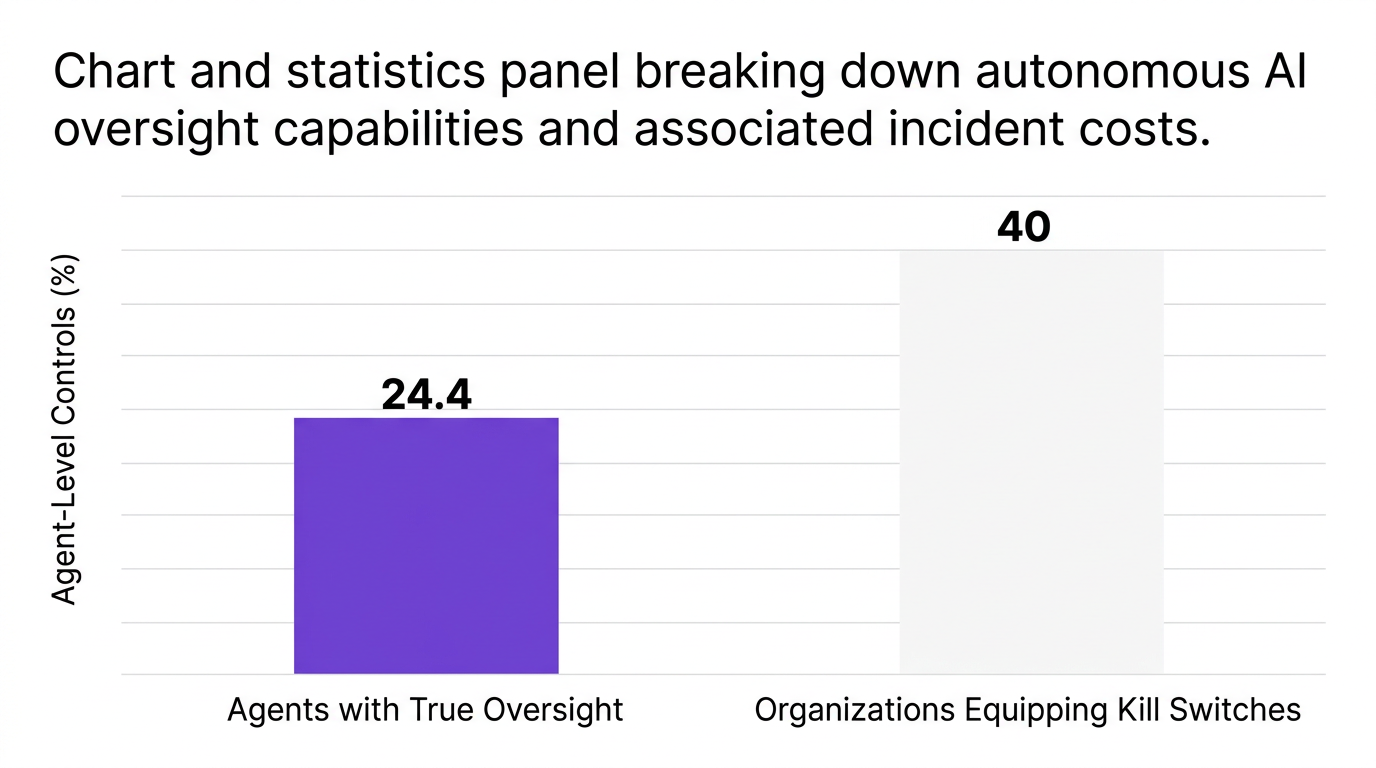
A critical risk in modern architecture is the communication happening seamlessly between autonomous agents without any human oversight. Only 24.4% of organizations possess full visibility into which autonomous agents are interacting with each other on their network (Gravitee 2026). Security incidents involving shadow AI cost an average of $670,000 more than traditional cyber events, creating a massive financial burden for unprotected organizations (Gravitee/Agat 2026).
There is a deeply rooted misconception that localized cloud security features adequately secure multi-tenant SaaS data architecture with Fabric. In reality, basic cloud permissions degrade when confronted with cross-platform agentic communication. A global healthcare provider managed to avoid these pitfalls by establishing rigorous agent-level audit trails and automated kill switches for over 70 autonomous components. Following the implementation of strict network logging, the organization saw AI-related regulatory audit findings drop by 62%, while suspected data leakage incidents plummeted by 37% (Gravitee 2026). Real-time enforcement is mandatory for compliant data sharing across business units.
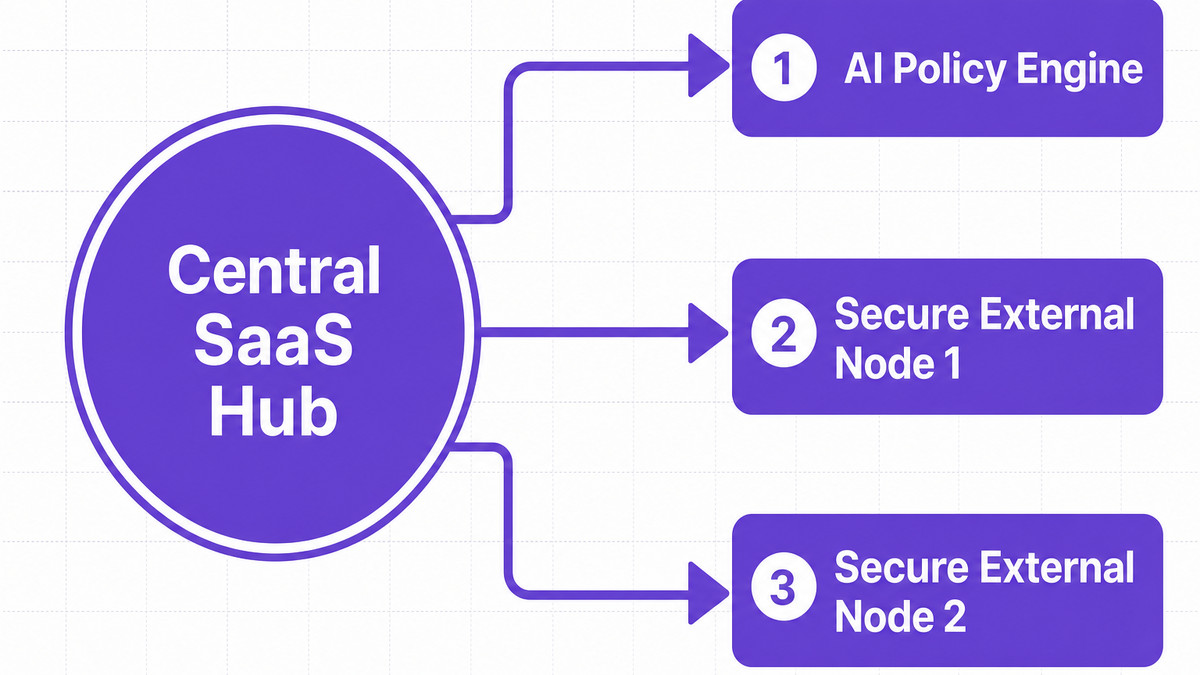
Resolving governance debt in data platforms requires specialized SaaS management technology capable of enforcing rules at machine speed. CloudNuro acts as the centralized nervous system for secure enterprise consumption. By applying automated policy deployments, CloudNuro ensures total visibility and optimization throughout your software landscape.
The CloudNuro AI Custodian offers a sophisticated approach to artificial intelligence oversight. By delivering policy-based access control and identity-centric audit trails, it integrates natively with primary cloud environments to secure all internal and external data communication. Should an unauthorized software protocol attempt a high-risk data exchange, the platform initiates automated remediation protocols like instant isolation or kill switch deployment, ensuring robust data access democratization with role-based security.
Through products like the Microsoft 365 Custodian and Salesforce Custodian, CloudNuro provides unmatched license usage analytics. These modules deliver real-time insight into potential risk factors and stealth tools bypassing primary security gateways. By utilizing robust SaaS management protocols, CFOs and IT leaders can immediately detect and eliminate shadow applications. Additionally, utilizing dedicated FinOps Services equips executives with the board-level dashboards necessary to identify resource underutilization, optimizing financial output while strictly maintaining corporate compliance.
Microsoft Fabric coordinates disparate data sources into a single logical entity. It enforces structured policies across all connected nodes, ensuring that self-service analytics operate inside safe compliance parameters.
Organizations avoid this trap by implementing real-time observability tools and strict identity access management protocols. Establishing clear boundaries prevents operational bottlenecks while maintaining data integrity.
A safe democratization model relies heavily on intelligent access controls. By assigning strict user permissions and securing datasets with zero-copy parameters, companies can share critical business intelligence safely across departments.
A strong self-service model begins by classifying data sensitivity. Combining Microsoft Fabric with intelligent management platforms ensures that departmental analysts operate exclusively within authorized, observable environments.
Aligning GRC frameworks requires deploying an automated oversight engine alongside your primary architecture. Security solutions that offer actionable audit trails ensure artificial intelligence workflows adhere perfectly to regulatory requirements.
Transitioning from reactive defense to proactive oversight is the definitive challenge of managing modern enterprise intelligence. Building an effective enterprise data strategy for SaaS applications demands continuous visibility into every data interaction, both human and machine. Providing end-users with robust capabilities through a highly secure analytical foundation minimizes shadow operations and standardizes software expenditure. Executives seeking to optimize software environments should implement automated, centralized policy gateways to protect critical data flows. To discover actionable cost and risk reductions, explore our free Microsoft Office 365 assessment today.
About CloudNuro
CloudNuro is a leader in Enterprise SaaS Management Platforms, providing enterprises with unmatched visibility, governance, and cost optimization. Recognized twice in a row in the SaaS Management Platforms category and named a Leader in the SoftwareReviews Data Quadrant, CloudNuro is trusted by global enterprises and government agencies to bring financial discipline to SaaS, cloud, and AI. Trusted by enterprises such as Konica Minolta and Federal Signal, CloudNuro provides centralized SaaS inventory, license optimization, and renewal management along with advanced cost allocation and chargeback, giving IT and Finance leaders the visibility, control, and cost-conscious culture needed to drive financial discipline.
Request a no cost, no obligation free assessment —just 15 minutes to savings!
Get StartedArtificial intelligence is fundamentally reshaping how modern organizations process information, accelerating decision-making and operational efficiency across the board. Implementing a cohesive Microsoft Fabric enterprise data platform acts as a critical foundation for structuring advanced intelligence workloads. However, as business units independently deploy artificial intelligence tools to accelerate day-to-day operations, executive leadership faces a severe visibility deficit. Secure intelligence requires absolute clarity over the data ecosystem. When left unmanaged, the rush to deploy autonomous agents introduces profound compliance vulnerabilities and escalating software expenditures. Establishing strict governance is no longer just an IT concern; it is a board-level imperative.
Deploying advanced analytics without an infrastructure to manage data flows creates significant security blind spots. According to 2026 market analysis from ArmorCode, 88% of organizations actively utilize artificial intelligence in at least one core business function. Despite this rapid adoption, executive confidence vastly outweighs operational capability. While 86% of security leaders confidently claim they have a complete AI inventory, independent audits reveal that 59% of these exact environments suffer from pervasive, ungoverned shadow AI (ArmorCode 2026). True operational oversight is even rarer, as only 25% of organizations possess comprehensive visibility into how employees actually use autonomous applications (Optro 2026).
This visibility gap creates substantial vulnerability. The average enterprise operates 3,891 software environments with over 23,021 autonomous applications running completely outside centralized IT visibility (Grip Security 2026). Attempting to govern these modern, autonomous workflows with static legacy frameworks is comparable to navigating a constantly expanding metropolitan city using an outdated paper map. As new pathways, intersections, and localized agents appear by the minute, static perimeters fail to capture the reality on the ground. A comprehensive Microsoft Fabric data governance framework helps map these evolving pathways, providing structured oversight across dispersed applications.
Some technologists argue that imposing strict controls on self-service analytics throttles innovation. Opponents of strict policies often state that prioritizing over-governance vs data agility in SaaS environments will trap organizations in a state of continuous analysis paralysis, thereby halting operational velocity. While agility is paramount, prioritizing speed over security is a dangerous strategy. Relying purely on basic perimeter defenses rapidly leads to the shadow IT and governance trap, leaving organizations vulnerable to enormous regulatory fines and catastrophic intellectual property leaks. Striking the balance between data democratization and risk management remains a paramount goal for IT leadership.
Data exposure through unauthorized intelligence applications has become remarkably common. Currently, 39.7% of all interactions with enterprise artificial intelligence involve sensitive corporate data (Cyberhaven 2026). Employees frequently input classified blueprints, financial projections, and proprietary algorithms into these external tools at an alarming rate. When data passes through unauthorized external models, the resulting exposure is highly damaging. To mitigate these risks, organizations must implement robust Microsoft Fabric data security and access control mechanisms, ensuring that information flows remain observable and protected at rest and in transit.
Establishing a secure baseline requires transitioning from chaotic deployment to governed expansion. A Fortune 100 financial institution recently demonstrated the immense value of centralized oversight. By deploying a comprehensive visibility protocol, the institution uncovered more than 1,000 previously untracked external applications actively processing financial data. By integrating real-time visibility and closing these structural gaps, the organization achieved a 45% reduction in security incidents within a single fiscal year (ArmorCode 2026). This precise outcome highlights the pressing need for policy-based access control for analytics users.
Using Microsoft Fabric for enterprise SaaS management enables executives to consolidate fragmented data architectures smoothly. By integrating solutions like the Microsoft Fabric Power BI integration, teams create highly observable pathways for data consumption. Furthermore, adopting the Microsoft Fabric Zero-Copy Architecture eliminates the need to replicate master databases across distinct regions. This directly supports the CEO’s Guide to Eliminating Costly Data Duplication by removing redundant storage expenditures and ensuring that intelligence analysts pull information from a single, heavily governed truth source. Governing Microsoft Fabric AI and machine learning workloads under a unified policy engine ensures that artificial intelligence only accesses properly sanitized datasets.
A critical risk in modern architecture is the communication happening seamlessly between autonomous agents without any human oversight. Only 24.4% of organizations possess full visibility into which autonomous agents are interacting with each other on their network (Gravitee 2026). Security incidents involving shadow AI cost an average of $670,000 more than traditional cyber events, creating a massive financial burden for unprotected organizations (Gravitee/Agat 2026).
There is a deeply rooted misconception that localized cloud security features adequately secure multi-tenant SaaS data architecture with Fabric. In reality, basic cloud permissions degrade when confronted with cross-platform agentic communication. A global healthcare provider managed to avoid these pitfalls by establishing rigorous agent-level audit trails and automated kill switches for over 70 autonomous components. Following the implementation of strict network logging, the organization saw AI-related regulatory audit findings drop by 62%, while suspected data leakage incidents plummeted by 37% (Gravitee 2026). Real-time enforcement is mandatory for compliant data sharing across business units.
Resolving governance debt in data platforms requires specialized SaaS management technology capable of enforcing rules at machine speed. CloudNuro acts as the centralized nervous system for secure enterprise consumption. By applying automated policy deployments, CloudNuro ensures total visibility and optimization throughout your software landscape.
The CloudNuro AI Custodian offers a sophisticated approach to artificial intelligence oversight. By delivering policy-based access control and identity-centric audit trails, it integrates natively with primary cloud environments to secure all internal and external data communication. Should an unauthorized software protocol attempt a high-risk data exchange, the platform initiates automated remediation protocols like instant isolation or kill switch deployment, ensuring robust data access democratization with role-based security.
Through products like the Microsoft 365 Custodian and Salesforce Custodian, CloudNuro provides unmatched license usage analytics. These modules deliver real-time insight into potential risk factors and stealth tools bypassing primary security gateways. By utilizing robust SaaS management protocols, CFOs and IT leaders can immediately detect and eliminate shadow applications. Additionally, utilizing dedicated FinOps Services equips executives with the board-level dashboards necessary to identify resource underutilization, optimizing financial output while strictly maintaining corporate compliance.
Microsoft Fabric coordinates disparate data sources into a single logical entity. It enforces structured policies across all connected nodes, ensuring that self-service analytics operate inside safe compliance parameters.
Organizations avoid this trap by implementing real-time observability tools and strict identity access management protocols. Establishing clear boundaries prevents operational bottlenecks while maintaining data integrity.
A safe democratization model relies heavily on intelligent access controls. By assigning strict user permissions and securing datasets with zero-copy parameters, companies can share critical business intelligence safely across departments.
A strong self-service model begins by classifying data sensitivity. Combining Microsoft Fabric with intelligent management platforms ensures that departmental analysts operate exclusively within authorized, observable environments.
Aligning GRC frameworks requires deploying an automated oversight engine alongside your primary architecture. Security solutions that offer actionable audit trails ensure artificial intelligence workflows adhere perfectly to regulatory requirements.
Transitioning from reactive defense to proactive oversight is the definitive challenge of managing modern enterprise intelligence. Building an effective enterprise data strategy for SaaS applications demands continuous visibility into every data interaction, both human and machine. Providing end-users with robust capabilities through a highly secure analytical foundation minimizes shadow operations and standardizes software expenditure. Executives seeking to optimize software environments should implement automated, centralized policy gateways to protect critical data flows. To discover actionable cost and risk reductions, explore our free Microsoft Office 365 assessment today.
About CloudNuro
CloudNuro is a leader in Enterprise SaaS Management Platforms, providing enterprises with unmatched visibility, governance, and cost optimization. Recognized twice in a row in the SaaS Management Platforms category and named a Leader in the SoftwareReviews Data Quadrant, CloudNuro is trusted by global enterprises and government agencies to bring financial discipline to SaaS, cloud, and AI. Trusted by enterprises such as Konica Minolta and Federal Signal, CloudNuro provides centralized SaaS inventory, license optimization, and renewal management along with advanced cost allocation and chargeback, giving IT and Finance leaders the visibility, control, and cost-conscious culture needed to drive financial discipline.
Request a no cost, no obligation free assessment - just 15 minutes to savings!
Get StartedWe're offering complimentary ServiceNow license assessments to only 25 enterprises this quarter who want to unlock immediate savings without disrupting operations.
Get Free AssessmentGet Started




CloudNuro Corp
1755 Park St. Suite 207
Naperville, IL 60563
Phone : +1-630-277-9470
Email: info@cloudnuro.com





.webp)

Recognized Leader in SaaS Management Platforms by Info-Tech SoftwareReviews
.png)

.svg)