

Sign Up
Thank you for Submitting!
The growing adoption of AI-powered analytics and workflow automation has propelled Microsoft Fabric Data Agent into mission-critical territory for enterprise IT and finance leaders. Yet, as AI query usage multiplies within Fabric, so does operational complexity, especially around cost attribution, capacity planning, and SaaS governance. For organizations serious about financial discipline and cloud efficiency, understanding exactly what each AI query consumes on your Fabric Data Agent capacity is crucial for preventing wasted spend, avoiding performance bottlenecks, and enforcing true cost optimization.
This guide delivers a deep dive into AI query cost mechanics, the real drivers behind Fabric Data Agent consumption, and actionable steps for monitoring, forecasting, and optimizing costs. Leveraging CloudNuro’s governance-first analytics and automated FinOps Services, you’ll discover how to move from reactive oversight to proactive control, turning Fabric Data Agent from a budgeting blind spot into a lever for enterprise savings.
AI and analytics services in Microsoft Fabric employ a capacity-based billing model. Instead of paying per-query or per-license, all activity (from standard data pipelines to advanced Copilot AI queries) draws on a shared, finite pool of capacity units, billed by tier. This makes workload isolation, visibility, and allocation essential.
Key Consumption Facts:
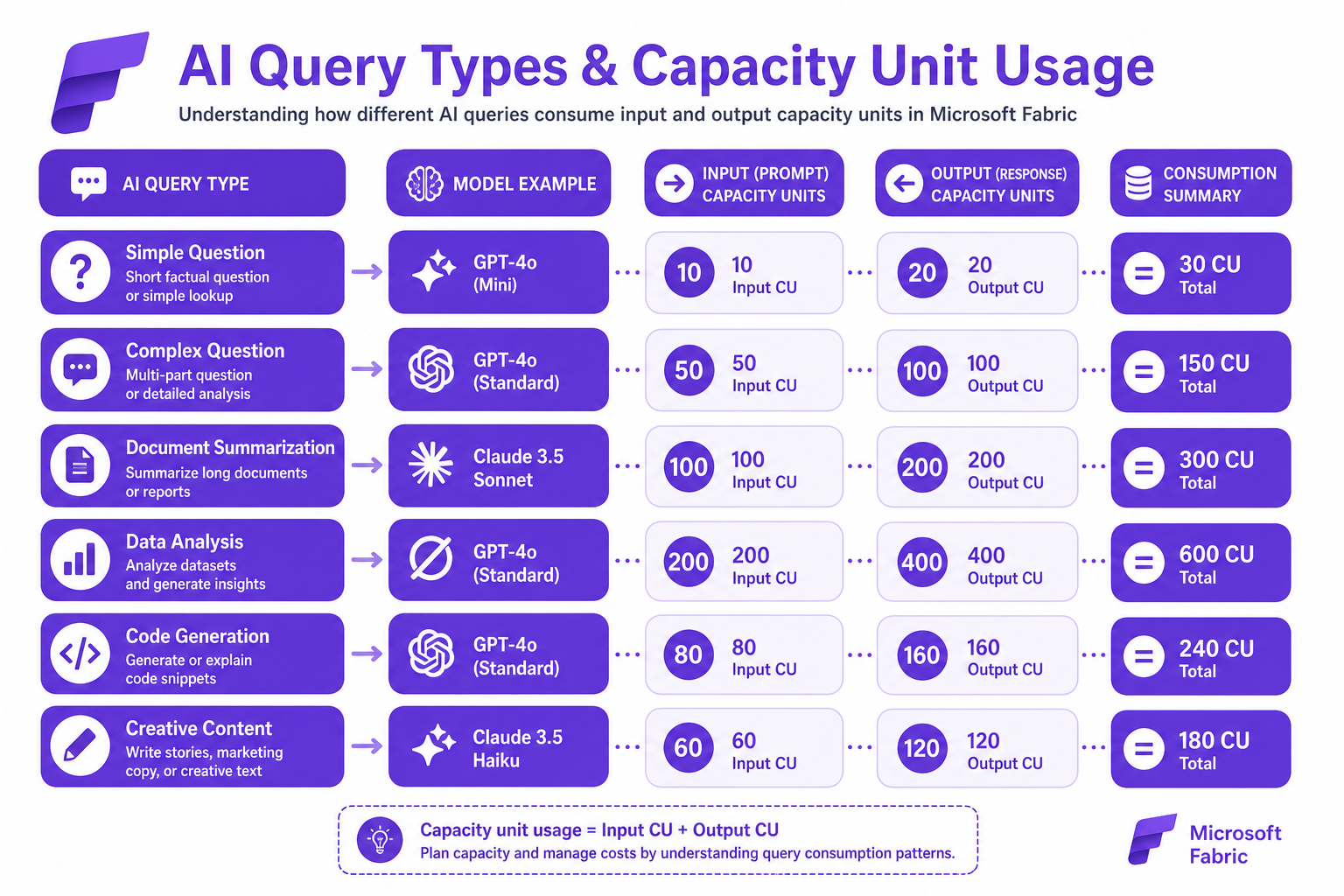
Centralized cloud-hosted AI workloads: Standard operations generate baseline consumption rates of 100 capacity units per 1,000 formatted input tokens, and 400 units per 1,000 output tokens.
Autonomous reasoning agents: These advanced AI models drive up usage dramatically, consuming up to 1,600 capacity units per 1,000 output tokens, especially during complex multistep queries.
Minimum capacity tiers: Even light workloads require at least an F2 tier (costing approximately $263/month pay-as-you-go or $156/month reserved).
This means that even a single poorly scoped or highly iterative AI query can quickly push your environment into higher cost thresholds, especially once autoscale or bursting comes into play at a 23% to 37% premium to reserved rates.
Entry-level AI model: Consumes 8.4 capacity unit seconds per 1,000 input tokens and 67.23 per 1,000 output tokens.
Advanced models: Can require up to 42.02 (input) and 336.13 (output) capacity unit seconds per 1,000 tokens.
While Microsoft Fabric’s agent model provides elasticity, it also introduces hidden risks for cost overrun, especially when usage is opaque.
Core Drivers:
Query Type Complexity: Autonomous reasoning agents and conversational Copilot workloads loop through costlier multi-step instructions, causing 10% to 20% higher sustained utilization.
Concurrency and Multi-Agent Loads: Simultaneous workloads may demand tier upgrades to avoid throttling and business intelligence delays.
Operational Overhead: Autoscale and bursting for unexpected surges add significant premium costs.
Idle or Overprovisioned Capacity: Up to 40% of enterprises over-provision due to guesswork or lack of actionable visibility.
Data warehouse price-per-query efficiencies have improved by 71% over legacy models, but only for organizations surgically mapping consumption and rightsizing tiers proactively.
Raw cost control isn’t possible without deep, near real-time insight into both agent-level and enterprise-level consumption. Traditional spreadsheet forecasting and manual license tracking inevitably fall short.
Modern Capacity Management Includes:
Agent-Level Cost Analytics: Fabric and CloudNuro’s AI Governance dashboards display token-by-token breakdowns, usage graphs, and real-time cost attribution for every agent, user, or department.
Granular Telemetry & Alerts: Automated monitoring flags underutilized capacity, misuse, or consumption spikes.
Chargeback & Showback: By mapping Data Agent usage to individual budgets and projects, departments can be held accountable, curbing shadow IT overruns.
Case in point: One global financial institution using a unified Cloud Custodian model saw a 25% reduction in idle capacity and $2.1M in cost avoidance in its first year.
CloudNuro’s FinOps platform goes far beyond passive dashboarding, delivering not just insights but automated actions:
Cloud Commitments Optimization Engine: Ingests real utilization telemetry, flags overprovisioned tiers, and automatically rightsizes down to the most cost-effective capacity level.
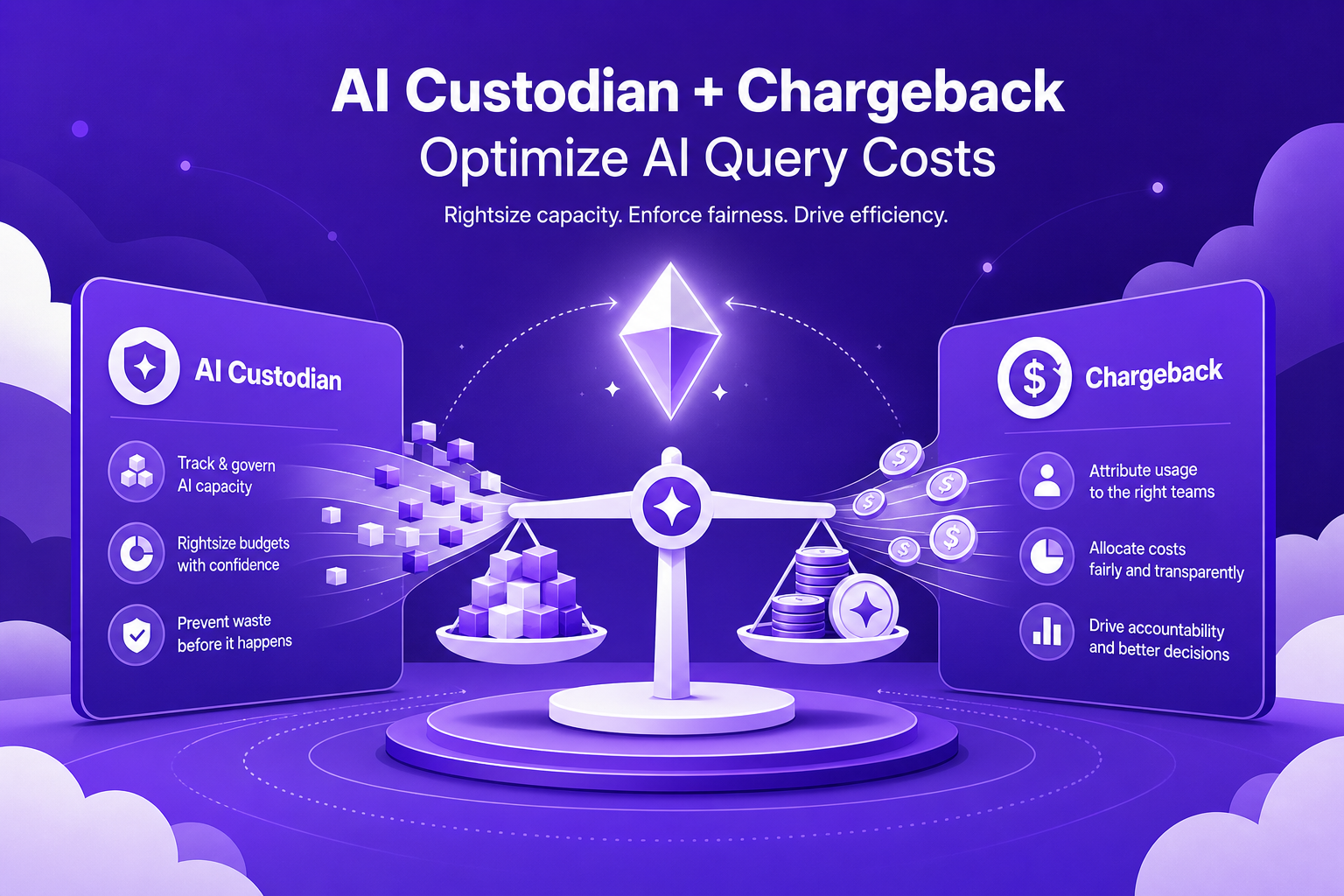
AI Custodian Module: Enforces policy controls and lets IT set granular budget limits for projects or individual agents, instantly preventing surprise overruns and throttling.
Automated Chargeback: Strict mapping of agent consumption to budget centers ensures that every AI query is accountable, with chargeback automations across departments.
Comprehensive Inventory: Centralizes SaaS and Fabric inventory, license status, renewal cycles, and spend, all under one interface for IT, finance, and governance teams.
In real-world deployments, CloudNuro customers have achieved 36% reduction in penalty overage costs, 45% drop in unused compute capacity, and up to 52% savings through optimized tiering.
For practical usage, CloudNuro’s AI Custodian provides not just tracking, but active spend risk alerts and policy lockouts, so rogue AI agent surges never dent your budget again.
Achieving true cost discipline takes both the right tools and consistent processes.
Recommendations:
Baseline Reference Loads: Run initial 30-day discovery windows using standardized computational limits to set benchmarks.
Fine-Grained Telemetry: Continuously monitor usage down to agent, query, and project, no more black boxes.
Automated Tier Rightsizing: Use tools that auto-adjust capacity commitments and burst only when ROI-positive.
Separation & Accountability: Map agent usage with automated chargeback to departments and business units for transparency.
Budget Guardrails: Set policy-based limits at agent and project level for proactive cost control.
Regular Policy Reviews: Keep governance, reporting, and usage policies in sync with evolving business needs.
Enterprises who follow these practices see concrete, auditable spend reductions and far fewer performance impacts or emergency reallocations.
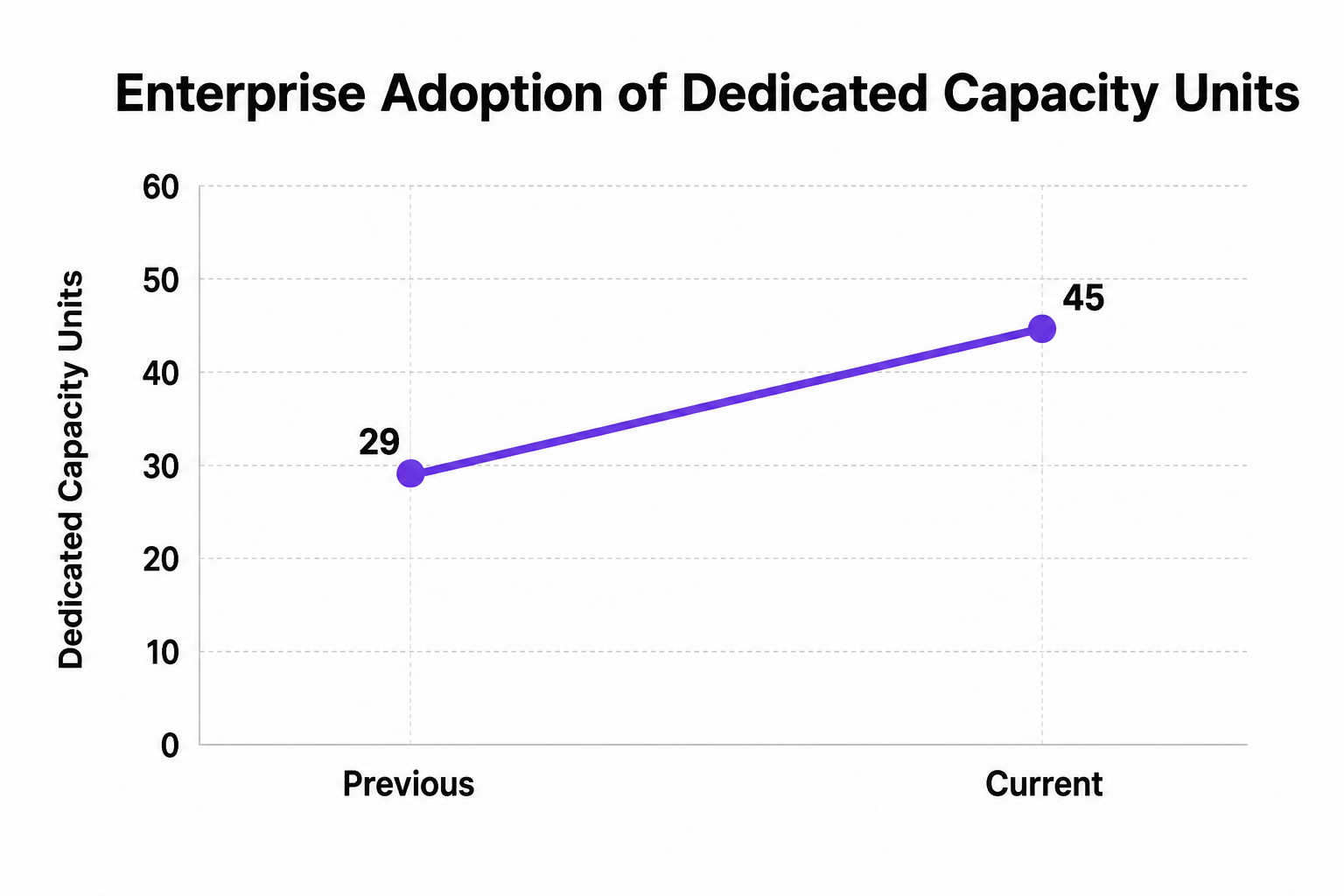
The enterprise market is rapidly shifting from generic compute pools to dedicated capacity units and named billing operations. This brings:
Greater pricing transparency and tighter budget predictability.
Explicit consumption metering for AI functions, as opposed to being hidden in bulk metrics.
Dynamic pricing and rapid efficiency gains driven by workload-specific optimizations.
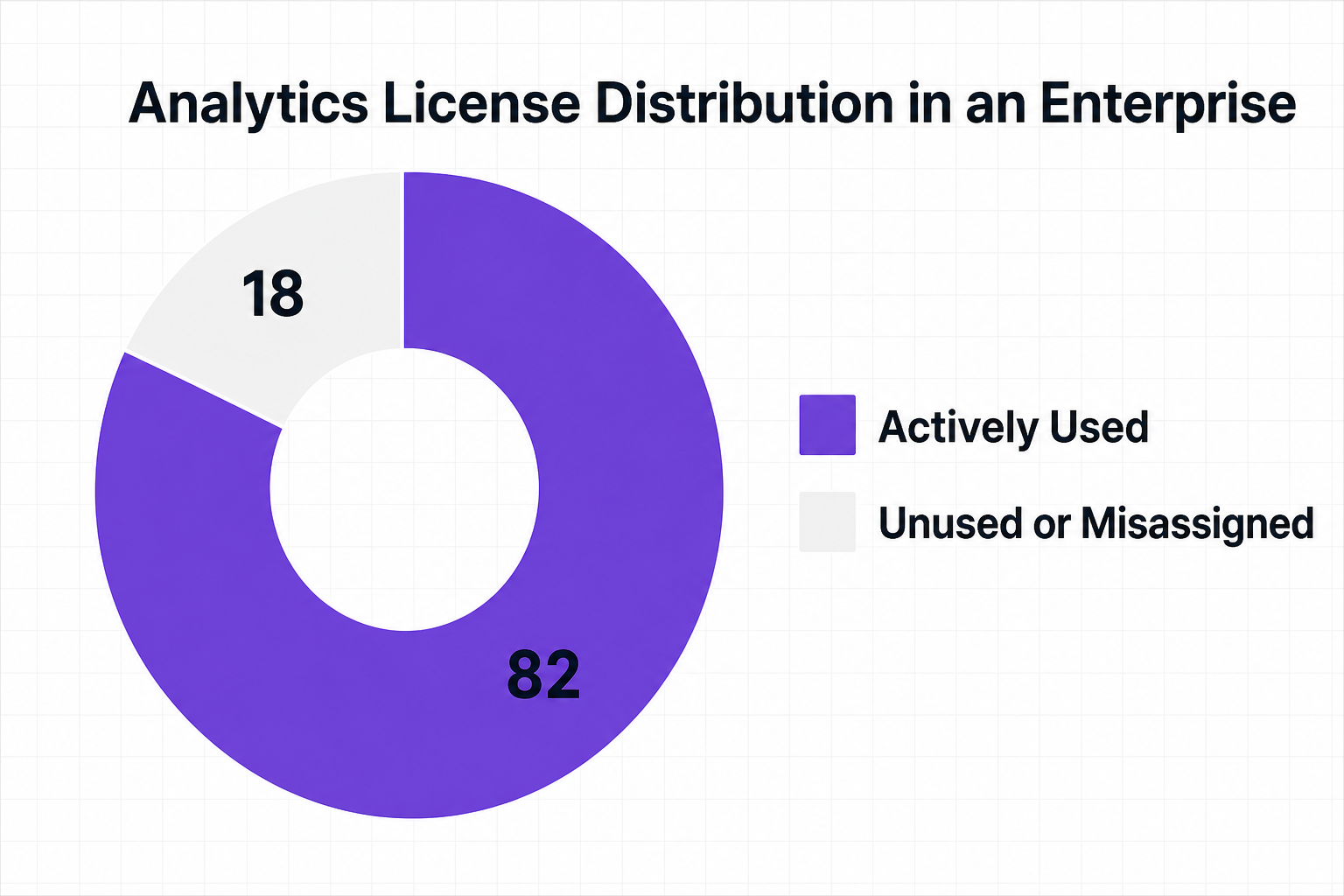
With tiered pricing models, cost efficiency for AI-powered data workloads is forecast to accelerate, but only for organizations equipped with end-to-end SaaS AI analytics, granular monitoring, and proactive optimization.
What is the cost of using Microsoft Fabric Data Agent for AI queries?
Fabric Data Agent capacity is billed by consumption in capacity units. Costs range from approximately $156/month (reserved F2 tier) to $268,000/month (2048 unit tier). Workloads with complex queries or sustained concurrency drive costs higher, especially if autoscale premium pricing is triggered.
How does query type impact Fabric Data Agent capacity consumption?
Simple queries and baseline AI models use relatively few capacity units per token, while advanced models and autonomous reasoning agents may use up to 1,600 units per 1,000 output tokens. Complex, multistep queries drive up sustained utilization.
What factors drive up Fabric Copilot and Data Agent costs in Microsoft Fabric?
Primary drivers include query complexity, number of concurrent users, reliance on autoscale for demand spikes, and underutilized or overprovisioned capacity. Lack of real-time insight or workload allocation can lead to unnecessary cost overruns.
How can organizations monitor and control AI query costs in Fabric?
Use agent-level dashboards, automated monitoring and alerting, and strict mapping of usage to budgets. Solutions like CloudNuro provide granular telemetry and automation to resize, reallocate, and enforce policy-based spend guardrails.
What are best practices to optimize Fabric Data Agent cost and usage?
Baseline your workloads, monitor continuously, automate capacity tier rightsizing, map usage for departmental accountability, and set policy-driven budget limits at the project and agent levels.
For organizations committed to AI-driven innovation, duty-bound cost governance, and growth, Fabric Data Agent represents both an opportunity and a risk. By understanding the real cost mechanics of every AI query, mapping usage with CloudNuro, and automating optimization across every agent and project, IT and finance leaders can ensure Fabric Data Agent is always a source of business value, not unpleasant fiscal surprises.
Take control of your data agent spend today and put enterprise-grade AI visibility, governance, and optimization at the heart of your strategy.
About CloudNuro
CloudNuro is a leader in Enterprise AI Adoption Management, providing enterprises with unmatched visibility, governance, and cost optimization. Recognized twice in a row in the SaaS Management Platforms category and named a Leader in the SoftwareReviews Data Quadrant, CloudNuro is trusted by global enterprises and government agencies to bring financial discipline to SaaS, cloud, and AI. Trusted by enterprises, CloudNuro provides centralized SaaS inventory, license optimization, and renewal management along with advanced cost allocation and chargeback, giving IT and Finance leaders the visibility, control, and cost-conscious culture needed to drive financial discipline.
Request a no cost, no obligation free assessment —just 15 minutes to savings!
Get StartedThe growing adoption of AI-powered analytics and workflow automation has propelled Microsoft Fabric Data Agent into mission-critical territory for enterprise IT and finance leaders. Yet, as AI query usage multiplies within Fabric, so does operational complexity, especially around cost attribution, capacity planning, and SaaS governance. For organizations serious about financial discipline and cloud efficiency, understanding exactly what each AI query consumes on your Fabric Data Agent capacity is crucial for preventing wasted spend, avoiding performance bottlenecks, and enforcing true cost optimization.
This guide delivers a deep dive into AI query cost mechanics, the real drivers behind Fabric Data Agent consumption, and actionable steps for monitoring, forecasting, and optimizing costs. Leveraging CloudNuro’s governance-first analytics and automated FinOps Services, you’ll discover how to move from reactive oversight to proactive control, turning Fabric Data Agent from a budgeting blind spot into a lever for enterprise savings.
AI and analytics services in Microsoft Fabric employ a capacity-based billing model. Instead of paying per-query or per-license, all activity (from standard data pipelines to advanced Copilot AI queries) draws on a shared, finite pool of capacity units, billed by tier. This makes workload isolation, visibility, and allocation essential.
Key Consumption Facts:
Centralized cloud-hosted AI workloads: Standard operations generate baseline consumption rates of 100 capacity units per 1,000 formatted input tokens, and 400 units per 1,000 output tokens.
Autonomous reasoning agents: These advanced AI models drive up usage dramatically, consuming up to 1,600 capacity units per 1,000 output tokens, especially during complex multistep queries.
Minimum capacity tiers: Even light workloads require at least an F2 tier (costing approximately $263/month pay-as-you-go or $156/month reserved).
This means that even a single poorly scoped or highly iterative AI query can quickly push your environment into higher cost thresholds, especially once autoscale or bursting comes into play at a 23% to 37% premium to reserved rates.
Entry-level AI model: Consumes 8.4 capacity unit seconds per 1,000 input tokens and 67.23 per 1,000 output tokens.
Advanced models: Can require up to 42.02 (input) and 336.13 (output) capacity unit seconds per 1,000 tokens.
While Microsoft Fabric’s agent model provides elasticity, it also introduces hidden risks for cost overrun, especially when usage is opaque.
Core Drivers:
Query Type Complexity: Autonomous reasoning agents and conversational Copilot workloads loop through costlier multi-step instructions, causing 10% to 20% higher sustained utilization.
Concurrency and Multi-Agent Loads: Simultaneous workloads may demand tier upgrades to avoid throttling and business intelligence delays.
Operational Overhead: Autoscale and bursting for unexpected surges add significant premium costs.
Idle or Overprovisioned Capacity: Up to 40% of enterprises over-provision due to guesswork or lack of actionable visibility.
Data warehouse price-per-query efficiencies have improved by 71% over legacy models, but only for organizations surgically mapping consumption and rightsizing tiers proactively.
Raw cost control isn’t possible without deep, near real-time insight into both agent-level and enterprise-level consumption. Traditional spreadsheet forecasting and manual license tracking inevitably fall short.
Modern Capacity Management Includes:
Agent-Level Cost Analytics: Fabric and CloudNuro’s AI Governance dashboards display token-by-token breakdowns, usage graphs, and real-time cost attribution for every agent, user, or department.
Granular Telemetry & Alerts: Automated monitoring flags underutilized capacity, misuse, or consumption spikes.
Chargeback & Showback: By mapping Data Agent usage to individual budgets and projects, departments can be held accountable, curbing shadow IT overruns.
Case in point: One global financial institution using a unified Cloud Custodian model saw a 25% reduction in idle capacity and $2.1M in cost avoidance in its first year.
CloudNuro’s FinOps platform goes far beyond passive dashboarding, delivering not just insights but automated actions:
Cloud Commitments Optimization Engine: Ingests real utilization telemetry, flags overprovisioned tiers, and automatically rightsizes down to the most cost-effective capacity level.
AI Custodian Module: Enforces policy controls and lets IT set granular budget limits for projects or individual agents, instantly preventing surprise overruns and throttling.
Automated Chargeback: Strict mapping of agent consumption to budget centers ensures that every AI query is accountable, with chargeback automations across departments.
Comprehensive Inventory: Centralizes SaaS and Fabric inventory, license status, renewal cycles, and spend, all under one interface for IT, finance, and governance teams.
In real-world deployments, CloudNuro customers have achieved 36% reduction in penalty overage costs, 45% drop in unused compute capacity, and up to 52% savings through optimized tiering.
For practical usage, CloudNuro’s AI Custodian provides not just tracking, but active spend risk alerts and policy lockouts, so rogue AI agent surges never dent your budget again.
Achieving true cost discipline takes both the right tools and consistent processes.
Recommendations:
Baseline Reference Loads: Run initial 30-day discovery windows using standardized computational limits to set benchmarks.
Fine-Grained Telemetry: Continuously monitor usage down to agent, query, and project, no more black boxes.
Automated Tier Rightsizing: Use tools that auto-adjust capacity commitments and burst only when ROI-positive.
Separation & Accountability: Map agent usage with automated chargeback to departments and business units for transparency.
Budget Guardrails: Set policy-based limits at agent and project level for proactive cost control.
Regular Policy Reviews: Keep governance, reporting, and usage policies in sync with evolving business needs.
Enterprises who follow these practices see concrete, auditable spend reductions and far fewer performance impacts or emergency reallocations.
The enterprise market is rapidly shifting from generic compute pools to dedicated capacity units and named billing operations. This brings:
Greater pricing transparency and tighter budget predictability.
Explicit consumption metering for AI functions, as opposed to being hidden in bulk metrics.
Dynamic pricing and rapid efficiency gains driven by workload-specific optimizations.
With tiered pricing models, cost efficiency for AI-powered data workloads is forecast to accelerate, but only for organizations equipped with end-to-end SaaS AI analytics, granular monitoring, and proactive optimization.
What is the cost of using Microsoft Fabric Data Agent for AI queries?
Fabric Data Agent capacity is billed by consumption in capacity units. Costs range from approximately $156/month (reserved F2 tier) to $268,000/month (2048 unit tier). Workloads with complex queries or sustained concurrency drive costs higher, especially if autoscale premium pricing is triggered.
How does query type impact Fabric Data Agent capacity consumption?
Simple queries and baseline AI models use relatively few capacity units per token, while advanced models and autonomous reasoning agents may use up to 1,600 units per 1,000 output tokens. Complex, multistep queries drive up sustained utilization.
What factors drive up Fabric Copilot and Data Agent costs in Microsoft Fabric?
Primary drivers include query complexity, number of concurrent users, reliance on autoscale for demand spikes, and underutilized or overprovisioned capacity. Lack of real-time insight or workload allocation can lead to unnecessary cost overruns.
How can organizations monitor and control AI query costs in Fabric?
Use agent-level dashboards, automated monitoring and alerting, and strict mapping of usage to budgets. Solutions like CloudNuro provide granular telemetry and automation to resize, reallocate, and enforce policy-based spend guardrails.
What are best practices to optimize Fabric Data Agent cost and usage?
Baseline your workloads, monitor continuously, automate capacity tier rightsizing, map usage for departmental accountability, and set policy-driven budget limits at the project and agent levels.
For organizations committed to AI-driven innovation, duty-bound cost governance, and growth, Fabric Data Agent represents both an opportunity and a risk. By understanding the real cost mechanics of every AI query, mapping usage with CloudNuro, and automating optimization across every agent and project, IT and finance leaders can ensure Fabric Data Agent is always a source of business value, not unpleasant fiscal surprises.
Take control of your data agent spend today and put enterprise-grade AI visibility, governance, and optimization at the heart of your strategy.
About CloudNuro
CloudNuro is a leader in Enterprise AI Adoption Management, providing enterprises with unmatched visibility, governance, and cost optimization. Recognized twice in a row in the SaaS Management Platforms category and named a Leader in the SoftwareReviews Data Quadrant, CloudNuro is trusted by global enterprises and government agencies to bring financial discipline to SaaS, cloud, and AI. Trusted by enterprises, CloudNuro provides centralized SaaS inventory, license optimization, and renewal management along with advanced cost allocation and chargeback, giving IT and Finance leaders the visibility, control, and cost-conscious culture needed to drive financial discipline.
Request a no cost, no obligation free assessment - just 15 minutes to savings!
Get StartedWe're offering complimentary ServiceNow license assessments to only 25 enterprises this quarter who want to unlock immediate savings without disrupting operations.
Get Free AssessmentGet Started




CloudNuro Corp
1755 Park St. Suite 207
Naperville, IL 60563
Phone : +1-630-277-9470
Email: info@cloudnuro.com





.webp)

Recognized Leader in SaaS Management Platforms by Info-Tech SoftwareReviews


.svg)