
How Much Does Power BI License Actually Cost in 2026? (Pro, PPU, Premium, and Fabric)

Originally Published:
August 11, 2026
Last Updated:
August 11, 2026
9 min

Enterprise adoption of Power BI continues to accelerate in 2026, with analytics leaders needing clarity on true licensing costs as Microsoft’s offerings (Pro, Premium Per User, Premium Capacity, and the emerging Fabric model) grow more complex and expensive. With recent price hikes and evolving capacity options, CIOs and financial leaders face mounting pressure to balance analytics access against the need for cost discipline. This in-depth guide breaks down the latest Power BI license prices, explains key differences across tiers, and reveals actionable steps for cost-optimized, governance-first licensing, powered by CloudNuro’s FinOps expertise.
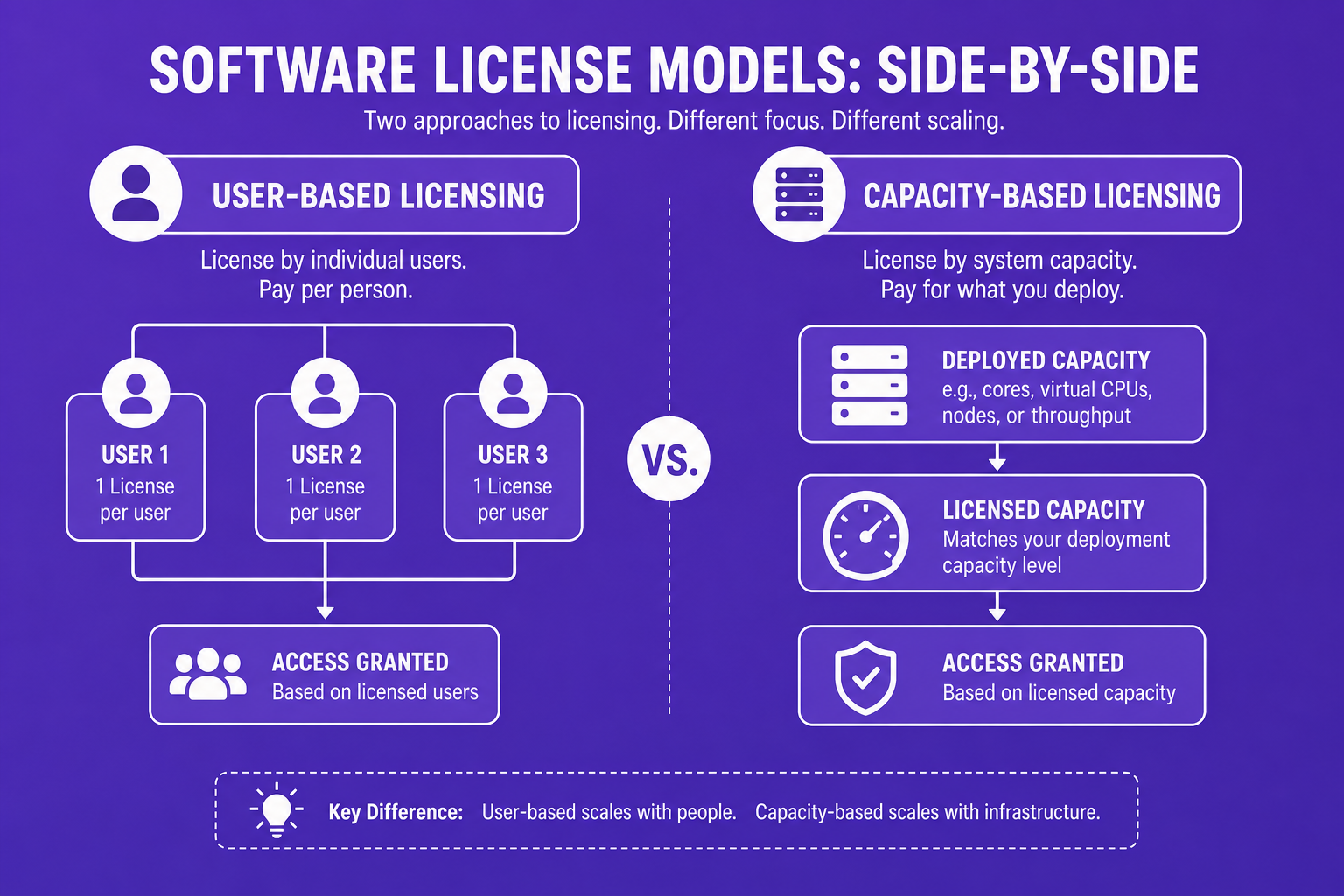
Labeled diagram comparing user-based and capacity-based licensing models.

1. Power BI License Types Explained: Pro, PPU, Premium, and Fabric

Microsoft’s Power BI ecosystem spans multiple licensing paths, each aligned to different scale, feature, and sharing needs:

  • Power BI Pro: For individual analysts and basic content sharing with other Pro users. Required for collaboration and publishing.
  • Power BI Premium Per User (PPU): Unlocks premium features, including advanced dataflows and AI, at a per-user price point. Allows sharing premium content with other PPU users.
  • Power BI Premium Capacity: Designed for high-scale enterprise workloads with dedicated resources and scalable performance; enables sharing content with free viewers when requirements are met.
  • Microsoft Fabric: The evolution of Premium, offering unified analytics and capacity-based pricing under the 'Fabric' platform. Delivers advanced AI and big data features, and allows seamless scaling.

Understanding how license models support (or limit) user access, AI features, and report sharing is the first step in right-sizing for 2026.

2. Power BI Pricing in 2026: The Updated Price Sheet

Pricing clarity is essential for IT budgeting and governance. Here is the 2026 price snapshot based on list pricing and reported market trends:

License Type List Price (2026) Key Capabilities
Power BI Pro $14/user/month Full authoring, share within licensed users
Premium Per User (PPU) $24/user/month Premium features, AI, advanced sharing
Fabric Capacity Tier F2 ~$262/month Unified analytics, AI, scale to thousands

Enterprise agreements typically provide notable discounts, bringing Pro licenses to $8.50 to $9.00 per user and PPU licenses to $15 to $17 per user per month. Recognizing these real-world prices is critical for accurate financial planning.
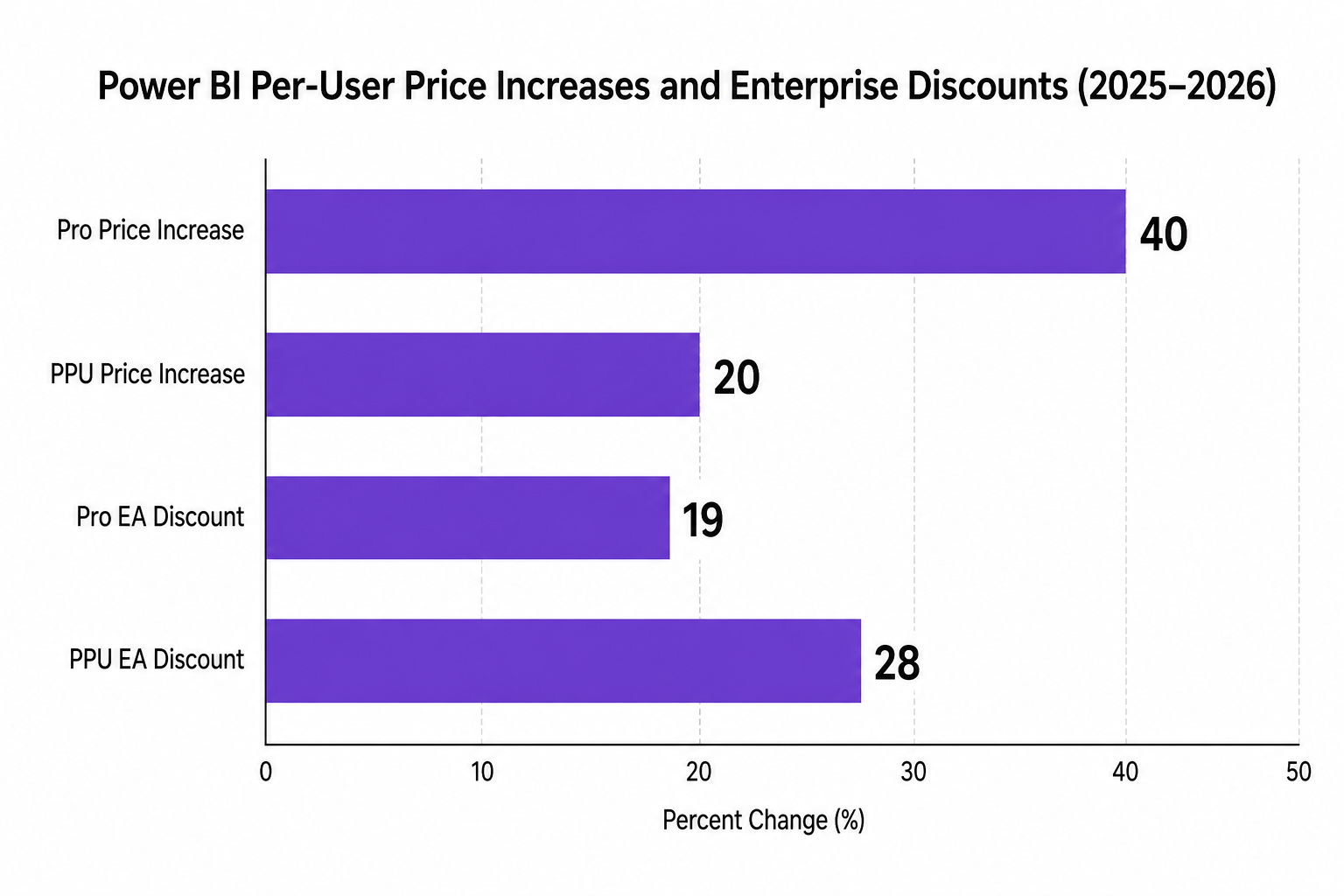
Horizontal bar chart showing Power BI Per-User Price Increases and Enterprise Discounts for 2025 to 2026.

3. How Microsoft Fabric Is Changing the Licensing Landscape

Fabric represents a major shift in how organizations license and scale Power BI:

  • Capacity-based licensing is now the primary route for organizations seeking to serve large numbers of report viewers or support heavy workloads at predictable cost.
  • Lower-tier Fabric (like F2) is now the entry point, with scalable options as needs grow.
  • Critical threshold: F64 capacity allows free viewers access to premium content, a pivot point for organizations considering the jump from per-user to capacity licensing.
  • Legacy Premium entry points are being retired as Microsoft redirects growth to Fabric capacities.

Key Takeaway: Modeling your viewer and author mix, then forecasting growth, is vital for determining the smartest license mix and migration timing.

4. Factors Affecting Power BI License Pricing for Enterprises

Power BI costs go beyond list prices:

  • Feature Utilization: Many organizations overpay for premium features that a minority actually use. Deep usage analytics is necessary to avoid waste.
  • Viewer vs. Author Ratios: Per-user licensing becomes inefficient at scale. Model how many of your users truly require authoring; for high-volume viewing, capacity models (Fabric) become more cost-effective.
  • Bundling with Microsoft 365: Users with E5 or similar suites may already have embedded rights, but mismatches between assignment and actual usage are common.
  • Renewal Cycles and Negotiation: Multi-year enterprise agreements may shield or expose organizations to price hikes, but can enable substantial discounts when usage and waste are well-documented.

CloudNuro’s AI-driven analytics uncover these factors for precise license optimization.

5. How to Optimize Power BI Licensing Costs in 2026

Licensing waste is rampant among enterprises with Power BI. A governance-first approach prevents overspend and unlocks the value of your investment.

  • Monitor Actual Usage, Not Just Assignments: The Microsoft 365 Custodian platform from CloudNuro goes deeper than Microsoft’s admin center, mapping real consumption across Power BI, Purview, Defender, and other apps, all in one dashboard.
  • Identify Dormant and Expensive Licenses: Quickly reclaim Pro and Premium licenses assigned to users who are inactive, on leave, or never logged in. Right-size users with E5 or Premium licenses who only need E3/F3 or Pro, minimizing costs without impacting productivity.
  • Leverage AI Forecasting for Capacity Needs: Arya AI models historical trends to predict future license and capacity needs. This enables proactive budget forecasting and smooth transitions to scalable Fabric tiers.
  • Implement Financial Accountability: Use showback and chargeback tools to allocate Power BI costs by department, region, or project, fostering a culture of cost-conscious analytics.
  • Automate Policy-Driven Optimization: Empower IT and finance to set policies that automatically reclaim or reallocate licenses as needs change.

Proof in Numbers:

  • A large healthcare provider reclaimed 7,000+ unused licenses, saving $2.3M annually with CloudNuro automation.
  • Government agencies using policy automation achieved a 19% reduction in overspend.
  • Typical enterprise CloudNuro users achieve an 18% reduction in Power BI and SaaS licensing costs.

6. CloudNuro: Solving Power BI Cost and Governance at Scale

Enterprises trust CloudNuro for a holistic approach to SaaS and analytics license management:
  • Automated, analytics-driven cost optimization for Microsoft 365 and Power BI
  • Governance-embedded workflows for compliance, transparency, and audit-readiness
  • Complete SaaS and cloud inventory with clear, actionable spend insights
  • Enterprise-grade chargeback integration to align IT with business finance
  • Seamless connection with 400+ leading apps and cloud platforms, aggregating entitlements across your digital estate
  • Future-ready AI guidance that keeps licensing aligned with organizational growth and complexity
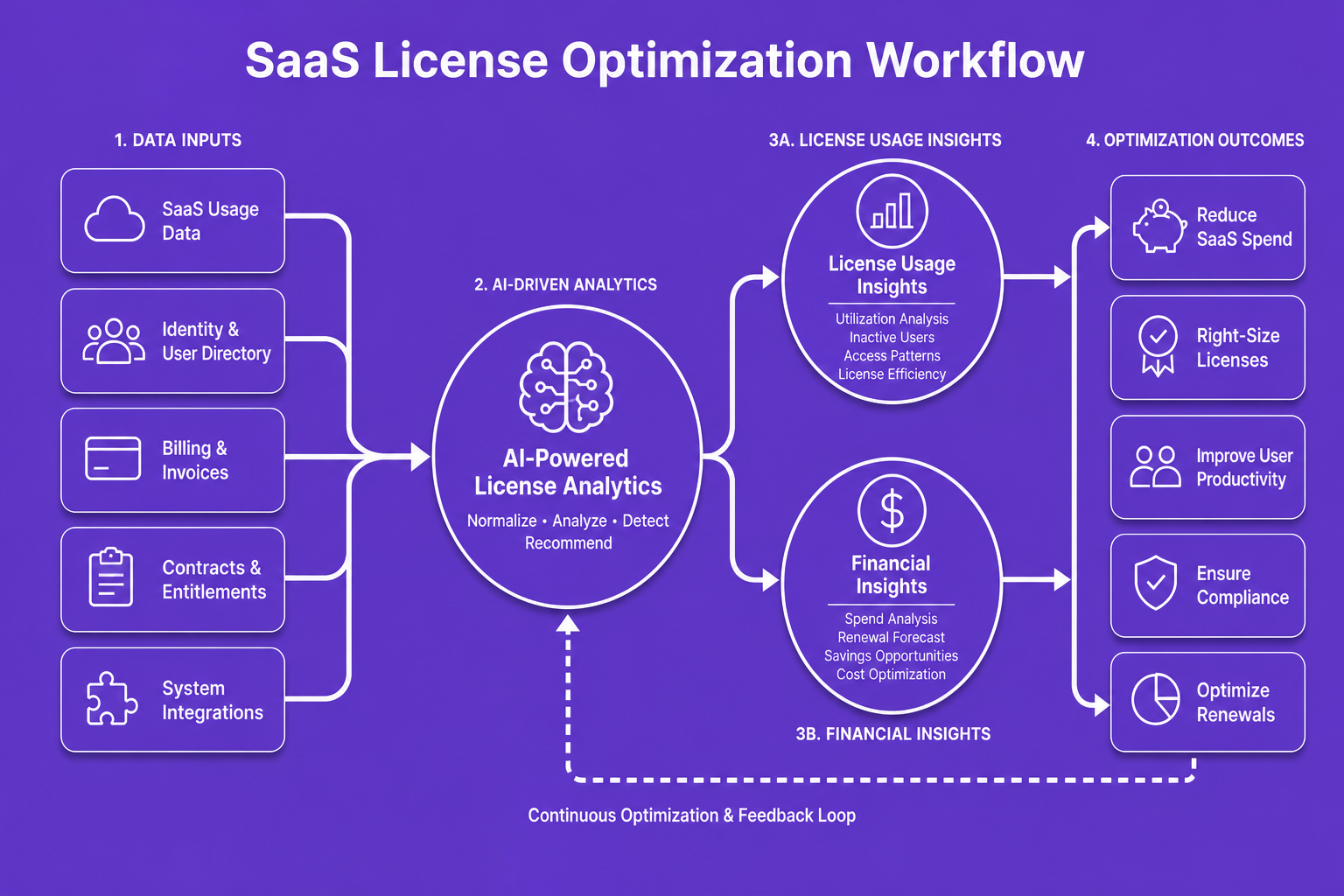
Diagram depicting a SaaS license optimization workflow branching into usage and financial insights.

Explore more:

Frequently Asked Questions

What is the cost of Power BI Pro license in 2026?

The list price for Power BI Pro is $14 per user per month in 2026. Enterprise agreements may secure rates in the $8.50 to $9.00 range per user.

How does Power BI Premium differ from Premium Per User (PPU)?

Premium provides organization-wide capacity and allows sharing with free viewers above the F64 threshold. PPU enables access to most premium features at a per-user price, but sharing premium content is limited to other licensed users.

What factors affect Power BI license pricing?

Key drivers include user mix (authors vs. viewers), real feature usage, bundling with Microsoft 365, growth in analytics workloads, and enterprise discount negotiations. Automated analytics and policy controls are critical to minimize waste.

Is Power BI Fabric included in any license tier?

Fabric is available via capacity-based subscriptions. It is not bundled into user-based Pro or PPU licenses, but may be included in specific Microsoft enterprise agreements with appropriate capacity assignments.

How can enterprises optimize Power BI licensing costs?

Track actual adoption, detect and eliminate dormant or underutilized licenses, right-size entitlements according to user needs, leverage capacity pricing when reaching viewer scale thresholds, and use platforms like CloudNuro for continuous policy-driven optimization.

Conclusion: Achieve Power BI Cost Discipline and Governance in 2026

Licensing for Power BI, including the transition to Fabric, has never been more complex or costly. Without deep visibility and intelligent automation, enterprises are vulnerable to hidden waste and runaway spend. CloudNuro provides the data-driven control and financial governance IT and finance leaders need: precise usage analytics, license right-sizing, policy-driven optimization, and full accountability. Bring order to your Power BI and SaaS investments and unlock the value of analytics, minus the overspend.


About CloudNuro
CloudNuro is a leader in Enterprise AI Adoption Management, providing enterprises with unmatched visibility, governance, and cost optimization. Recognized twice in a row in the SaaS Management Platforms category and named a Leader in the SoftwareReviews Data Quadrant, CloudNuro is trusted by global enterprises and government agencies to bring financial discipline to SaaS, cloud, and AI. Trusted by enterprises, CloudNuro provides centralized SaaS inventory, license optimization, and renewal management along with advanced cost allocation and chargeback, giving IT and Finance leaders the visibility, control, and cost-conscious culture needed to drive financial discipline. Request a Demo | Get Free Savings | Explore Product

Table of Content

Start saving with CloudNuro

Request a no cost, no obligation free assessment —just 15 minutes to savings!

Get Started

Table of Contents

Enterprise adoption of Power BI continues to accelerate in 2026, with analytics leaders needing clarity on true licensing costs as Microsoft’s offerings (Pro, Premium Per User, Premium Capacity, and the emerging Fabric model) grow more complex and expensive. With recent price hikes and evolving capacity options, CIOs and financial leaders face mounting pressure to balance analytics access against the need for cost discipline. This in-depth guide breaks down the latest Power BI license prices, explains key differences across tiers, and reveals actionable steps for cost-optimized, governance-first licensing, powered by CloudNuro’s FinOps expertise.

Labeled diagram comparing user-based and capacity-based licensing models.

1. Power BI License Types Explained: Pro, PPU, Premium, and Fabric

Microsoft’s Power BI ecosystem spans multiple licensing paths, each aligned to different scale, feature, and sharing needs:

  • Power BI Pro: For individual analysts and basic content sharing with other Pro users. Required for collaboration and publishing.
  • Power BI Premium Per User (PPU): Unlocks premium features, including advanced dataflows and AI, at a per-user price point. Allows sharing premium content with other PPU users.
  • Power BI Premium Capacity: Designed for high-scale enterprise workloads with dedicated resources and scalable performance; enables sharing content with free viewers when requirements are met.
  • Microsoft Fabric: The evolution of Premium, offering unified analytics and capacity-based pricing under the 'Fabric' platform. Delivers advanced AI and big data features, and allows seamless scaling.

Understanding how license models support (or limit) user access, AI features, and report sharing is the first step in right-sizing for 2026.

2. Power BI Pricing in 2026: The Updated Price Sheet

Pricing clarity is essential for IT budgeting and governance. Here is the 2026 price snapshot based on list pricing and reported market trends:

License Type List Price (2026) Key Capabilities
Power BI Pro $14/user/month Full authoring, share within licensed users
Premium Per User (PPU) $24/user/month Premium features, AI, advanced sharing
Fabric Capacity Tier F2 ~$262/month Unified analytics, AI, scale to thousands

Enterprise agreements typically provide notable discounts, bringing Pro licenses to $8.50 to $9.00 per user and PPU licenses to $15 to $17 per user per month. Recognizing these real-world prices is critical for accurate financial planning.

Horizontal bar chart showing Power BI Per-User Price Increases and Enterprise Discounts for 2025 to 2026.

3. How Microsoft Fabric Is Changing the Licensing Landscape

Fabric represents a major shift in how organizations license and scale Power BI:

  • Capacity-based licensing is now the primary route for organizations seeking to serve large numbers of report viewers or support heavy workloads at predictable cost.
  • Lower-tier Fabric (like F2) is now the entry point, with scalable options as needs grow.
  • Critical threshold: F64 capacity allows free viewers access to premium content, a pivot point for organizations considering the jump from per-user to capacity licensing.
  • Legacy Premium entry points are being retired as Microsoft redirects growth to Fabric capacities.

Key Takeaway: Modeling your viewer and author mix, then forecasting growth, is vital for determining the smartest license mix and migration timing.

4. Factors Affecting Power BI License Pricing for Enterprises

Power BI costs go beyond list prices:

  • Feature Utilization: Many organizations overpay for premium features that a minority actually use. Deep usage analytics is necessary to avoid waste.
  • Viewer vs. Author Ratios: Per-user licensing becomes inefficient at scale. Model how many of your users truly require authoring; for high-volume viewing, capacity models (Fabric) become more cost-effective.
  • Bundling with Microsoft 365: Users with E5 or similar suites may already have embedded rights, but mismatches between assignment and actual usage are common.
  • Renewal Cycles and Negotiation: Multi-year enterprise agreements may shield or expose organizations to price hikes, but can enable substantial discounts when usage and waste are well-documented.

CloudNuro’s AI-driven analytics uncover these factors for precise license optimization.

5. How to Optimize Power BI Licensing Costs in 2026

Licensing waste is rampant among enterprises with Power BI. A governance-first approach prevents overspend and unlocks the value of your investment.

  • Monitor Actual Usage, Not Just Assignments: The Microsoft 365 Custodian platform from CloudNuro goes deeper than Microsoft’s admin center, mapping real consumption across Power BI, Purview, Defender, and other apps, all in one dashboard.
  • Identify Dormant and Expensive Licenses: Quickly reclaim Pro and Premium licenses assigned to users who are inactive, on leave, or never logged in. Right-size users with E5 or Premium licenses who only need E3/F3 or Pro, minimizing costs without impacting productivity.
  • Leverage AI Forecasting for Capacity Needs: Arya AI models historical trends to predict future license and capacity needs. This enables proactive budget forecasting and smooth transitions to scalable Fabric tiers.
  • Implement Financial Accountability: Use showback and chargeback tools to allocate Power BI costs by department, region, or project, fostering a culture of cost-conscious analytics.
  • Automate Policy-Driven Optimization: Empower IT and finance to set policies that automatically reclaim or reallocate licenses as needs change.

Proof in Numbers:

  • A large healthcare provider reclaimed 7,000+ unused licenses, saving $2.3M annually with CloudNuro automation.
  • Government agencies using policy automation achieved a 19% reduction in overspend.
  • Typical enterprise CloudNuro users achieve an 18% reduction in Power BI and SaaS licensing costs.

6. CloudNuro: Solving Power BI Cost and Governance at Scale

Enterprises trust CloudNuro for a holistic approach to SaaS and analytics license management:

  • Automated, analytics-driven cost optimization for Microsoft 365 and Power BI
  • Governance-embedded workflows for compliance, transparency, and audit-readiness
  • Complete SaaS and cloud inventory with clear, actionable spend insights
  • Enterprise-grade chargeback integration to align IT with business finance
  • Seamless connection with 400+ leading apps and cloud platforms, aggregating entitlements across your digital estate
  • Future-ready AI guidance that keeps licensing aligned with organizational growth and complexity
Diagram depicting a SaaS license optimization workflow branching into usage and financial insights.

Explore more:

Frequently Asked Questions

What is the cost of Power BI Pro license in 2026?

The list price for Power BI Pro is $14 per user per month in 2026. Enterprise agreements may secure rates in the $8.50 to $9.00 range per user.

How does Power BI Premium differ from Premium Per User (PPU)?

Premium provides organization-wide capacity and allows sharing with free viewers above the F64 threshold. PPU enables access to most premium features at a per-user price, but sharing premium content is limited to other licensed users.

What factors affect Power BI license pricing?

Key drivers include user mix (authors vs. viewers), real feature usage, bundling with Microsoft 365, growth in analytics workloads, and enterprise discount negotiations. Automated analytics and policy controls are critical to minimize waste.

Is Power BI Fabric included in any license tier?

Fabric is available via capacity-based subscriptions. It is not bundled into user-based Pro or PPU licenses, but may be included in specific Microsoft enterprise agreements with appropriate capacity assignments.

How can enterprises optimize Power BI licensing costs?

Track actual adoption, detect and eliminate dormant or underutilized licenses, right-size entitlements according to user needs, leverage capacity pricing when reaching viewer scale thresholds, and use platforms like CloudNuro for continuous policy-driven optimization.

Conclusion: Achieve Power BI Cost Discipline and Governance in 2026

Licensing for Power BI, including the transition to Fabric, has never been more complex or costly. Without deep visibility and intelligent automation, enterprises are vulnerable to hidden waste and runaway spend. CloudNuro provides the data-driven control and financial governance IT and finance leaders need: precise usage analytics, license right-sizing, policy-driven optimization, and full accountability. Bring order to your Power BI and SaaS investments and unlock the value of analytics, minus the overspend.


About CloudNuro
CloudNuro is a leader in Enterprise AI Adoption Management, providing enterprises with unmatched visibility, governance, and cost optimization. Recognized twice in a row in the SaaS Management Platforms category and named a Leader in the SoftwareReviews Data Quadrant, CloudNuro is trusted by global enterprises and government agencies to bring financial discipline to SaaS, cloud, and AI. Trusted by enterprises, CloudNuro provides centralized SaaS inventory, license optimization, and renewal management along with advanced cost allocation and chargeback, giving IT and Finance leaders the visibility, control, and cost-conscious culture needed to drive financial discipline. Request a Demo | Get Free Savings | Explore Product

Start saving with CloudNuro

Request a no cost, no obligation free assessment - just 15 minutes to savings!

Get Started

Don't Let Hidden ServiceNow Costs Drain Your IT Budget - Claim Your Free

We're offering complimentary ServiceNow license assessments to only 25 enterprises this quarter who want to unlock immediate savings without disrupting operations.

Get Free AssessmentGet Started


Ask AI for a Summary of This Blog

Save 20% of your SaaS spends with CloudNuro.ai

Recognized Leader in SaaS Management Platforms by Info-Tech SoftwareReviews

Thank you! Your submission has been received!
Oops! Something went wrong while submitting the form.